
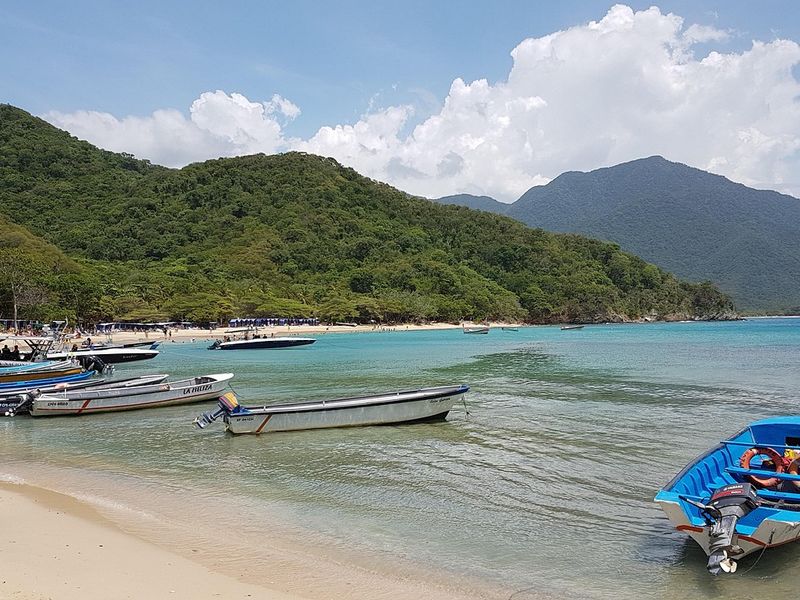
Hotels around Santa Marta
Tap the map for prices and availability.
About Santa Marta
Santa Marta is the capital of the Magdalena department on Colombia's Caribbean coast. Its Pride march, the Marcha del Orgullo, is now part of a wider event called the Festival del Orgullo Diverso Santa Marta, or Fodisa. The festival is run by the Corporación Diversa del Magdalena, a local LGBTIQ+ organization, together with the city's gender identities roundtable, the cultural office of the Universidad del Magdalena and several public institutions.
The festival runs through June. Besides the march there are cultural and social activities where performers from the community get a stage, and the organizers frame it as a push for inclusion, equality and peaceful coexistence in the district. One recent motto was "No es solo Orgullo, sino contar nuestra historia", roughly "It's not just pride, it's telling our story". The march itself goes through the city's main streets on or around 28 June.
The city government takes part as well. In earlier years the district marked 28 June with its own commemoration, organized with LGBTI groups, and the larger march with cultural and educational events followed in July. According to the district, Santa Marta was the first city in Colombia to adopt a public policy for LGBTI people along with an institutional route for protecting their rights.
Regional press has reported more than a thousand participants from across the Magdalena department at the marches and art actions. That is smaller than Pride in Bogotá, Medellín or Cali, but it is a visible event for the region. If you are in town in June, the Corporación Diversa del Magdalena usually announces dates and meeting points on its own channels shortly before.
Nearby Prides
From the magazine
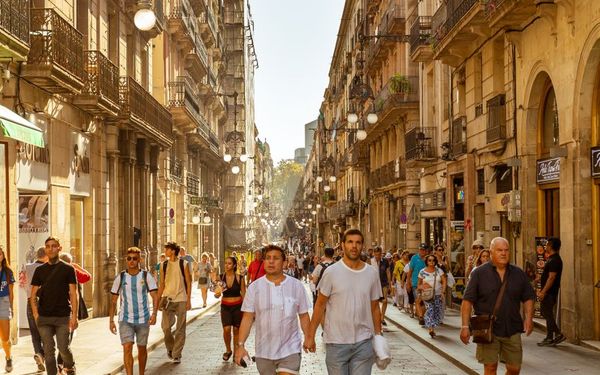
Barcelona 1977: Spain's First Pride March on La Rambla
On 26 June 1977, several thousand people marched without permission up La Rambla in Barcelona and demanded the end of a law that criminalised homosexuality. What happened and what came of it.
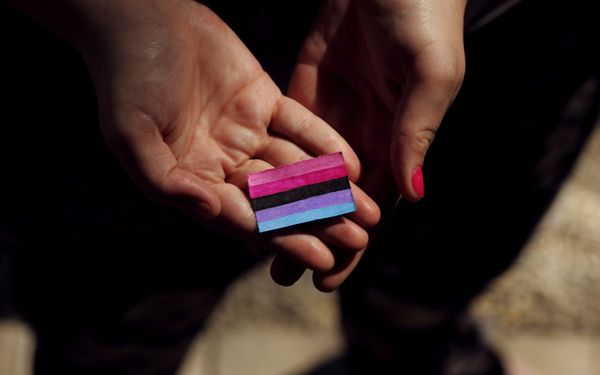
Bi Visibility Day and the Bi Flag: Where They Come From and What They Mean
23 September is Bi Visibility Day. Who started it, what the pink, purple and blue flag stands for, and how you can make bisexual people visible at Pride and in everyday life.
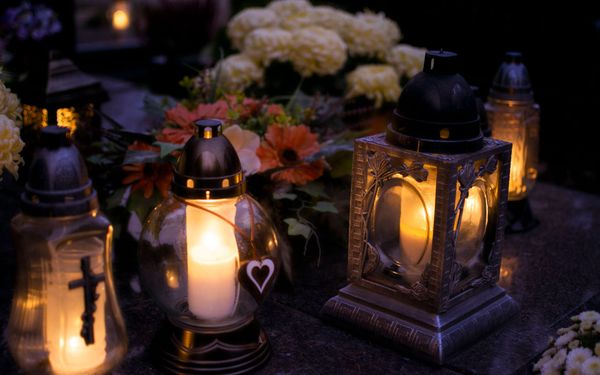
Transgender Day of Remembrance: Where It Comes From and How to Take Part
Every year around 20 November, vigils remember trans people who were killed. The origin of the day, the latest Trans Murder Monitoring figures and practical ways to take part (as of October 2026).