
Hotels around Havanna
Tap the map for prices and availability.
About Havana
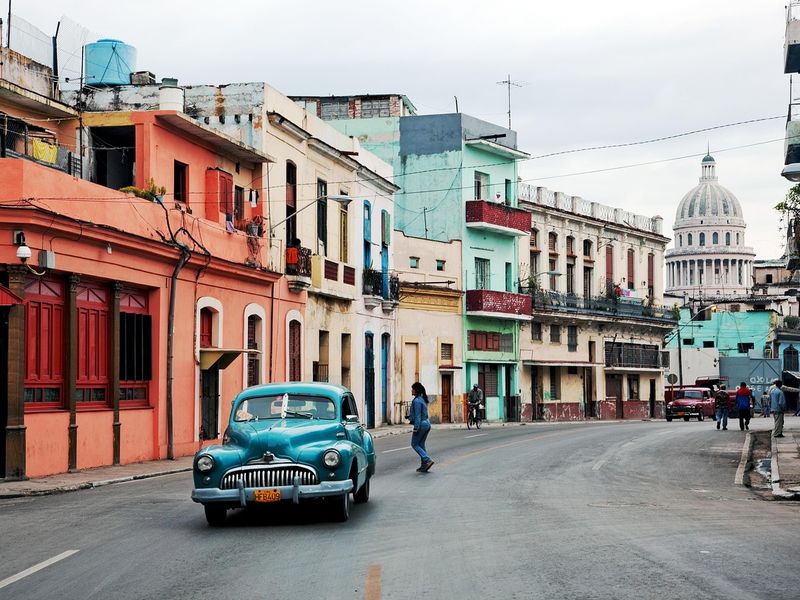
Havana's Pride events represent a vibrant milestone for Cuba's LGBTQ+ community, showcasing resilience and progress through colorful parades that wind through the historic old town. Organized by the National Center for Sex Education (Cenesex), a state institution, these gatherings draw thousands, featuring marches led by prominent advocates like Mariela Castro, who champions sexual diversity within the socialist framework. Symbolic same-sex weddings during the celebrations mark the fact that marriage equality is now legally recognized in Cuba, a milestone that came after years of activism.
The local LGBTQ+ history in Havana reflects a journey from past repression to growing acceptance. Once facing severe persecution, the community now benefits from decriminalized consensual same-sex relations and state-supported education efforts against homophobia. It's worth noting the parade's official character: it is a state-sanctioned event, while independent, unauthorized Pride marches have repeatedly been blocked by authorities in the past. The best-known march, commonly called the Conga, still draws locals and international visitors together along iconic spots like the Malecón promenade.
For English-speaking travelers, Havana's Pride scene offers a unique fusion of Caribbean energy and Cuban character. Visitors from the US, UK, or Canada find parallels to their own Pride festivals but with a distinctly local twist – think salsa-infused street parties and open-air gatherings. The events emphasize community solidarity, providing spaces for expression amid Havana's colonial charm, alongside an awareness that the space for independent, unsanctioned organizing remains limited.
These celebrations not only boost visibility but also challenge lingering societal biases, inviting everyone to join in the rhythm of acceptance in one of the world's most colorful capitals.
Havana Pride – frequently asked questions
From the magazine
Magnus Hirschfeld and His Institute: What Was Lost on 6 May 1933
Long before Stonewall, Berlin had a place where homosexual people found advice and recognition. How the Institute for Sexual Science began and why it was destroyed in 1933.
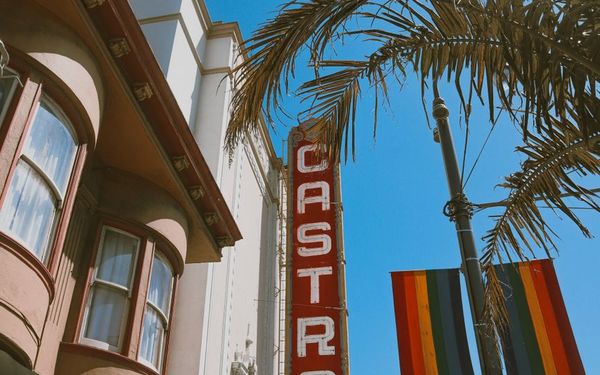
Harvey Milk and Proposition 6: The November 1978 Victory
In 1978 a California ballot measure would have forced queer teachers out of public schools. Harvey Milk fought it, and voters rejected it. What happened and what it has to do with Pride.
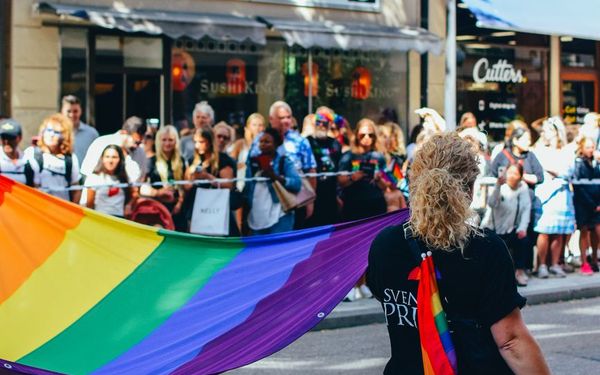
Brenda Howard and the Pride Week: Who Turned a Memorial March into a Tradition
After Stonewall, a march marked the anniversary in 1970, and later a whole week. Brenda Howard is named as one of the people behind it. What is documented and where the title Mother of Pride stays disputed.