
Reykjavik Pride 2026
Reykjavik Pride programme
Hotels around Reykjavik
Tap the map for prices and availability.
About Reykjavik Pride
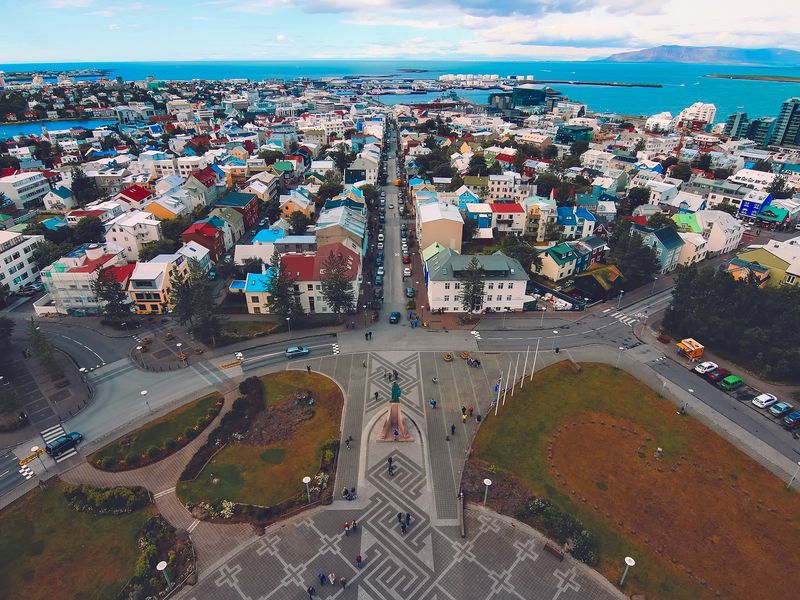
Every year, Iceland's capital turns into a sea of colour for one afternoon: Reykjavík Pride, locally known as Hinsegin dagar, sends its parade through the heart of the city. The march sets off at Hallgrímskirkja, the church that dominates the skyline, and winds down through Skólavörðustígur and Bankastræti before reaching Lækjargata and Fríkirkjuvegur. From there it continues along Sóleyjargata into Hljómskálagarður park, where an open-air concert traditionally closes the day beside the lake. An accessible viewing platform and a live stream mean the closing show reaches far beyond the crowd standing in the park.
The festival is run by the non-profit association Hinsegin dagar í Reykjavík, which keeps queer community life in Iceland going throughout the year and turns the parade into its most visible moment each summer. What began as a modest gathering has grown into one of the country's largest public events; organisers now count more than a hundred thousand people along the route, a striking share of Iceland's small population.
Beyond the march itself, the programme stretches across several days: a Pride centre serving as a meeting point, a conference on queer issues, and dedicated activities for young people. Hallgrímskirkja itself makes an easy starting point for visitors, since the entire route lies within walking distance of downtown Reykjavík.
Reykjavík Pride is as much a political statement as a celebration. It recalls a period when queer visibility in Iceland was far from guaranteed, and turns the progress made since then into something the whole city can see.
About Reykjavik
Reykjavik Pride stands as a vibrant cornerstone of Iceland's LGBTQ+ scene, transforming the capital into a whirlwind of color, music, and celebration. This annual festival draws massive crowds, often representing a significant portion of the nation's population, with parades marching through the heart of the city. The main Pride parade is a spectacular highlight, followed by free outdoor concerts, parties, and community events that make it one of the world's most spirited small-town Prides. It's a family-friendly affair where locals and visitors unite in joyous expression.
The roots of Reykjavik's LGBTQ+ community trace back to pioneering protests in the city center, where early activists demanded visibility and rights. Organizations like Samtökin '78 emerged as key players, fostering education and support that paved the way for widespread acceptance. From humble gatherings, the movement has grown into a powerful force, celebrating love, diversity, and equality in a society renowned for its progressiveness. Icons like openly queer leaders have further solidified Iceland's global reputation.
For English-speaking travelers, Reykjavik Pride offers unforgettable experiences blending queer joy with Iceland's natural wonders. Imagine parading under the midnight sun, then joining a queer cruise spotting whales or hiking volcanic trails in rainbow gear. The festival's playful spirit shines through past mayoral antics in drag, embodying the fun-loving Icelandic vibe. English speakers appreciate the inclusive atmosphere, with events featuring international artists and themes of global solidarity that resonate deeply.
Beyond the parade, the week-long program includes art exhibitions, workshops, and dance parties that deepen cultural connections. Reykjavik Pride isn't just an event; it's a testament to resilience and openness, inviting everyone to revel in the beauty of diversity amidst stunning landscapes.
Reykjavik Pride – frequently asked questions
Start at Hallgrímskirkja, continue via Skólavörðustígur and Bankastræti to Lækjargata, then via Fríkirkjuvegur and Sóleyjargata to Hljómskálagarður Park, where the parade ends.
From the magazine
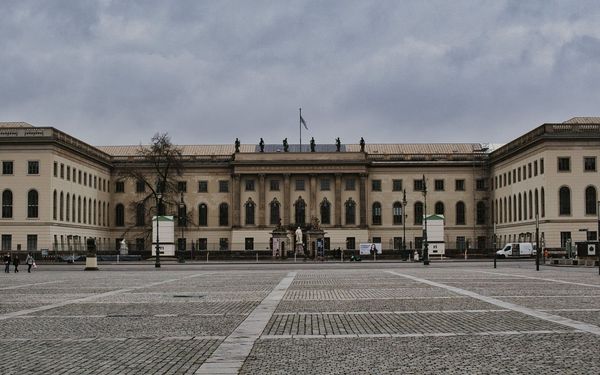
Magnus Hirschfeld and His Institute: What Was Lost on 6 May 1933
Long before Stonewall, Berlin had a place where homosexual people found advice and recognition. How the Institute for Sexual Science began and why it was destroyed in 1933.
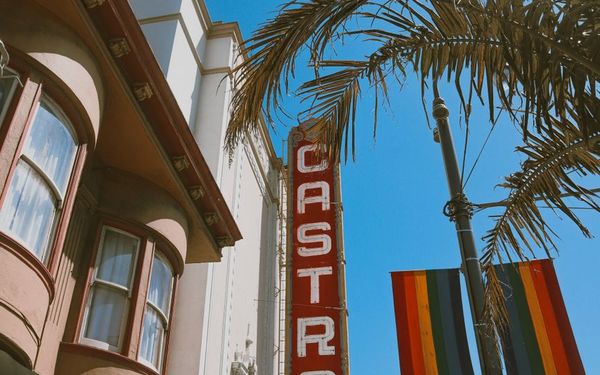
Harvey Milk and Proposition 6: The November 1978 Victory
In 1978 a California ballot measure would have forced queer teachers out of public schools. Harvey Milk fought it, and voters rejected it. What happened and what it has to do with Pride.
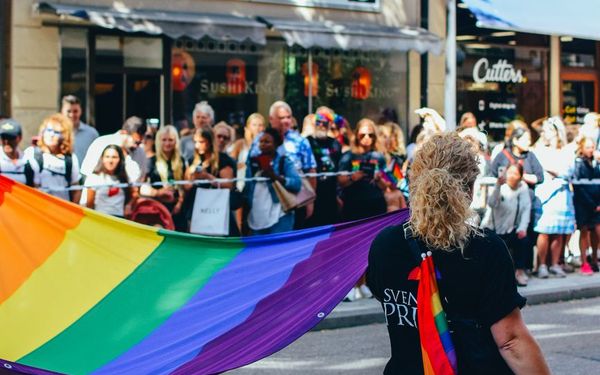
Brenda Howard and the Pride Week: Who Turned a Memorial March into a Tradition
After Stonewall, a march marked the anniversary in 1970, and later a whole week. Brenda Howard is named as one of the people behind it. What is documented and where the title Mother of Pride stays disputed.