
Hotels around Stollberg
Tap the map for prices and availability.
About Stollberg
Stollberg is a town of about eleven thousand people on the northern edge of the Ore Mountains (Erzgebirge) in Saxony, roughly twenty kilometres southwest of Chemnitz. It is the seat of a small administrative association in the Erzgebirgskreis district. For queer life in the region it matters for one reason in particular: the first Christopher Street Day of the Ore Mountains was held here.
Around 220 people marched through the town centre at that first event, with rallies on the main market square and on Postplatz. The local press described the demonstration as shrill, colourful and a little loud, and at the time nobody knew whether it would happen again. It did. The march now takes place every year and is organised by a local alliance called Stollberg-Erzgebirge Pride, which also runs its own social media channels.
The format has settled into a routine. Participants gather on Schillerplatz, walk through town for about two hours and finish in Pionierpark, where local initiatives and counselling services set up information stands and there is live music. The organisers see the day as a political demonstration first. Their aim is to make queer people visible in the rural Ore Mountains, give them a voice, and show that Stollberg is a place for everyone.
That aim carries weight here. The Erzgebirgskreis has very few queer venues, and people who want a bar, a support group or a party usually travel to Chemnitz. An annual event in their own town gives people from the surrounding small towns a reason to show up without leaving the region.
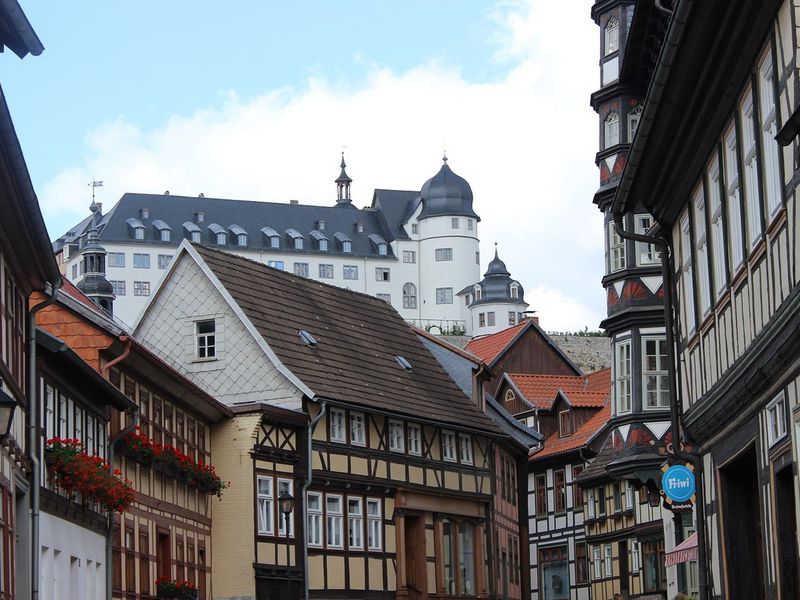
Visitors also get to see a town with a long history. Stollberg was already recorded as a town in the Middle Ages, when it received market rights. Above the town stands Hoheneck Castle, which in East German times served as the country's best-known women's prison. The alliance announces the date and route on social media.
Stollberg Pride – frequently asked questions


Nearby Prides
Leipzig Pride 2027
Dresden Pride 2027

Berlin Pride 2027
Brunswick Pride 2027
From the magazine
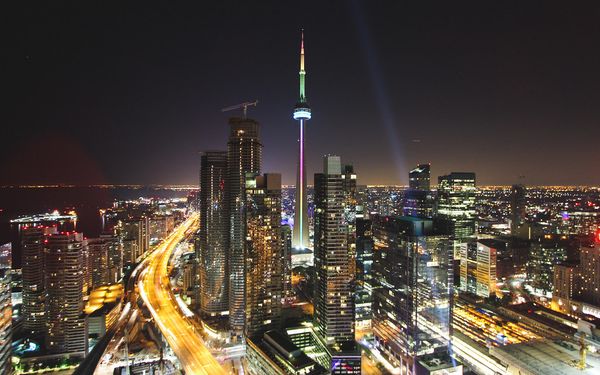
Toronto 1981: The Bathhouse Raids and the Protests Behind Toronto Pride
On 5 February 1981 Toronto police raided four gay bathhouses and arrested close to 300 men. What happened, how the sources count it, and how the protests connect to Toronto Pride.
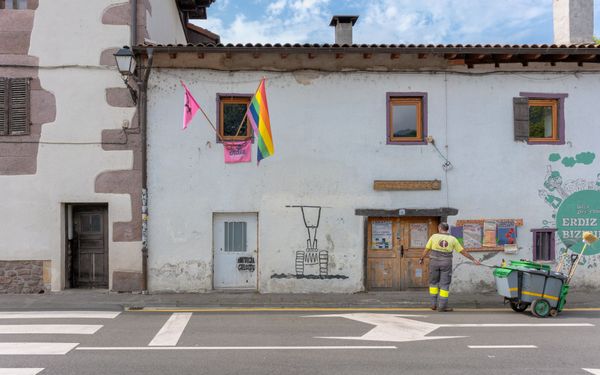
Reading the ILGA-Europe Rainbow Map: What the Ranking Measures and What It Does Not
Every May ILGA-Europe colours in Europe. How the Rainbow Map is built, what the 2026 edition shows and why it is not a travel guide.
Section 28: Britain's Law Against "Promoting Homosexuality" (1988 to 2003)
Section 28 barred British local authorities from "promoting" homosexuality. What the law said, how it shaped schools, how people protested it and when it was repealed.