
May 2026
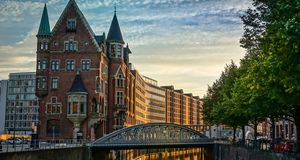
Gelsenkirchen Pride 2026

Hanover Pride 2026

Wiesbaden Pride 2026
June 2026
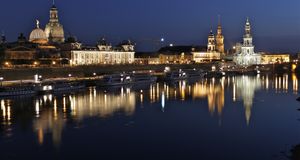
Dresden Pride 2026
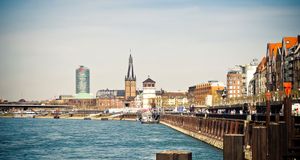
Dusseldorf Pride 2026

Karlsruhe Pride 2026

Augsburg Pride 2026

Bielefeld Pride 2026

Bochum Pride 2026

Munich Pride 2026
July 2026

Cologne Pride 2026
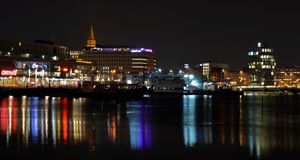
Kiel Pride 2026

Mannheim Pride 2026

Bonn Pride 2026
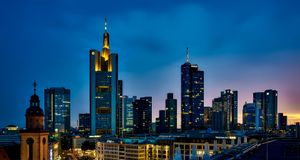
Frankfurt am Main Pride 2026
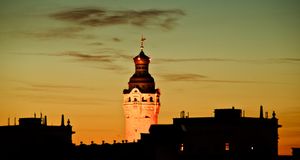
Leipzig Pride 2026

Moenchengladbach Pride 2026
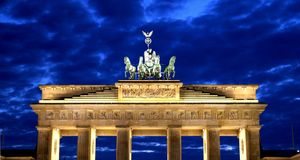
Berlin Pride 2026
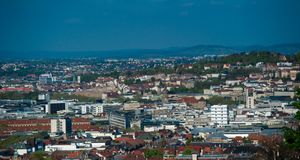
Stuttgart Pride 2026

Duisburg Pride 2026
August 2026
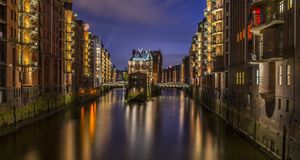
Hamburg Pride 2026
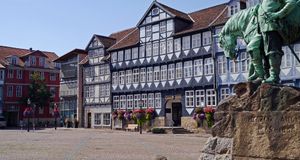
Brunswick Pride 2026

Essen Pride 2026
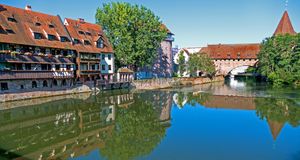
Nuremberg Pride 2026
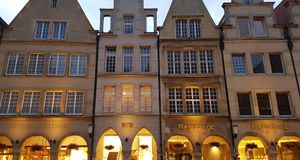
Muenster Pride 2026
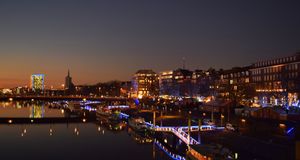
Bremen Pride 2026

Aachen Pride 2026

Berlin Reinickendorf Pride 2026
September 2026

Dortmund Pride 2026

Wuppertal Pride 2026
Pride celebrations in Germany trace their origins to the 1969 Stonewall uprising in New York, which sparked a global push for LGBTQ+ rights. The first organized Pride events kicked off in 1979 in cities like Berlin, Bremen, and Cologne, where hundreds marched against the infamous Paragraph 175, a law criminalizing male homosexuality until its repeal in 1994. These early gatherings were bold stands against deep-seated discrimination and persecution, especially recalling the Nazi era's brutal enforcement of anti-gay laws.
Germany's journey toward equality includes key legal victories: registered partnerships in 2001 and marriage equality in 2017, making it one of Europe's progressive nations. Yet, ongoing issues like trans rights, rising hate crimes, and rural conservatism highlight that the fight continues. Pride events blend commemoration with activism, drawing massive crowds to demand full inclusion.
Major Pride parades define the scene. Berlin's event, one of Europe's largest, attracts over a million participants along a route from Kurfürstendamm to the Brandenburg Gate, featuring floats, music, and speeches. Cologne's Rhine-flanked parade rivals it in scale, while Hamburg, Munich, and Frankfurt host vibrant festivals with street parties and performances. These gatherings showcase Germany's queer diversity, from drag shows to political rallies.
Today, Pride in Germany symbolizes resilience and joy. For locals and visitors, it's a celebration of hard-won freedoms amid a welcoming urban landscape. Activists emphasize education and visibility to combat prejudice, ensuring Pride remains a powerful force for change.