
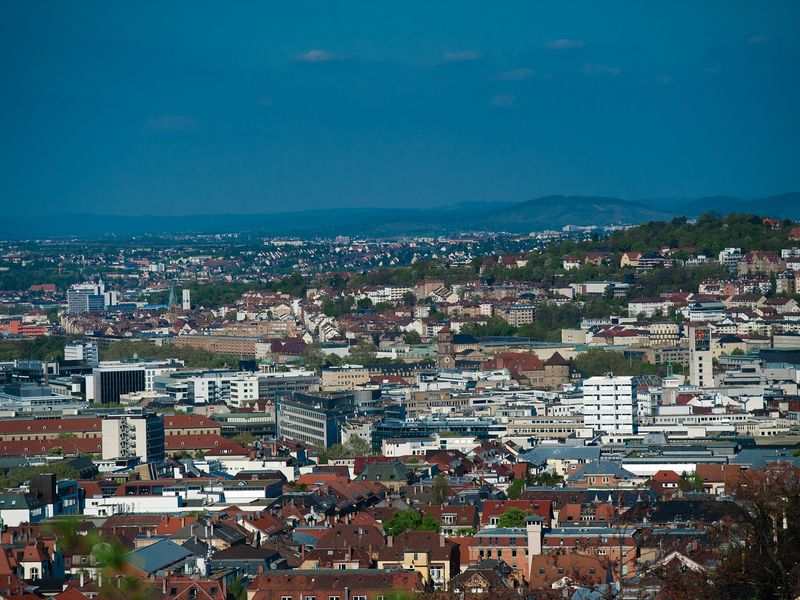
Highlights of Stuttgart PrideAs of 2026
Stuttgart Pride 2027
Stuttgart Pride programme
Cultural programme until 25 July.
Start in Rotebühlstraße, rally on Schlossplatz.
Street festival on Marktplatz and Schillerplatz as well as information mile in Kirchstraße, until 25 July.
Hotels around Stuttgart
Tap the map for prices and availability.
Video of Stuttgart Pride
About Stuttgart Pride
Stuttgart PRIDE is organized by a local nonprofit association with a five-person board, an organizing team and around 500 members. The event runs for several weeks each summer, combining a cultural programme with the city's central demonstration and street party. The season opens with a reception at the town hall, followed by weeks of talks, exhibitions, film screenings and community events at venues across the city center.
The demonstration assembles in Rotebühlstraße and moves through Rotebühlplatz, Eberhardstraße, Marktstraße and Münzstraße before reaching Karlsplatz. The march ends with a rally and speeches on Schlossplatz, one of Stuttgart's main public squares.
After the rally, a street festival known locally by the Swabian word "Hocketse" takes over Marktplatz and Schillerplatz with stages, food stalls and stands from local groups. An information fair along Kirchstraße gives counseling services, associations and businesses a chance to introduce themselves to visitors.
The march keeps its focus on visibility and political demands, while the festival around it is relaxed and family-friendly. Both parts happen on the same weekend and share the same stretch of the city center, so the protest and the party read as one continuous event rather than two separate occasions. Earlier stages of the programme, including the town hall reception, take place weeks before the march itself, giving the cultural side of Pride room to unfold on its own before the weekend's demonstration and festival close out the season.
About Stuttgart
Stuttgart's Pride celebrations bring vibrant energy to the city, highlighting the resilience and diversity of the local LGBTQ+ community through colorful parades and inclusive events. The main Pride march winds through key streets, featuring floats, performances, and messages of equality that draw crowds from across the region. Surrounding festivities include live music, art installations, and vendor markets on central squares, creating a festive atmosphere of unity and joy.
The roots of Stuttgart's queer scene trace back to discreet gatherings in post-war years, evolving into organized groups advocating for visibility and rights. Early milestones included the establishment of support networks and cultural spaces that challenged societal norms. Over time, the community built strong ties with broader German movements, fostering a scene known for its blend of activism and creativity in the heart of Baden-Württemberg.
For English-speaking visitors, Stuttgart's Pride stands out with its efficient organization and emphasis on community building. Parades emphasize themes like intersectionality and mental health, resonating with global audiences. Local highlights include after-parties in welcoming clubs and pop-up events that showcase emerging queer artists. The event's scale offers a perfect introduction to Germany's progressive stance on LGBTQ+ issues, with safe spaces for networking and celebration.
Beyond the parade, ongoing initiatives like film screenings and discussion panels deepen engagement. Stuttgart's Pride reflects a mature movement that balances festivity with advocacy, making it an appealing destination for travelers seeking authentic European queer experiences. The welcoming vibe encourages participation from allies, turning the city into a hub of acceptance and shared stories.
Stuttgart Pride – frequently asked questions
Start in Rotebühlstraße between Schwabstraße and the intersection of Herzogstraße/Rotebühlstraße/Paulinenstraße, continue via Rotebühlplatz, Eberhardstraße, Marktstraße and Münzstraße to Karlsplatz.
S-/U-Bahn to the city center (Rotebühlplatz), then a few minutes on foot.

Nearby Prides

Karlsruhe Pride 2026
Mannheim Pride 2026
Strasbourg Pride 2026

Augsburg Pride 2026
From the magazine

Bringing a sign to Pride: Make your point without shutting others out
A Pride sign can make a demand visible without blocking other people out. Practical choices about wording, size, photography and shared space make it work better.
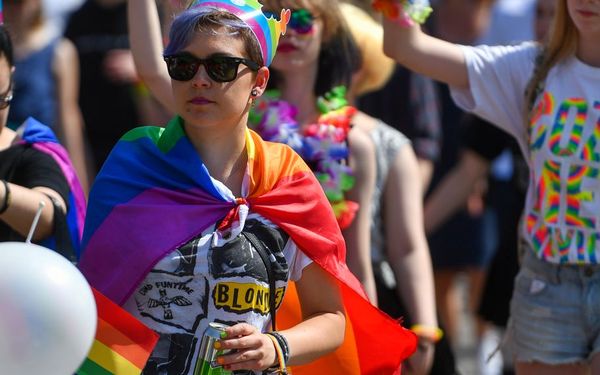
Queer and Seeking Refuge: Why Pride Is a Place of Arrival
For people who fled persecution because of who they are, Pride can be the first place where living openly feels safe. This guide covers the background, the support landscape and what organizers and fellow marchers can do to make the welcome real.
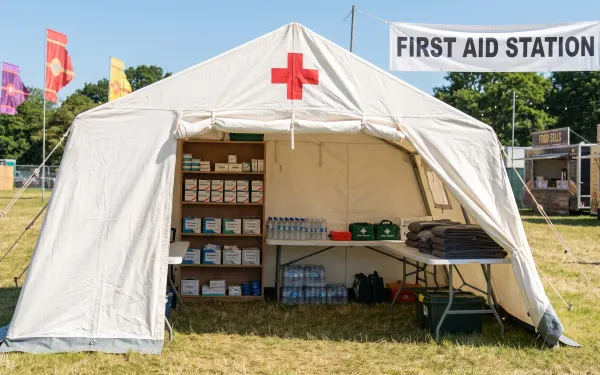
First Aid at Pride: How to Prepare Before You Go
Pride is a long, hot, crowded day. Most incidents stay minor — if organizers provide proper medical cover and attendees know when to ask for help. A practical guide to preparation, heat illness and dense crowds.