
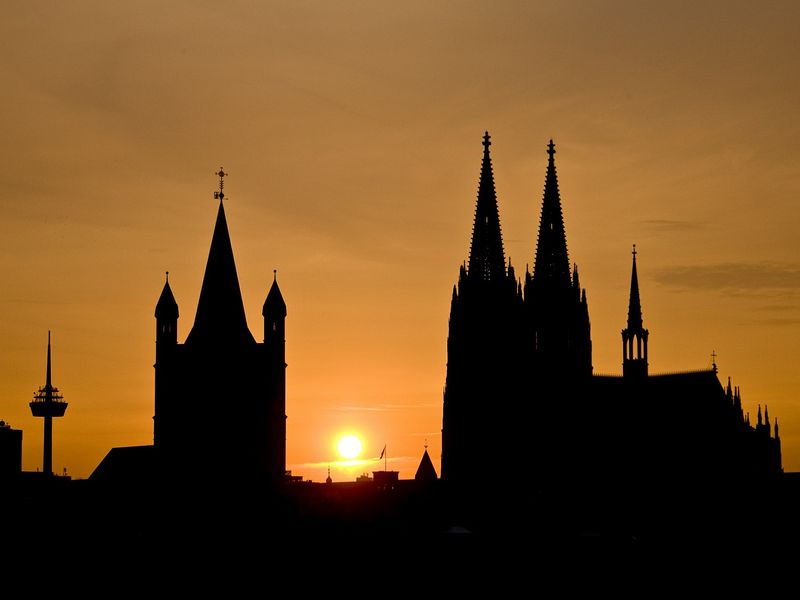
When the Rhine metropolis hoists its rainbow flags in summer, it's Christopher Street Day in Cologne again. The CSD, which runs here under the name ColognePride, is one of the largest and liveliest of its kind in all of Europe - and 2027 will certainly be no exception.
Highlights of Cologne PrideAs of 2026
Cologne Pride 2027
Over several weeks, Cologne will be transformed into a colourful stage. There are readings, parties, discussions, street festivals around Rudolfplatz and Schaafenstraße, plus lots of culture that shows how diverse queer life actually is. The highlight is traditionally the big parade, in which hundreds of thousands of people parade through the city centre – on trucks, on foot, dancing, celebrating, sometimes demonstrating.
Because that's exactly the core of the whole thing: The CSD is not just a party. He recalls the riots on New York's Christopher Street in 1969, when people defended themselves against discrimination and police violence. This political claim still resonates today. It's about equality, about visibility and about the fact that no one has to hide for who they are or who they love.
The nice thing about the Cologne CSD: It is open to everyone. You don't have to be part of the queer community to celebrate or show solidarity. Families, circles of friends, companies, clubs – in the end there is an image that is so typical of Cologne: live and let live, tolerance and a big heart.
If you want to be there in 2027, it is best to find out about the exact program and dates early on, because the offers are huge and the city is correspondingly full. But one thing is certain: it will be loud, colourful and warm – just like you know it from Cologne.
Cologne Pride programmeAs of 2026
Beach lounges, drinks and information booths at Elogiusplatz, open until July 5 (free admission).
Stage program in the old town; Street festival 3–5 July on five stages.
Parade from Deutzer Brücke through the city center.
Heumarkt/Alter Markt, with Miriana Conte and Sarah Engels, among others.
Hotels around Köln
Tap the map for prices and availability.
About Cologne Pride
When Cologne raises its rainbow flags, ColognePride takes over the city — one of Europe's largest and most vibrant Pride celebrations. The event is organised by ColognePride e.V., an association that grew out of the former Cologne Lesbian and Gay Day and now ranks among Germany's most established queer organisations.
Over several days, the city turns into a colourful stage: street festivals around Rudolfplatz and Schaafenstraße, readings, parties, panel discussions and a packed cultural programme show just how diverse queer life in Cologne really is. The highlight is the big parade, which sets off from Deutzer Brücke and winds through the city centre — on foot, on decorated floats, dancing and celebrating, but always carrying a clear political message.
Because ColognePride is more than a party. Its roots lie in the Stonewall uprising in New York, when queer people first stood up visibly against police harassment and discrimination. That origin still shapes the character of the Cologne parade today: it is about equal rights, legal recognition, and the simple fact that nobody should have to hide who they are.
At the same time, ColognePride is explicitly open to everyone who wants to join in or show solidarity, regardless of their own sexual orientation or gender identity. Families, groups of friends, companies and associations line up alongside queer groups in the parade. The meeting point at Deutzer Freiheit is easy to reach by Cologne's tram network.
Anyone visiting Cologne during these days sees the city at its most open: loud, colourful, and beating with a heart for diversity.
About Cologne
Cologne, Germany, stands as one of Europe's most vibrant hubs for LGBTQ+ pride and community life. Nestled along the Rhine River, the city has long embraced diversity, with its annual Pride parade drawing massive crowds each July. This colorful event transforms the streets into a sea of rainbows, featuring floats, music, and performances that celebrate queer joy and advocate for equality. Starting from venues like Rudolfplatz, the parade winds through the city center, culminating in a massive street festival at Heumarkt, where international visitors join locals for days of parties, concerts, and activism.
The roots of Cologne's Pride trace back to 1991, when the Kölner Lesben- und Schwulentag e.V. (KLuST) organized the first march, inspired by global movements like the Stonewall uprising. From humble beginnings with just a few hundred participants, it has grown into one of Germany's largest Pride celebrations, organized by a dedicated association with over 300 members pushing for political change. Cologne's queer history is rich and resilient: in the 1920s, venues like the 'Dornröschen' bar hosted drag shows before Nazi closures; post-war spots such as 'Le Caroussel' in Hühnergasse became safe havens. The 1980s saw the rise of sports clubs like SC Janus, Europe's first gay-lesbian athletic group founded in 1980, and triumphs like winning the gay soccer world championship at the 1994 Gay Games.
Today, Cologne's 10.6% LGBTQ+ population—over 100,000 people—fuels a scene integrated into everyday life. The city supports this through its LSBTI equality office, cultural festivals like the lesbian and gay film festival, and queer choirs such as Various Voices. For English-speaking travelers, Pride offers accessible English signage, international crowds, and a welcoming vibe rooted in the local motto 'Leeve un leeve losse'—live and let live. Whether marching, dancing, or reflecting on history at the Centrum Schwule Geschichte archive, Cologne's Pride embodies tolerance and festivity.
Cologne Pride – frequently asked questions


The parade starts at around 11:30 a.m. on the Deutzer Bridge and leads via Heumarkt, Gürzenichstraße, Schildergasse, Neumarkt, Pastor-Könn-Platz, Mittelstraße, Rudolfplatz, Hohenzollernring, Magnusstraße, Burgmauer and Komödienstraße across the city center to Marzellenstraße.
Accessible by lines 9, 7 & 1
Nearby Prides
Bonn Pride 2026
Dusseldorf Pride 2026
Wuppertal Pride 2026

Moenchengladbach Pride 2026
From the magazine
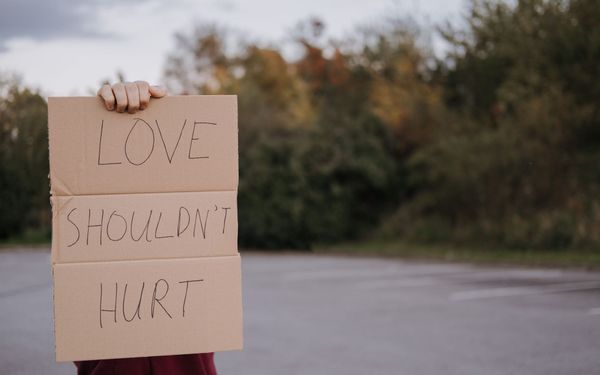
Bringing a sign to Pride: Make your point without shutting others out
A Pride sign can make a demand visible without blocking other people out. Practical choices about wording, size, photography and shared space make it work better.
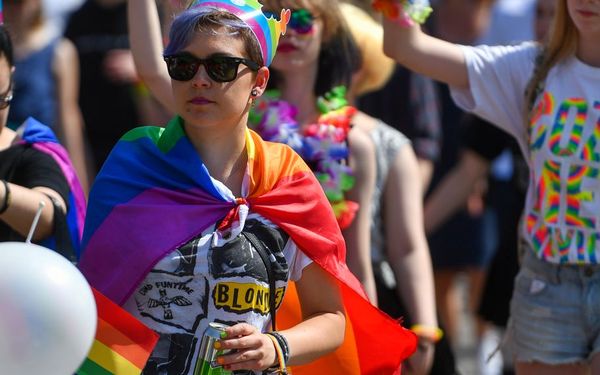
Queer and Seeking Refuge: Why Pride Is a Place of Arrival
For people who fled persecution because of who they are, Pride can be the first place where living openly feels safe. This guide covers the background, the support landscape and what organizers and fellow marchers can do to make the welcome real.
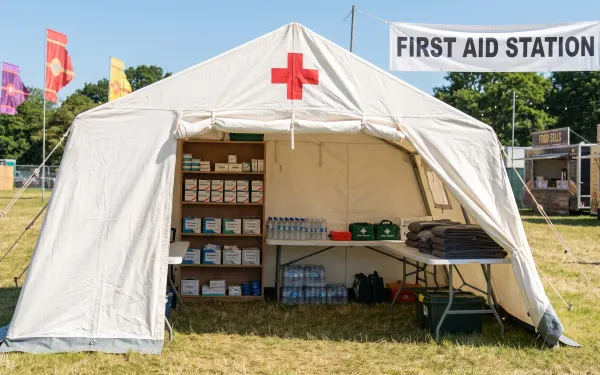
First Aid at Pride: How to Prepare Before You Go
Pride is a long, hot, crowded day. Most incidents stay minor — if organizers provide proper medical cover and attendees know when to ask for help. A practical guide to preparation, heat illness and dense crowds.