
June 2026
July 2026
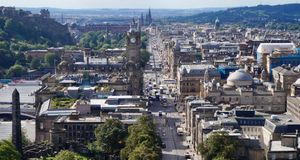
Scotland's Pride movement began with a bold statement in 1995, when the first major march took place in Edinburgh on June 17. Organizers anticipated 500 attendees, but around 3,000 people defied expectations and threats to parade from Broughton Street through Princes Street to the Meadows for a festival. This event marked a pivotal moment, coming just 15 years after partial decriminalization of homosexuality in 1981, following decades of harsh laws.
Building on smaller gatherings like the 1988 Lark in the Park, Pride Scotia alternated between Edinburgh and Glasgow. The 1996 Glasgow event featured Quentin Crisp, while 1997's Edinburgh march introduced a minute of silence for AIDS victims, a tradition continued by the Sisters of Perpetual Indulgence. These were acts of defiance against policies like Section 28, which banned promotion of homosexuality in schools from 1988. Activists emphasized Pride's dual role as celebration and protest, pushing for visibility and rights.
Today, Scotland hosts vibrant Prides across cities: Glasgow Pride in July draws massive crowds with parades and parties; Edinburgh Pride in June offers marches and festivals; Dundee and others follow suit. Legal milestones include equal marriage in 2014, gender recognition reforms, and pioneering LGBTQ+ inclusive education in schools since 2018. The community thrives amid strong anti-discrimination laws, though challenges like trans rights debates persist. Scotland's Prides blend festive atmospheres with activism, attracting global visitors to its inclusive spirit and stunning backdrops, ensuring the movement's relevance endures.