
May 2026
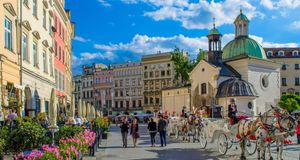
Krakow Pride 2026
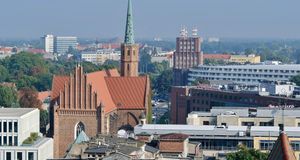
Wroclaw Pride 2026 / Wrocławski Marsz Równości 2026
June 2026
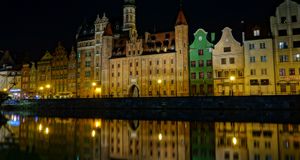
Gdansk Pride 2026

Warsaw Pride 2026
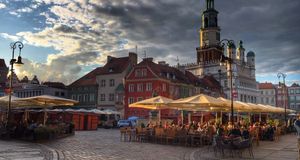
Poznan Pride 2026
September 2026

Pride events in Poland represent a vital front in the fight for LGBTQ+ rights amid ongoing challenges. The movement traces its roots to the early 2000s, drawing inspiration from global Pride celebrations like those commemorating the Stonewall uprising. Warsaw's Equality Parade, known as Parada Równości, launched in 2001 and has grown into the country's flagship event, attracting tens of thousands annually. By 2018, organizers reported 50,000 participants marching for equality, despite heavy police presence to counter counter-protests from far-right groups.
Legal milestones are mixed. Same-sex relations have been decriminalized since 1932, a holdover from pre-communist times, but progress stalled under conservative governments. Over 100 municipalities declared themselves 'LGBT-free zones' in recent years, fostering hostility and violence. Mental health crises are rampant, with many queer Poles facing depression due to societal rejection. Yet, cities like Krakow, Gdansk, and Poznan host vibrant Prides, with Poznan often hailed as a queer hub offering relative safety.
Current tensions highlight the parade's protest roots. Unlike commercialized Western events, Polish Prides maintain a strong activist edge, demanding anti-discrimination laws, marriage equality, and protections for trans individuals. Cross-border initiatives, such as the Frankfurt-Slubice Pride linking Poland and Germany, amplify solidarity, starting in Polish towns and crossing into Germany to demand safe spaces.
These gatherings blend celebration with defiance, featuring music floats and rallies against broader discrimination, including ethnic and religious minorities. For the international community, Poland's Prides underscore resilience, inspiring global support while exposing the need for continued advocacy in Eastern Europe.