
2027 date
The date has not been confirmed yet. Expected May 2027
You will find the date here as soon as it is confirmed. Already know it? Let us know.
Hotels around Krakau
Tap the map for prices and availability.
About Krakow
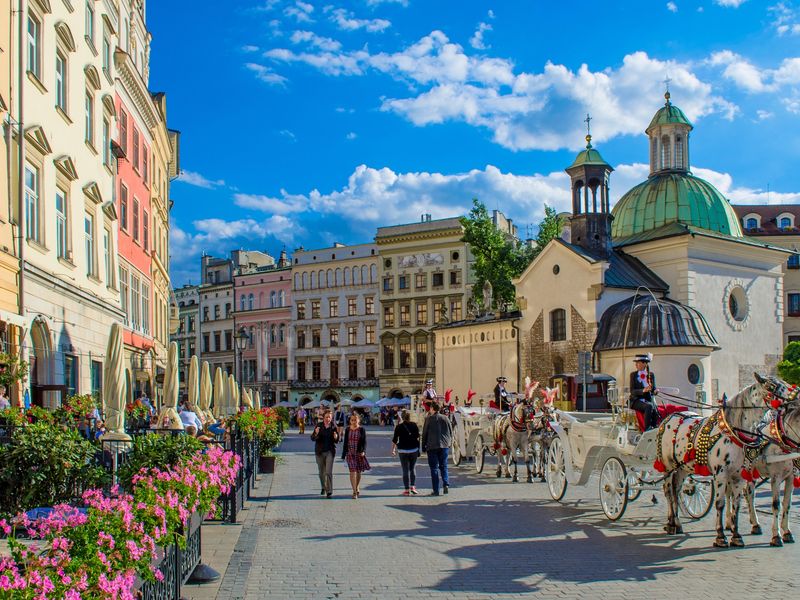
Krakow, Poland's cultural gem with its stunning historic core, serves as a vibrant hub for the LGBTQ+ movement in Eastern Europe. Pride events, known locally as Marsz Równości, draw thousands who march for equality, acceptance, and against discrimination. These parades weave through the charming old town, uniting queer communities with allies from around the globe.
The local LGBTQ+ history reflects remarkable resilience amid challenges. In a nation shaped by deep Catholic traditions, activists have long battled homophobia. Early marches faced fierce opposition, including counter-protests and violence, forging a legacy of determination. Today, these gatherings mark profound change: politicians and public figures join openly as supporters, raising rainbow flags and leading the way, signaling a shift toward tolerance.
For English-speaking visitors, Krakow's Pride offers unique appeal. Drawing parallels to global struggles for rights, it attracts internationals seeking solidarity. The proximity to major European cities makes it accessible, with many traveling for the electric atmosphere. Parades culminate in lively festivals, concerts, and parties that celebrate diversity in an inclusive vibe.
English resources and expat networks enhance the experience, providing guides to safe spaces and events. The movement here emphasizes visibility and joy, turning historic streets into stages for empowerment. Krakow's Pride not only honors local pioneers but inspires visitors to engage with Poland's evolving queer landscape, fostering connections across borders.
Krakow Pride – frequently asked questions
Nearby Prides
Katowice Pride 2026
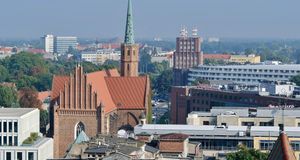
Wroclaw Pride 2026 / Wrocławski Marsz Równości 2026
From the magazine
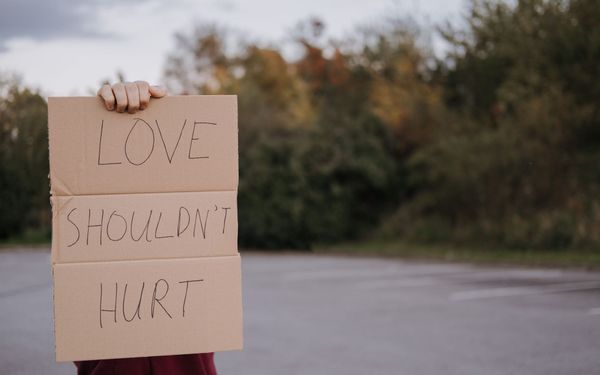
Bringing a sign to Pride: Make your point without shutting others out
A Pride sign can make a demand visible without blocking other people out. Practical choices about wording, size, photography and shared space make it work better.
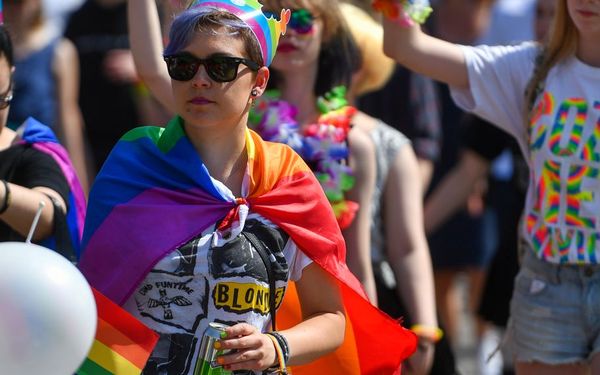
Queer and Seeking Refuge: Why Pride Is a Place of Arrival
For people who fled persecution because of who they are, Pride can be the first place where living openly feels safe. This guide covers the background, the support landscape and what organizers and fellow marchers can do to make the welcome real.
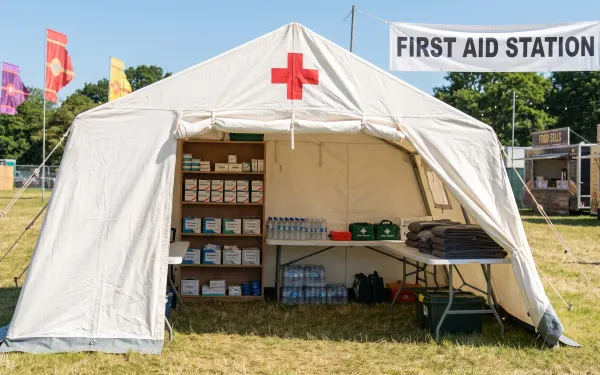
First Aid at Pride: How to Prepare Before You Go
Pride is a long, hot, crowded day. Most incidents stay minor — if organizers provide proper medical cover and attendees know when to ask for help. A practical guide to preparation, heat illness and dense crowds.