

Hotels around Mykonos
Tap the map for prices and availability.
About Mykonos
Mykonos, the iconic Greek island in the Cyclades, shines as a beacon for the LGBTQ+ community, blending vibrant energy with stunning beaches. While larger cities like Athens host major Pride parades, Mykonos celebrates through high-energy festivals like XLsior, drawing global crowds for parties, pool events, and beach gatherings under the rainbow flag. These occasions highlight the island's role as a queer haven, where visibility and celebration go hand in hand.
The local LGBTQ+ history on Mykonos reflects a long-standing reputation for openness amid Greece's traditional society. Long before widespread acceptance, the island attracted queer travelers seeking liberation from conservative norms influenced by the Orthodox Church. Pioneering locals and visitors built a discreet yet thriving scene, turning secluded coves and lively nights into symbols of freedom. This legacy continues, with community members advocating for rights through informal networks and inclusive events.
For English-speaking audiences, Mykonos offers a perfect mix of glamour and authenticity. International visitors, especially from the UK, US, and Australia, flock here for its world-class nightlife and relaxed vibe. The island's English-friendly spots make it easy to connect, share stories, and join spontaneous Pride moments. Tips for newcomers include embracing the all-day beach parties that evolve into nighttime revelry, fostering a sense of belonging in a diverse crowd.
Ultimately, Pride in Mykonos embodies joy and resilience. Without rigid structures, it thrives on organic gatherings that unite locals and tourists. The island's spirit encourages self-expression, making it an enduring destination where the LGBTQ+ community finds empowerment amid turquoise waters and endless sunsets.


Nearby Prides

From the magazine
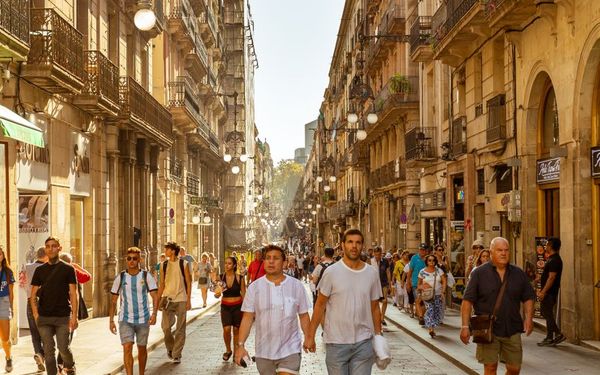
Barcelona 1977: Spain's First Pride March on La Rambla
On 26 June 1977, several thousand people marched without permission up La Rambla in Barcelona and demanded the end of a law that criminalised homosexuality. What happened and what came of it.
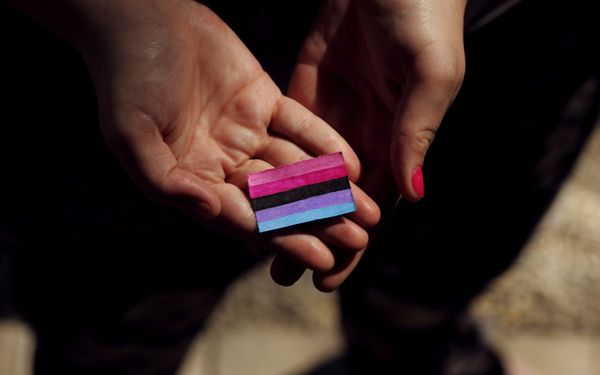
Bi Visibility Day and the Bi Flag: Where They Come From and What They Mean
23 September is Bi Visibility Day. Who started it, what the pink, purple and blue flag stands for, and how you can make bisexual people visible at Pride and in everyday life.
Transgender Day of Remembrance: Where It Comes From and How to Take Part
Every year around 20 November, vigils remember trans people who were killed. The origin of the day, the latest Trans Murder Monitoring figures and practical ways to take part (as of October 2026).