

Hotels around Hong Kong
Tap the map for prices and availability.
About Hong Kong Pride
Hong Kong Pride has a history of change. What began as a conventional street parade and grew steadily over the years now takes a different shape: instead of marching through the city, the Hong Kong Pride Parade Committee mainly runs what it calls a Rainbow Market, an indoor fair with stalls, art and community spaces. The shift reflects a legal environment in Hong Kong that has made public gatherings considerably harder to hold.
Despite that shift, the underlying purpose hasn't changed: visibility for queer people in a city where same-sex relationships have not been criminalised for decades, yet still receive no legal recognition and only limited protection against discrimination. The event brings together exhibition spaces, art projects and talks, and has previously tackled socially relevant topics such as end-of-life issues facing same-sex partners.
The event is run by the Hong Kong Pride Parade Committee, an alliance of local organisations that stays in touch with the community across a range of channels, from social media to messaging apps. Anyone looking for the current date and exact venue is best served by the committee's official channels, since format and circumstances can shift from year to year.
Hong Kong Pride illustrates a pattern seen elsewhere too: where public space for gatherings shrinks, queer visibility moves into other, often more sheltered formats, without the underlying cause becoming any smaller.
About Hong Kong
Hong Kong Pride Parade, known in Chinese as 香港同志遊行, is the main Pride event in the Special Administrative Region. It traditionally takes place in autumn, usually in November, and is run by an organising committee drawing on several community groups, among them Women Coalition of HKSAR, Rainbow of Hong Kong and Gay Harmony.
The first marches went from Causeway Bay to Wan Chai. Later the route started in Victoria Park and finished at Tamar Park or at Edinburgh Place in front of City Hall in Central. There has been no march for several years now. First the police refused permission for a procession, then pandemic rules ruled out large gatherings. The committee switched to a rally, an online edition and rainbow markets. Later it dropped the march altogether, citing the safety of participants, and organised exhibitions and guided walks in Kwun Tong instead.
These days the rainbow market is the centrepiece. To keep it within the rules, it is set up as an event for members of the Hong Kong Pride fan club, 香港Pride友會. People register in advance through the committee's website and are told the exact venue by email shortly beforehand. Each edition has its own theme, and the committee names ambassadors from film, culture and public life to front it.
The main political issue is legal recognition for same-sex couples. Hong Kong's Court of Final Appeal ordered the government to create a legal framework for same-sex partnerships, but the bill the government then put forward was voted down by a large majority in the Legislative Council. Inheritance, hospital visits and joint applications for public housing therefore remain open questions, and the committee covers them in detail on its website.
Homosexuality has been legal in Hong Kong since the early nineties. Same-sex couples have since won some rights through the courts, such as the right to apply for a spousal visa and spousal benefits for the partners of government employees.
Hong Kong Pride – frequently asked questions
From the magazine
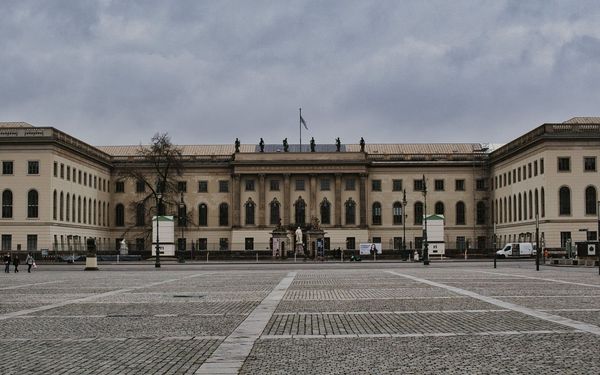
Magnus Hirschfeld and His Institute: What Was Lost on 6 May 1933
Long before Stonewall, Berlin had a place where homosexual people found advice and recognition. How the Institute for Sexual Science began and why it was destroyed in 1933.
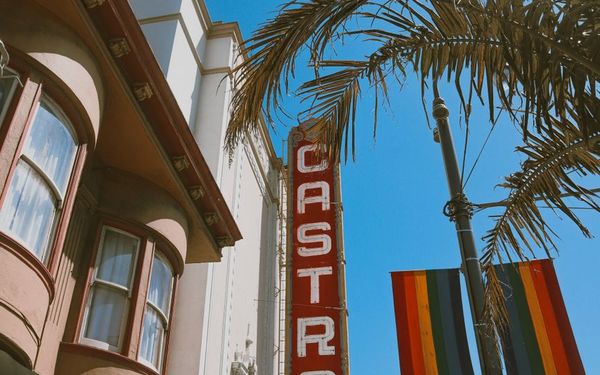
Harvey Milk and Proposition 6: The November 1978 Victory
In 1978 a California ballot measure would have forced queer teachers out of public schools. Harvey Milk fought it, and voters rejected it. What happened and what it has to do with Pride.
Brenda Howard and the Pride Week: Who Turned a Memorial March into a Tradition
After Stonewall, a march marked the anniversary in 1970, and later a whole week. Brenda Howard is named as one of the people behind it. What is documented and where the title Mother of Pride stays disputed.