
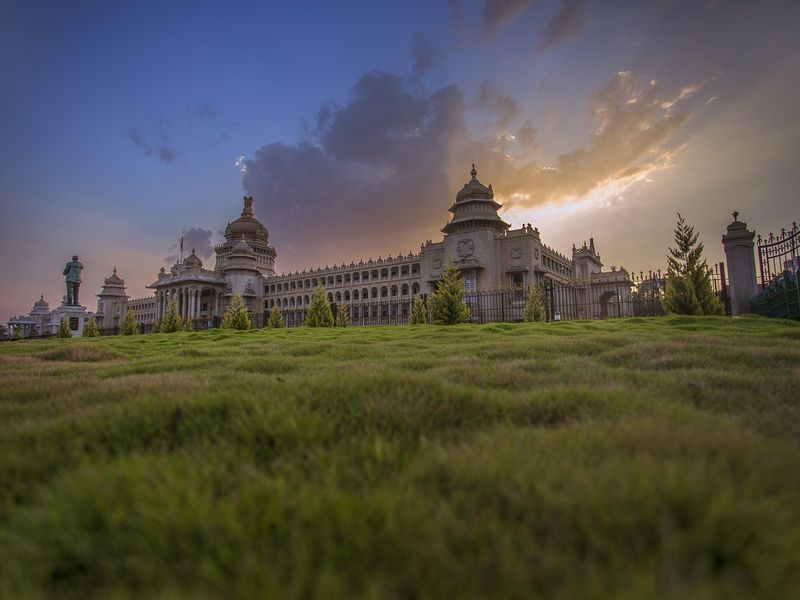
Hotels around Bangalore
Tap the map for prices and availability.
About Bangalore
Bangalore's Pride scene thrives as a beacon of visibility and celebration for India's LGBTQ+ community. The Bengaluru Namma Pride March, coordinated by the Coalition for Sex Workers and Sexuality Minority Rights (CSMR), draws thousands into a vibrant parade winding through the city's bustling streets. Preceded by a month of queer-focused activities including talks, film screenings, and seminars, the event embodies joy, solidarity, and demands for equality. Participants in rainbow attire dance and chant, highlighting rights and decriminalization efforts.
The local LGBTQ+ history in Bangalore reflects resilience amid challenges. The community has built networks through activism, turning spaces like National College in Basavanagudi and Town Hall into landmarks of defiance. From early gatherings protesting colonial-era laws to expansive modern marches ending at grounds like Malleswaram, the movement encompasses gays, lesbians, bisexuals, trans individuals, and more, fostering empowerment and cultural expression.
For English-speaking audiences, particularly from the West, Bangalore Pride offers a unique fusion of Indian vibrancy and global queer spirit. It mirrors international parades while incorporating Kannada language elements – 'Namma' meaning 'ours' – emphasizing ownership and unity. Visitors appreciate initiatives like queer magazines in local languages, free health drives, and alliances with global groups, creating inclusive spaces that blend tradition with progress. The parade's energy, with colorful saris and street performances, captivates and educates.
Bangalore's Pride continues to evolve, promoting health awareness, artistic expression, and community building. It invites everyone to join a movement of unapologetic joy and advocacy, making it a must-experience for queer travelers seeking authentic connections in India.
From the magazine
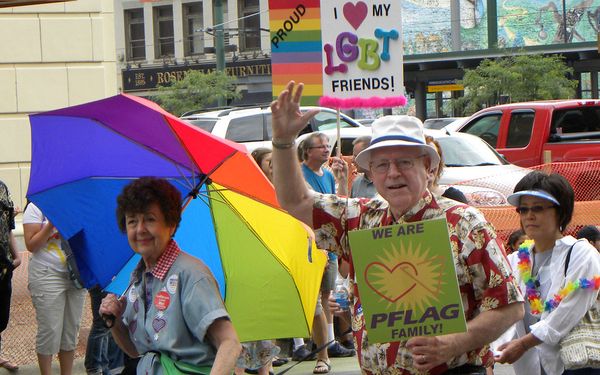
The Dyke March: The Story Behind the Parade That Never Asks Permission
Since 1993, Dyke Marches have run in cities worldwide without permits, sponsors, or floats. Here's how a march built by and for lesbians became one of Pride season's most enduring traditions.
Rainbow-Washing at Pride: How to Tell Real Support from Marketing
A rainbow logo in June says little about what a company does the other eleven months. Here's how to read corporate Pride sponsorship with a critical eye, and why that skill matters more since 2025.
Faith and Pride: How LGBTQ+ People of Faith Built Their Own Spaces
For more than fifty years, queer Christians, Muslims, and members of other faiths have built their own organizations and marched in their own blocs at Pride. A look at the history, from the first LGBTQ+-affirming church to a stall at Berlin Pride today.