
2027 date
The date has not been confirmed yet. Expected February 2027
You will find the date here as soon as it is confirmed. Already know it? Let us know.
Hotels around Neu Delhi
Tap the map for prices and availability.
About New Delhi
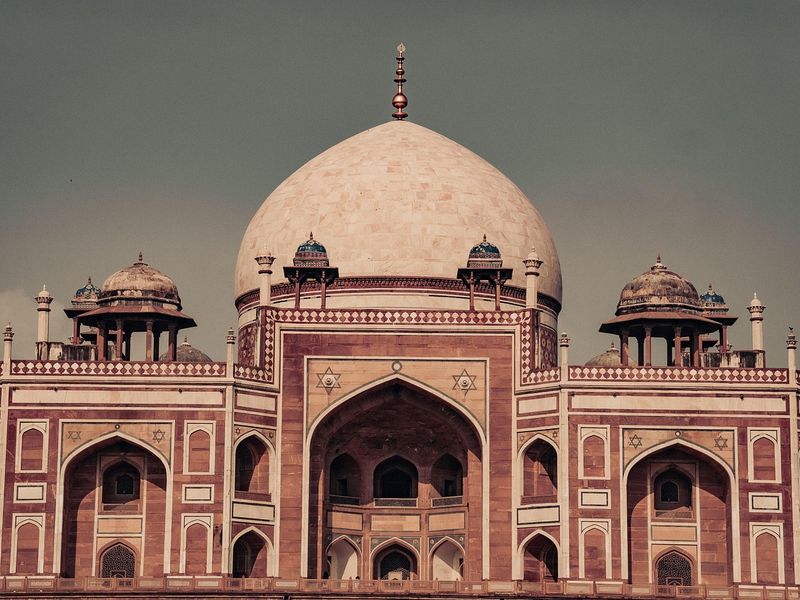
The Pride movement in New Delhi has emerged as a vibrant symbol of resistance and celebration for LGBTQ+ identities across India. Local Pride events, often called Delhi Queer Pride, bring together diverse crowds in colorful parades winding through the city's bustling streets. These gatherings highlight pride in one's sexuality and gender identity while advocating against discrimination and for equal rights. Participants wave rainbow flags, dance to upbeat music, and chant calls for acceptance and equality.
The history of the LGBTQ+ community in New Delhi reflects remarkable resilience amid societal pressures. For years, queer individuals operated in the shadows, forming private networks and discreet meetups. Over time, bold activists increased visibility by pushing for the repeal of discriminatory laws. Today, a thriving scene includes film festivals, art exhibits, and panel discussions that raise awareness and foster dialogue.
For English-speaking visitors, particularly from Western countries, these events offer a gateway to understanding India's queer landscape. New Delhi's Prides blend global influences with local flavors, such as Bollywood beats and traditional attire reimagined in rainbow hues. International travelers often connect these parades to major events worldwide, appreciating the shared spirit of defiance and joy. Community groups host workshops on intersectionality, exploring how caste, religion, and gender intersect in Indian queer experiences, providing fresh perspectives for global audiences.
These Pride celebrations embody hope and solidarity. They invite everyone to immerse in New Delhi's queer culture, from street parties to thoughtful forums. Each event reinforces the universal message that love and authenticity transcend borders.
New Delhi Pride – frequently asked questions
From the magazine
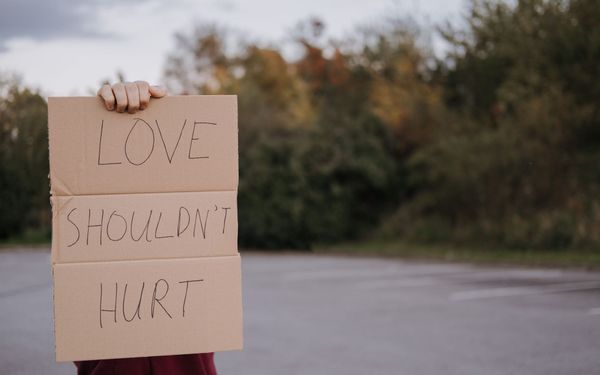
Bringing a sign to Pride: Make your point without shutting others out
A Pride sign can make a demand visible without blocking other people out. Practical choices about wording, size, photography and shared space make it work better.
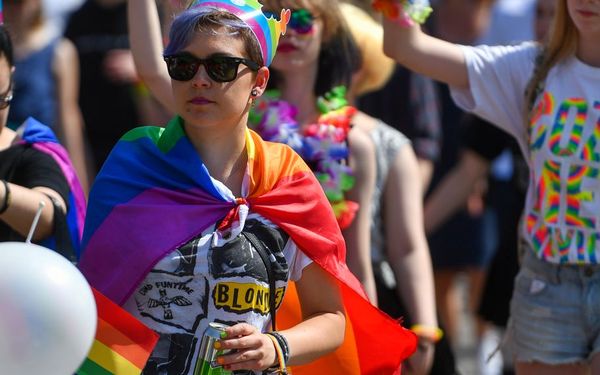
Queer and Seeking Refuge: Why Pride Is a Place of Arrival
For people who fled persecution because of who they are, Pride can be the first place where living openly feels safe. This guide covers the background, the support landscape and what organizers and fellow marchers can do to make the welcome real.
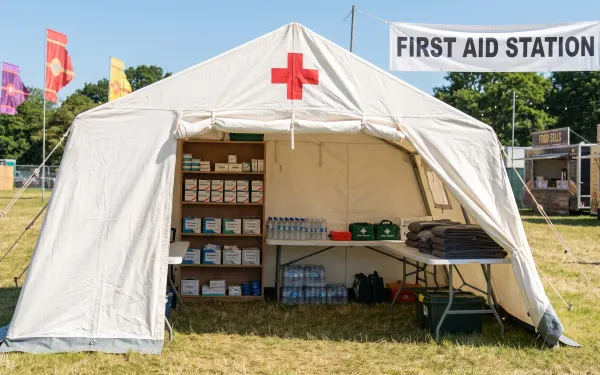
First Aid at Pride: How to Prepare Before You Go
Pride is a long, hot, crowded day. Most incidents stay minor — if organizers provide proper medical cover and attendees know when to ask for help. A practical guide to preparation, heat illness and dense crowds.