
Hotels around Livorno
Tap the map for prices and availability.
About Livorno
Livorno, a vibrant port city in Tuscany, holds a pivotal place in Italy's LGBTQ+ history. The local queer community thrives on solidarity and visibility, showcased through its annual Pride events. The Livorno Pride parade draws thousands, marching through the city's streets to champion equality, acceptance, and resistance to discrimination. These celebrations are bursts of color, sound, and energy, featuring music, dance, and creative performances that unite participants in joyous defiance.
The community's roots trace back to Tuscany's legacy of tolerance, marked by pivotal moments that heightened awareness of violence against queer individuals and sparked early organized protests across Italy. This heritage fostered active networks with nearby cities like Pisa, where collectives formed to create spaces for meetings, discussions, and cultural exchange. Today, the scene continues this legacy via education, workshops, and artistic endeavors, building a resilient foundation for ongoing advocacy.
For English-speaking visitors, Livorno offers unique appeal as a gateway to Tuscany's queer scene. Its coastal charm, historical depth, and welcoming vibe attract travelers from the UK, US, and beyond. Pride events blend Italian flair with international influences, creating inclusive spaces where global stories intersect. English-friendly resources, from local guides to online forums, make navigation easy, while the parade's inclusive spirit welcomes newcomers. Many find connections through expat groups or themed tours, enhancing the experience with shared narratives.
Livorno Pride stands as a beacon of resilience and celebration. The community drives initiatives against homophobia and for broader inclusion, rendering the city a safe, inviting haven. Each event reinforces the timeless message: love prevails, diversity empowers.

Nearby Prides

Bologna Pride 2026

Genoa Pride 2026

Milan Pride 2026
From the magazine
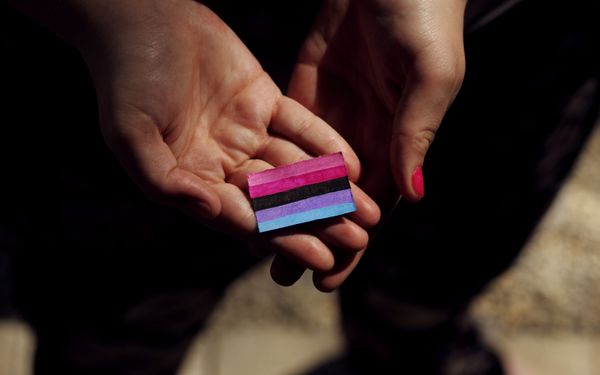
Bi Visibility Day and the Bi Flag: Where They Come From and What They Mean
23 September is Bi Visibility Day. Who started it, what the pink, purple and blue flag stands for, and how you can make bisexual people visible at Pride and in everyday life.
Transgender Day of Remembrance: Where It Comes From and How to Take Part
Every year around 20 November, vigils remember trans people who were killed. The origin of the day, the latest Trans Murder Monitoring figures and practical ways to take part (as of October 2026).
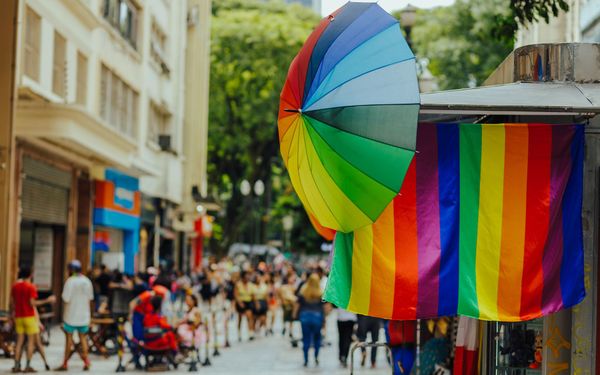
Going to Pride Alone: Plan Your First Visit at Your Own Pace
Going to Pride alone is common, and it can give you room to decide what feels right. A simple plan for arrival, breaks and your journey home helps you stay open to the day.