

Hotels around Iquitos
Tap the map for prices and availability.
About Iquitos
Iquitos has one of the longer-running Pride traditions in the Peruvian Amazon. The city's Marcha del Orgullo has taken place for about two decades and is held every year at the end of June, during the international Pride month. In recent years the local collective CHERL has organized the march and announced it in the regional press beforehand.
The usual meeting point is Plaza 28 de Julio in the city center, in the late afternoon. From there the march moves through downtown, along streets such as Grau, Próspero and Napo and across the Plaza de Armas, before looping back through other central streets. No registration is needed. The organizers stress that anyone who wants to join is welcome: queer people from Iquitos, their families and their allies.
The march is meant as a political action rather than a street party with a stage program. Its demands are aimed mainly at the city government and the regional government of Loreto. The collective asks that inclusion measures already approved actually be put into practice, and calls for more joint work against bullying in schools, institutes and universities. Peru still does not legally recognize same-sex partnerships, and outside Lima these demands remain a central concern for the community.
Anyone planning to visit Iquitos around Pride should know that the city cannot be reached by road. You arrive by plane or by boat on the Amazon. The exact date and route are usually published only shortly in advance, so it is worth checking local news sites from Loreto or the channels of local collectives. There is no large side program like the one in Lima. That is part of why the march matters to people here: it is one of the few days of the year when the city's queer community appears openly in public.


From the magazine
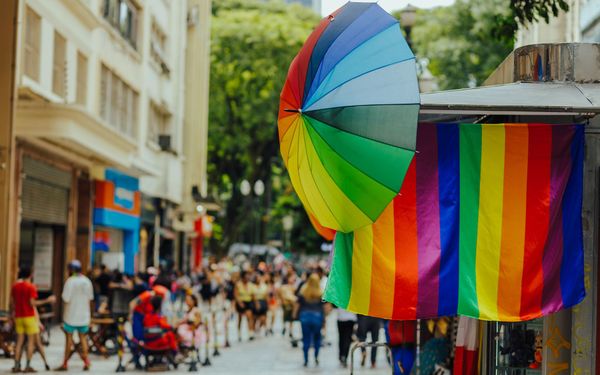
Going to Pride Alone: Plan Your First Visit at Your Own Pace
Going to Pride alone is common, and it can give you room to decide what feels right. A simple plan for arrival, breaks and your journey home helps you stay open to the day.
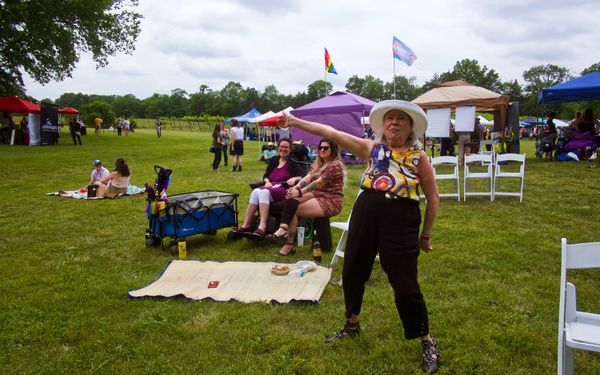
Volunteering at Pride: What happens behind the scenes
Pride events rely on people at information points, around the venue and behind the scenes. This guide helps you choose a role and arrive with realistic expectations.
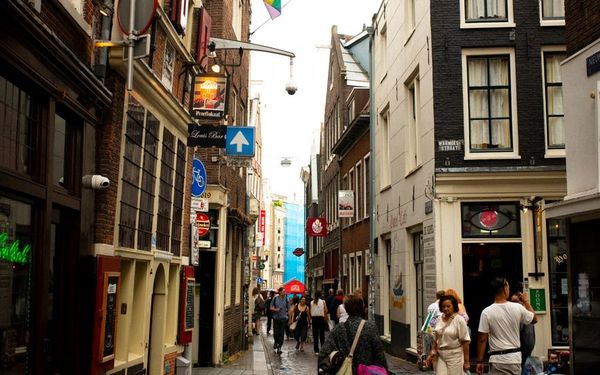
Pride is a public assembly, not a favour
Pride is often festive, but it is also a way to gather publicly and demand equality. What that means for organisers and visitors.