
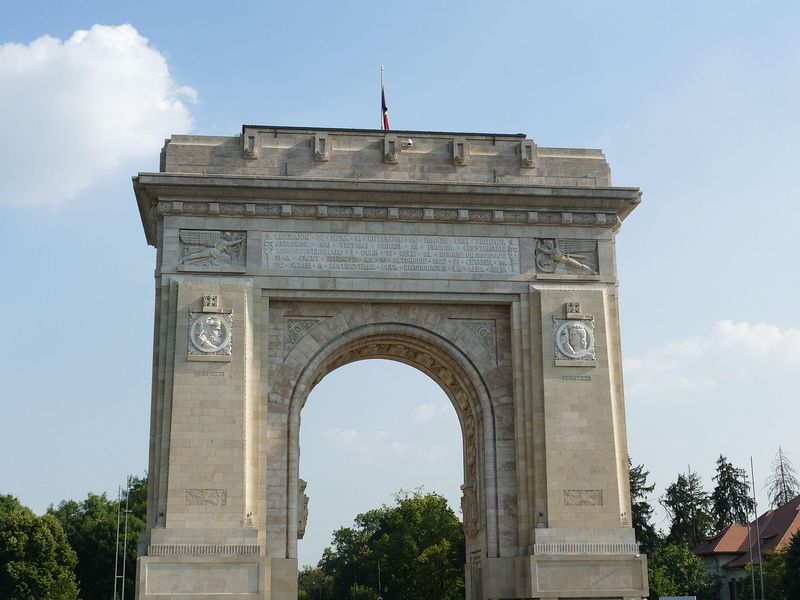
Hotels around Bucharest
Tap the map for prices and availability.
About Bucharest
Bucharest is the main Pride city in Romania. The event is run by Asociația ACCEPT, the country's first and longest-running LGBTQIA+ organisation. ACCEPT has worked for around three decades and has organised Bucharest Pride every year for about two. Pride takes place in June and lasts roughly ten days. Partner venues across the city host film screenings, theatre and dance, exhibitions, workshops, debates and sports activities. During the festival a garden in the city centre serves as a daily meeting point called the Pride Hub.
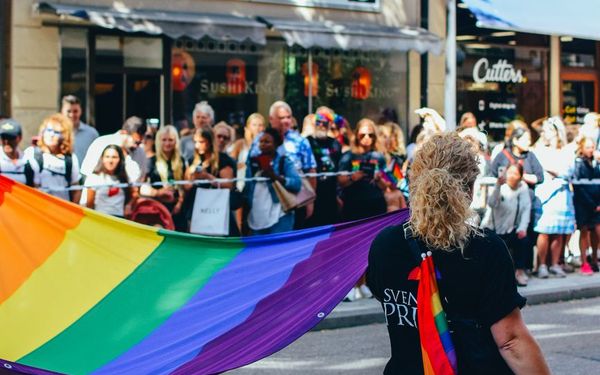
The march through the centre closes the programme. Its recent route ran along Calea Victoriei and Piața Națiunilor Unite to the Palace of the Parliament and Izvor Park. On the final two days the park hosts Pride Park, with a stage programme, workshops and installations. Attendance has grown: one recent edition drew about 25,000 people, and organisers expected more than 30,000 at the latest one. Before the march, ACCEPT runs a public consultation and publishes the results as a manifesto of demands to politicians.
MozaiQ is the second large LGBTQIA+ association based in Bucharest. It works on rights in family life, education, health and political participation, campaigns against anti-LGBTQ bills and has filed criminal complaints over hate messages displayed in the city.
The legal situation is still difficult. Romania does not recognise same-sex couples in any form, with neither marriage nor registered partnership available. In the Coman case, the Court of Justice of the EU ruled that a same-sex spouse married elsewhere in the EU has the same right of residence in Romania as any other spouse. The European Court of Human Rights later found that Romania violates the Convention because it offers same-sex couples no legal protection at all. Parliament has not passed a law in response. Discrimination based on sexual orientation, however, is banned by law in employment, education, services and other areas.
Bucharest Pride – frequently asked questions
Calea Victoriei – United Nations Square – Izvor Park

From the magazine
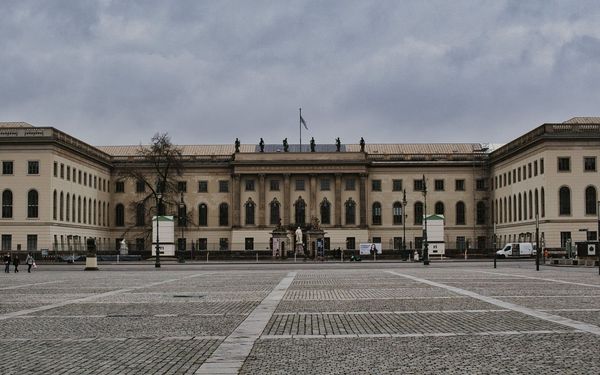
Magnus Hirschfeld and His Institute: What Was Lost on 6 May 1933
Long before Stonewall, Berlin had a place where homosexual people found advice and recognition. How the Institute for Sexual Science began and why it was destroyed in 1933.
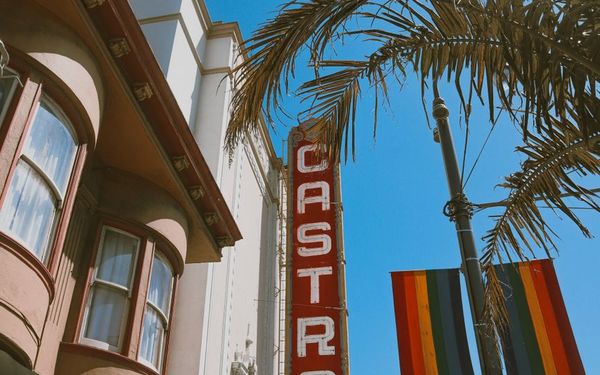
Harvey Milk and Proposition 6: The November 1978 Victory
In 1978 a California ballot measure would have forced queer teachers out of public schools. Harvey Milk fought it, and voters rejected it. What happened and what it has to do with Pride.
Brenda Howard and the Pride Week: Who Turned a Memorial March into a Tradition
After Stonewall, a march marked the anniversary in 1970, and later a whole week. Brenda Howard is named as one of the people behind it. What is documented and where the title Mother of Pride stays disputed.