
2027 date
The date has not been confirmed yet. Expected September 2027
You will find the date here as soon as it is confirmed. Already know it? Let us know.
Belgrade Pride 2026
Hotels around Belgrad
Tap the map for prices and availability.
About Belgrade Pride
Few Pride marches in Europe have had as difficult a history as Belgrade's. Early attempts to march publicly for queer rights were violently disrupted or banned outright, and for years the parade could only take place under heavy police protection, when it was allowed to happen at all. Today, Belgrade Pride moves through the Serbian capital as a fixture of the calendar, established enough that the city has even hosted a major international Pride event.
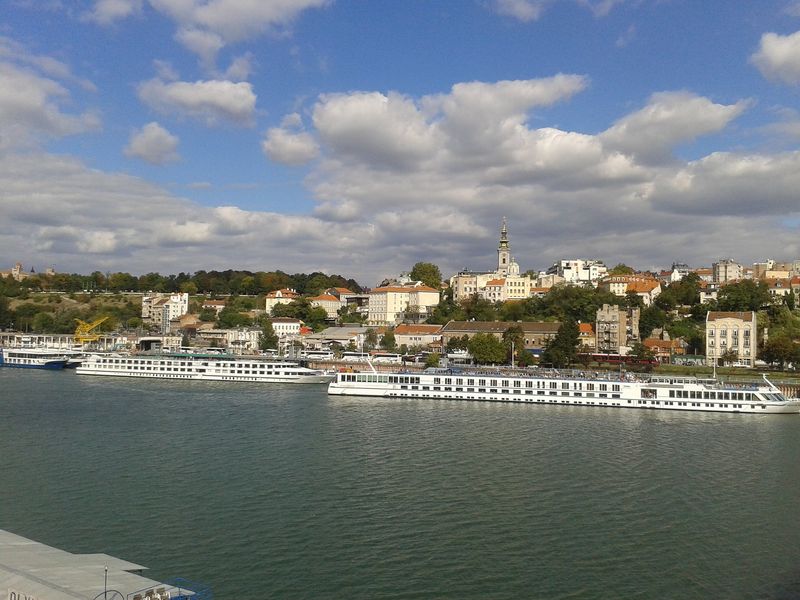
The march starts and ends at Manjež Park in central Belgrade. From there the route runs along Nemanjina Street past the Faculty of Law, continues along Bulevar Kralja Aleksandra, returns via Resavska and Kralja Milana streets past government buildings on Kneza Miloša Street, and loops back to the starting point. Several entry points along the surrounding streets let participants join the assembly area.
After the march, a stage programme follows in the park: speeches from within the community, artistic performances, and moments of collective reflection sit alongside music. Across the week surrounding the parade, exhibitions, theatre, talks, sports activities and parties round out the programme and spread visibility across more than a single day.
The event is organised by a team that works year-round for queer visibility in Serbia, in a social climate where that is still far from guaranteed. For many who join the march, it remains as much a political statement as a celebration.
About Belgrade
Belgrade, Serbia's vibrant capital, hosts a resilient Pride movement that stands as a beacon of hope for the LGBTQ+ community. Pride parades draw crowds marching through the city streets, advocating for equality, visibility, and an end to discrimination in a society marked by conservative influences. These events showcase courage and unity, transforming public spaces into platforms for change despite facing opposition.
The local LGBTQ+ history in Belgrade began with underground gatherings where individuals shared stories and built quiet support networks. Over time, these evolved into structured organizations focused on advocacy, education, and community building. Activists collaborate with global partners to push for policy reforms and greater societal acceptance. Accompanying the parades are cultural highlights like art exhibitions, music performances, and panel discussions that celebrate queer diversity and creativity.
For English-speaking visitors, Belgrade Pride offers a profound experience of solidarity and inspiration. Travelers from the UK, US, and beyond join to support the local scene, drawn by its tenacity and spirit. The events connect with international Pride networks, fostering a sense of global kinship. Participants often highlight the warmth of the community and the electric atmosphere during marches, where chants and rainbow flags fill the air.
The Pride season features a range of activities, from lively parties to thoughtful seminars on health, rights, and intersectionality. Belgrade's scene welcomes newcomers with open arms, providing safe spaces to connect and explore. It's a reminder of the ongoing struggle and triumphs in the fight for LGBTQ+ rights, making it a must-visit for those passionate about queer activism worldwide.
Belgrade Pride – frequently asked questions
Start and finish: Manjež Park. Route along Nemanjina Street, past the Faculty of Law, continue along Kralja Aleksandra Boulevard, back along Resavska and Kralja Milana Streets, past government buildings on Kneza Miloša Street, back to Manjež Park.
Nearby Prides
From the magazine

Bringing a sign to Pride: Make your point without shutting others out
A Pride sign can make a demand visible without blocking other people out. Practical choices about wording, size, photography and shared space make it work better.
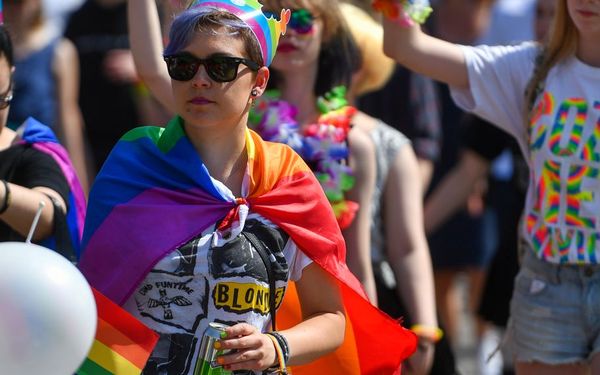
Queer and Seeking Refuge: Why Pride Is a Place of Arrival
For people who fled persecution because of who they are, Pride can be the first place where living openly feels safe. This guide covers the background, the support landscape and what organizers and fellow marchers can do to make the welcome real.
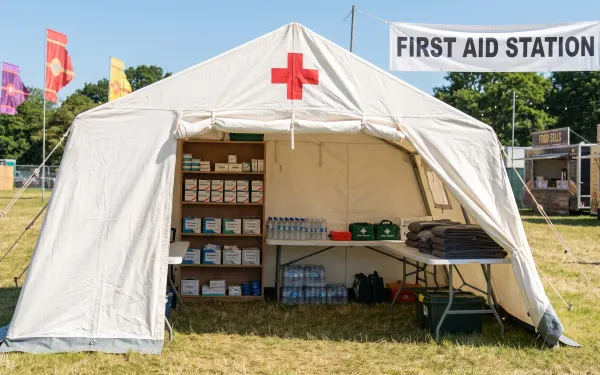
First Aid at Pride: How to Prepare Before You Go
Pride is a long, hot, crowded day. Most incidents stay minor — if organizers provide proper medical cover and attendees know when to ask for help. A practical guide to preparation, heat illness and dense crowds.