

Cape Town Pride programme
Start at Alfred Street in De Waterkant; destination is the Green Point Track.
Festival at the Green Point Track after the parade.
Hotels around Kapstadt
Tap the map for prices and availability.
About Cape Town Pride
Cape Town Pride ranks among the most established Pride celebrations on the African continent. OUTReach Africa, a volunteer-run body behind several other LGBTIQ+ events and publications in the greater Cape Town area, organizes the whole affair without paid staff.
The parade costs nothing to join. Its accompanying Mardi Gras celebration does charge admission, and that revenue helps keep the event running year after year. Marchers set off from the so-called Rainbow Fence on Somerset Road in De Waterkant — widely seen as the unofficial heart of the city's queer scene — before moving along Somerset Road and Granger Bay Boulevard toward the Green Point Track. Food stalls and craft vendors wait there for visitors as the Mardi Gras festivities continue.
Each edition carries its own theme. Past mottos have ranged from tributes to African diversity to calls for international solidarity within the queer community, and the practice underlines how deliberately inclusive the event tries to be. Beyond the march itself, Cape Town Pride runs a wider program of parties, festivals, and community gatherings that show off the full range of the local scene.
For South Africa's LGBTIQ+ community, none of this is just a street party. It is one of the few chances to be visibly, unguardedly present in public — and a marker of the country's comparatively progressive legal standing on the continent. Attending the parade means witnessing a living chapter of South African civil rights history, not merely a festival.
About Cape Town
Cape Town, South Africa's vibrant Mother City, stands as a beacon for Pride celebrations across the continent. The Cape Town Pride events feature dazzling parades, cultural festivals, and lively parties that highlight the resilience and joy of the LGBTQ+ community. Thousands march through the streets, waving rainbow flags and advocating for equality, blending local flavors with international solidarity. These gatherings celebrate South Africa's pioneering role in LGBTQ+ rights on the African continent.
The local LGBTQ+ history in Cape Town is rooted in overcoming decades of oppression during apartheid, when queer individuals faced severe marginalization. Post-democracy, the community flourished, bolstered by a constitution that explicitly protects against discrimination based on sexual orientation. Organizations behind Cape Town Pride organize not just festivities but also educational workshops, art exhibitions, and panels addressing issues like health access and community safety.
For English-speaking visitors, Cape Town Pride offers an accessible and exhilarating experience. The events unfold against stunning backdrops like Table Mountain, with beach parties at places like Clifton blending Pride vibes with natural beauty. The inclusive atmosphere welcomes global travelers, fostering connections through shared stories and dances. Parades wind through vibrant neighborhoods, showcasing drag performances, music, and activism that resonate universally.
The movement emphasizes intersectionality, exploring how race, gender, and sexuality intersect in post-apartheid society. Local artists and performers bring African rhythms to the forefront, creating unforgettable nights. Cape Town Pride is a testament to progress, drawing inspiration from the city's diverse heritage while pushing for greater acceptance across Africa. It's a space where love triumphs, inviting everyone to join the celebration of authentic selves.
Cape Town Pride – frequently asked questions
From Alfred Street via Somerset Road and Main Road to the Green Point Track

From the magazine
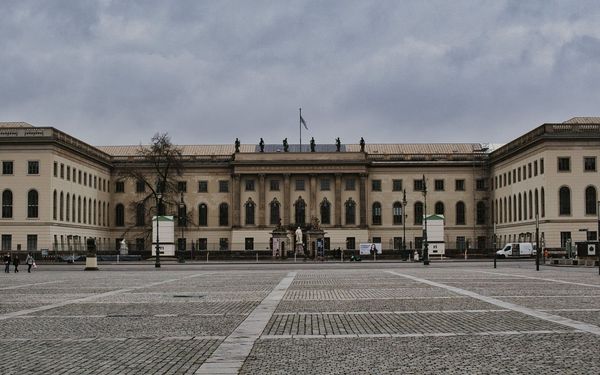
Magnus Hirschfeld and His Institute: What Was Lost on 6 May 1933
Long before Stonewall, Berlin had a place where homosexual people found advice and recognition. How the Institute for Sexual Science began and why it was destroyed in 1933.
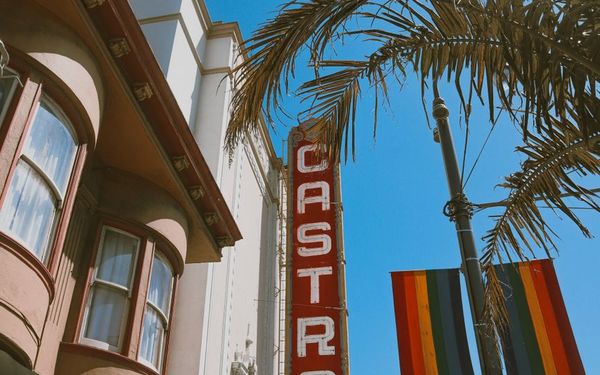
Harvey Milk and Proposition 6: The November 1978 Victory
In 1978 a California ballot measure would have forced queer teachers out of public schools. Harvey Milk fought it, and voters rejected it. What happened and what it has to do with Pride.
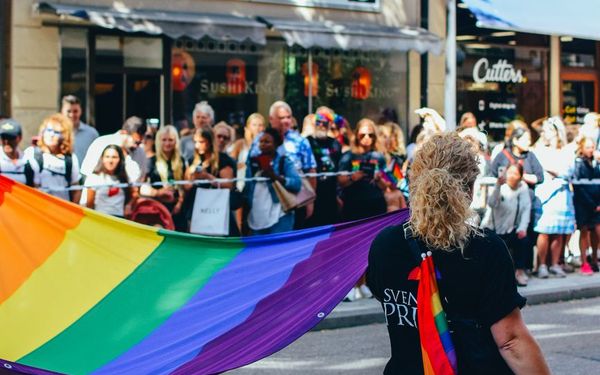
Brenda Howard and the Pride Week: Who Turned a Memorial March into a Tradition
After Stonewall, a march marked the anniversary in 1970, and later a whole week. Brenda Howard is named as one of the people behind it. What is documented and where the title Mother of Pride stays disputed.