
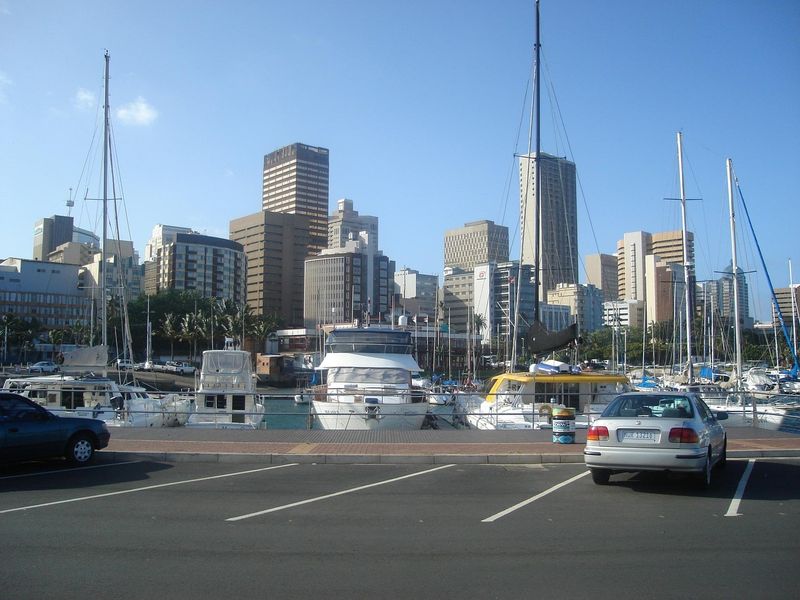
Hotels around Durban
Tap the map for prices and availability.
About Durban
Durban Pride takes place every year at the end of June, in the international Pride month, and has been running for more than a decade. It is led by Nonhlanhla Mkhize, who also directs the Durban Lesbian and Gay Community and Health Centre. Supporters include the eThekwini Municipality, the South African National AIDS Council (SANAC) and the Department of Health.
The centrepiece is the march through the city centre. Recently it set off from the amphitheatre on the beachfront; in earlier years it started at City Hall and ended at Gugu Dlamini Park behind The Workshop shopping centre. More than a thousand people have joined recent marches, many travelling from other parts of the country or from abroad.
Durban Pride is markedly political. Its demands cover access to health services, safety, housing and jobs for queer people. Violence is a major theme: queer people in KwaZulu-Natal are repeatedly targeted in hate crimes, especially in the townships. One march included a prayer ceremony for dozens of people who had been killed. One motto was #SingabantuNathi, isiZulu for "we are people too", or #HumanToo in English.
The legal backdrop is unique in Africa. South Africa's constitution was the first in the world to explicitly ban discrimination based on sexual orientation, and same-sex couples can marry. That everyday life often lags behind the law is one reason people march in Durban every year.
From the magazine
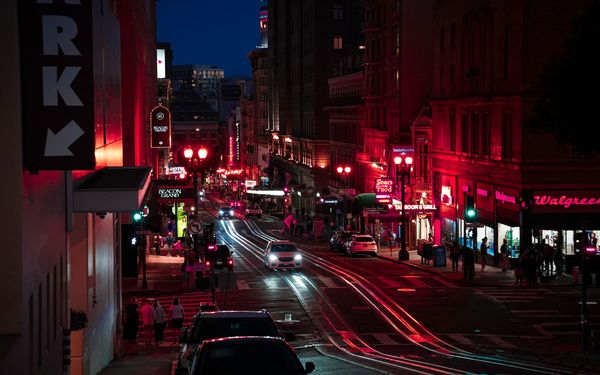
Compton's Cafeteria 1966: The Uprising That Began Three Years Before Stonewall
In August 1966, trans women and drag queens in a San Francisco cafeteria fought back against police harassment. What is documented, what is not, and why the story came back so late.
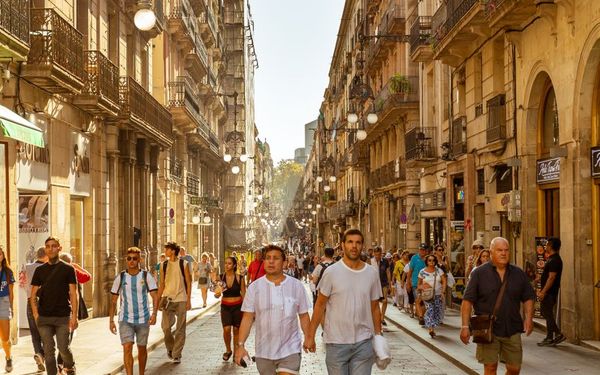
Barcelona 1977: Spain's First Pride March on La Rambla
On 26 June 1977, several thousand people marched without permission up La Rambla in Barcelona and demanded the end of a law that criminalised homosexuality. What happened and what came of it.
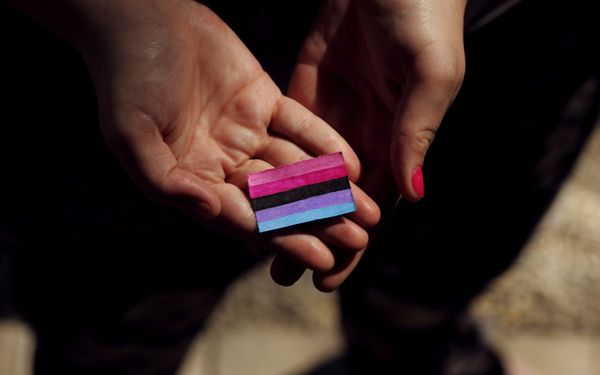
Bi Visibility Day and the Bi Flag: Where They Come From and What They Mean
23 September is Bi Visibility Day. Who started it, what the pink, purple and blue flag stands for, and how you can make bisexual people visible at Pride and in everyday life.