
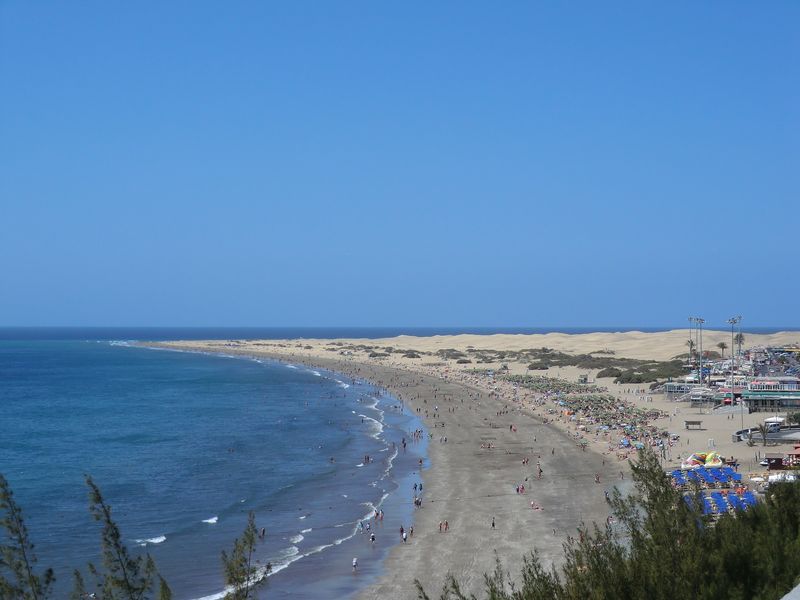
Hotels around Maspalomas
Tap the map for prices and availability.
About Maspalomas
Maspalomas on Gran Canaria stands as a vibrant hub for the LGBTQ+ community in Spain, drawing crowds from across the globe to its iconic Pride celebrations. Local Pride events, centered around the Yumbo Center in Playa del Inglés, feature a spectacular parade, themed parties, live concerts, and dazzling drag performances that transform the streets into a riot of color and joy. These gatherings highlight the area's commitment to visibility, equality, and celebration, making it one of Europe's premier queer destinations.
The local LGBTQ+ history in Maspalomas traces back to eras of societal repression during Spain's authoritarian past, when queer lives were lived in secrecy. The transition to democracy opened doors for openness, especially on the cosmopolitan Canary Islands. The Yumbo Centrum evolved from a simple shopping complex into the epicenter of gay nightlife, with bars, clubs, and spaces organically created by the community itself. Supported by local businesses and the San Bartolomé de Tirajana municipality, these developments positioned Maspalomas as a year-round haven for queer travelers.
For English-speaking visitors, particularly from the UK and other anglophone regions, Maspalomas offers a welcoming escape with its sunny beaches, relaxed vibe, and international appeal. The famous dunes serve as a natural meeting spot, blending naturist freedom with queer cruising culture. Pride events emphasize inclusivity, fostering a sense of belonging amid pool parties, boat trips, and beach bashes. The scene thrives on its mix of European influences, creating an atmosphere where everyone can express themselves freely under the island's eternal sunshine.
Ultimately, Pride in Maspalomas embodies liberation and community spirit, a beacon for LGBTQ+ rights that combines festive energy with meaningful advocacy. It's a place where history meets hedonism, inviting global visitors to join the endless summer of pride.
Maspalomas Pride – frequently asked questions
From the magazine
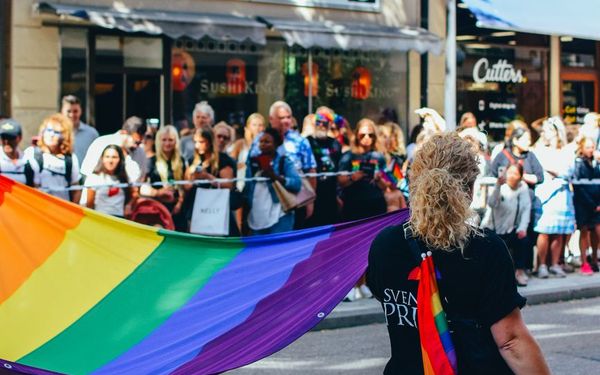
Brenda Howard and the Pride Week: Who Turned a Memorial March into a Tradition
After Stonewall, a march marked the anniversary in 1970, and later a whole week. Brenda Howard is named as one of the people behind it. What is documented and where the title Mother of Pride stays disputed.
Compton's Cafeteria 1966: The Uprising That Began Three Years Before Stonewall
In August 1966, trans women and drag queens in a San Francisco cafeteria fought back against police harassment. What is documented, what is not, and why the story came back so late.
Barcelona 1977: Spain's First Pride March on La Rambla
On 26 June 1977, several thousand people marched without permission up La Rambla in Barcelona and demanded the end of a law that criminalised homosexuality. What happened and what came of it.