

2027 date
The date has not been confirmed yet. Expected September 2027
You will find the date here as soon as it is confirmed. Already know it? Let us know.
Hotels around Falun
Tap the map for prices and availability.
About Falun Pride
Dala Pride is the queer festival of the Dalarna region in central Sweden, grown out of what used to be Falu Pride — a one-day event that has since expanded into a full festival week. It's run by RFSL Dalarna, the regional branch of Sweden's national federation for the rights of homosexual, bisexual and transgender people.
Over the course of the week, the programme includes talks, workshops, exhibitions, theatre and dance performances, and panel discussions — most of them in Falun, with a few extra events in Borlänge and Hedemora. Everything is free to attend, and individuals generally don't need to register in advance. The week builds towards a Saturday parade through Falun that draws people from across the whole region, from established organisations to individuals who simply join in on the day.
Dala Pride describes itself as explicitly norm-critical, intersectional and cross-border: less a celebration on its own and more a shared demonstration for human rights and the right to be yourself, held in a largely rural region where queer visibility is otherwise thin on the ground outside festival week.
After the parade, a Pride House traditionally opens with exhibitors and stalls, followed by a rainbow service at one of Falun's churches. In the evening, a late-night programme with DJs carries the celebrations on. Organisations that want to take part in the parade can register through a dedicated contact address.
About Falun
In Falun, a picturesque city in central Sweden, the Pride movement thrives as a vibrant expression of the local LGBTQ+ community. Falun Pride, sometimes called Dala Pride, features colorful parades winding through the streets, filled with music, flags, and joyful celebration. These events unite residents and visitors in advocating for equality, acceptance, and diversity, creating a welcoming space for self-expression and solidarity.
The history of Falun's queer scene reflects Sweden's pioneering role in LGBTQ+ rights. In the culturally rich Dalarna region, the community has grown from intimate gatherings to public festivals that embrace openness. Local organizers host workshops, concerts, and art exhibits exploring identity, love, and social inclusion. For English-speaking audiences, particularly from places like the UK or US, Falun Pride offers a refreshing contrast to larger urban events—intimate yet impactful, blending Scandinavian reserve with heartfelt passion.
Parades typically culminate in parks or town squares, followed by parties, talks, and performances that highlight community stories. The movement emphasizes mental health support, allyship, and intersectionality, drawing inspiration from Sweden's progressive laws. Visitors appreciate the safe, inclusive vibe, where locals share traditions like folk music infused with queer themes. Falun's events foster connections, making it ideal for travelers seeking authentic experiences away from mainstream tourism.
Year-round, the community maintains networks for support and cultural activities, often tying into Sweden's natural beauty with outdoor gatherings. English speakers will find friendly interactions, as many locals are multilingual and eager to share their welcoming culture. Falun Pride stands as a beacon of joy and resilience, inviting everyone to join the march toward a more inclusive world.
Falun Pride – frequently asked questions
Nearby Prides
From the magazine
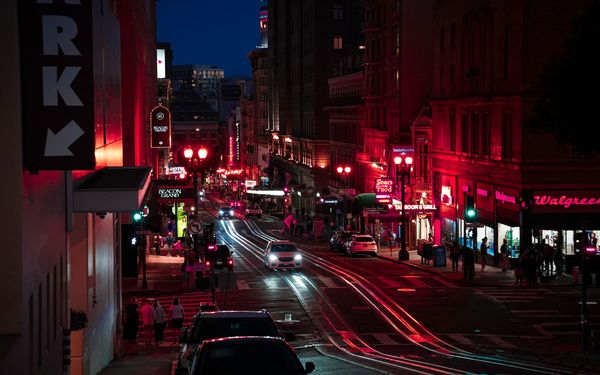
Compton's Cafeteria 1966: The Uprising That Began Three Years Before Stonewall
In August 1966, trans women and drag queens in a San Francisco cafeteria fought back against police harassment. What is documented, what is not, and why the story came back so late.
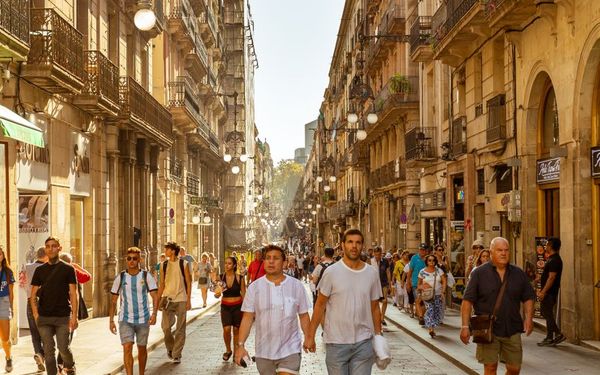
Barcelona 1977: Spain's First Pride March on La Rambla
On 26 June 1977, several thousand people marched without permission up La Rambla in Barcelona and demanded the end of a law that criminalised homosexuality. What happened and what came of it.
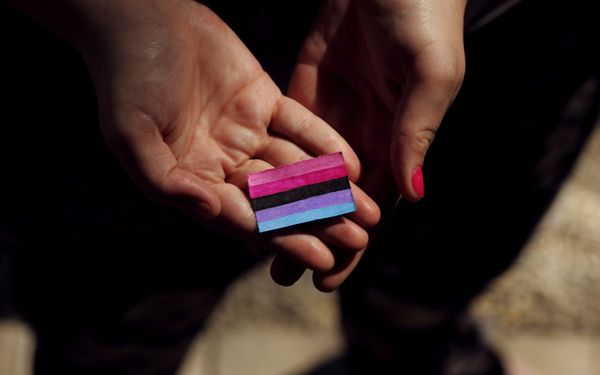
Bi Visibility Day and the Bi Flag: Where They Come From and What They Mean
23 September is Bi Visibility Day. Who started it, what the pink, purple and blue flag stands for, and how you can make bisexual people visible at Pride and in everyday life.