
Hotels around Västerås
Tap the map for prices and availability.
About Vaesteras
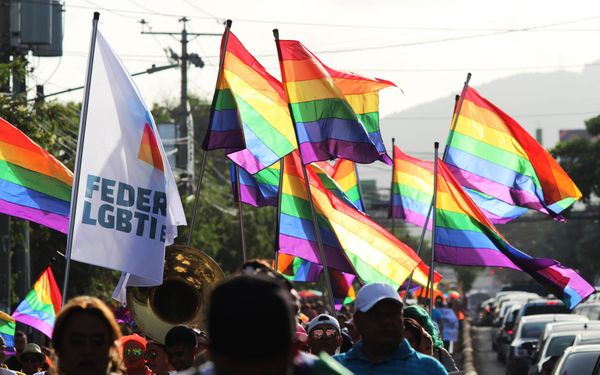
Västerås, a vibrant city in central Sweden, hosts Pride events that celebrate the LGBTQ+ community with parades, festivals, and cultural gatherings. The annual Pride parade winds through the city's streets, drawing locals and visitors to honor diversity, love, and equality in a welcoming atmosphere.
The local LGBTQ+ history in Västerås traces back to grassroots efforts where individuals formed support networks amid societal challenges. These evolved into organized events fostering visibility and advocacy. Influenced by Sweden's progressive stance, Västerås Pride emphasizes ongoing issues like everyday heteronormativity, mental health, and inclusion, even in a country with strong legal protections.
For English-speaking audiences, particularly from the UK or US, Västerås offers a refreshing take on Pride. Smaller than mega-events like those in London or New York, it provides an intimate experience with community-driven activities such as talks, performances, and art exhibits. Visitors appreciate the Scandinavian emphasis on work-life balance, making Pride a relaxed yet impactful affair. Themes often explore global queer stories, resonating with international travelers seeking authentic connections.
The festival features a Pride Park-like hub with concerts, seminars on topics like hate crimes, and family-friendly zones. Police participation in rainbow attire symbolizes safety and support. Västerås Pride builds bridges across generations and backgrounds, creating spaces for dialogue and celebration. It's a hidden gem for those wanting to experience Nordic queer culture up close, blending festivity with meaningful activism.
Vaesteras Pride – frequently asked questions
From the magazine
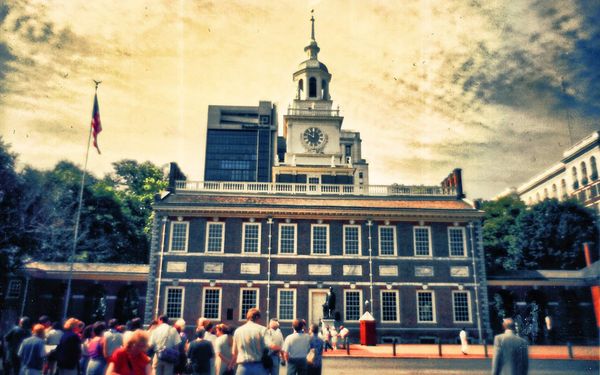
The Annual Reminder, 1965 to 1969: The Pickets at Independence Hall Four Years Before Stonewall
Long before Stonewall, people in suits and dresses stood in front of Independence Hall in Philadelphia and demanded equal rights, every 4 July. The story of the Annual Reminder and why it ended in 1969.
Gilbert Baker and the First Rainbow Flag: Eight Stripes, 1978
How a request from Harvey Milk became the rainbow flag, why it began with eight stripes, and what survives of the two originals.
The Wolfenden Report 1957: Why Britain Needed Ten Years to Decriminalise Gay Sex
In 1957 a committee recommended ending criminal penalties for private sex between consenting adult men. The Sexual Offences Act followed only in 1967 and covered just England and Wales.