
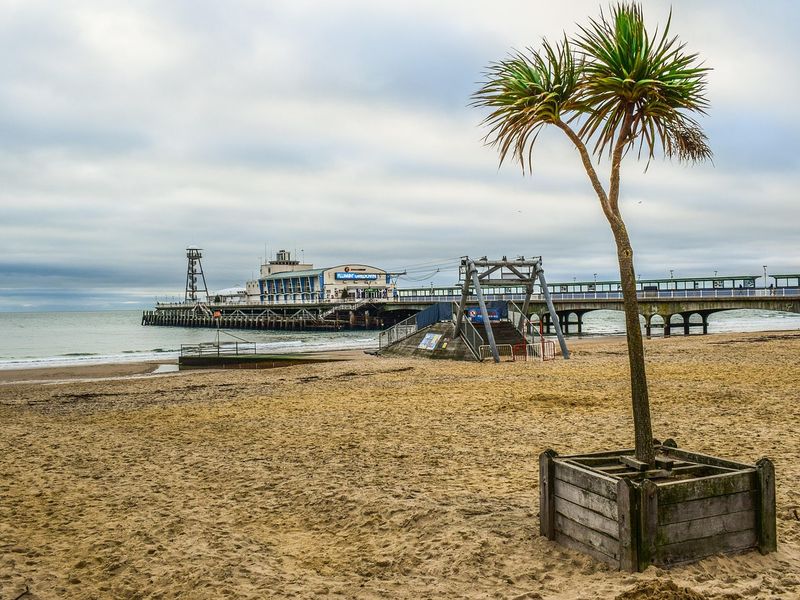
Hotels around Bournemouth
Tap the map for prices and availability.
About Bournemouth
Bournemouth's Pride is called Bourne Free. It began when a far-right group announced it would come to the town to campaign against homosexuality. Local LGBTQ+ people answered with a day of their own in the Lower Gardens: performances at the bandstand, a silence for victims of hate crime and the town's first Pride march. What started as a one-off response became an annual festival. It is run by a registered charity whose trustees and volunteers work without paid staff.
The festival takes place in July and now spans three days in Meyrick Park. Friday evening is for over-18s, with DJ sets and cabaret. On Saturday the parade, which the organisers describe as the longest in Dorset, sets off from the East Cliff and moves through the town centre up to the park, where the main stage runs into the evening. Sunday is a family day with children's activities and information tents. Bournemouth University sends its own group to walk in the parade.
Bournemouth also has a link to the story of Lesbians and Gays Support the Miners, although the group itself was founded in London and worked there. At a Labour Party conference held in Bournemouth shortly after the miners' strike, a motion supporting lesbian and gay rights was carried, helped by the block vote of the National Union of Mineworkers. That support is widely credited to the solidarity LGSM had built up during the strike.
In England, same-sex couples have largely equal rights. They can marry or form a civil partnership and adopt children jointly. The Equality Act protects people from discrimination on grounds of sexual orientation and gender reassignment. Changing legal gender requires a Gender Recognition Certificate, a process widely seen as slow.
Nearby Prides
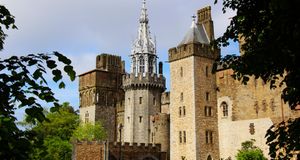
Cardiff Pride 2027 / Pride Cymru in Cardiff 2027
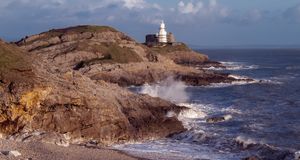
Swansea Pride 2027 / Swansea Pride Wales 2027
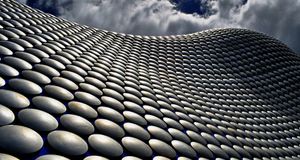
Birmingham Pride 2027
From the magazine
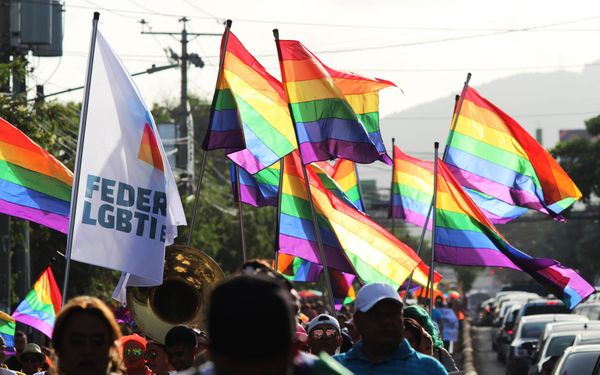
Gilbert Baker and the First Rainbow Flag: Eight Stripes, 1978
How a request from Harvey Milk became the rainbow flag, why it began with eight stripes, and what survives of the two originals.
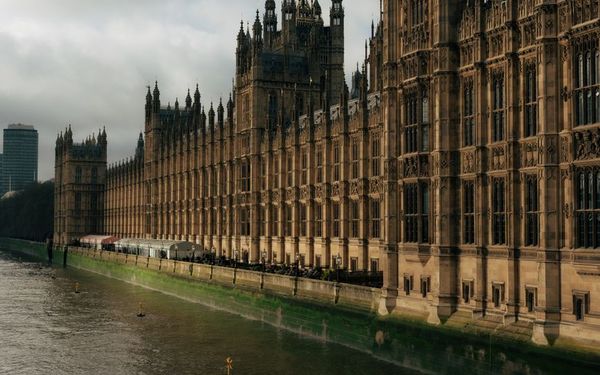
The Wolfenden Report 1957: Why Britain Needed Ten Years to Decriminalise Gay Sex
In 1957 a committee recommended ending criminal penalties for private sex between consenting adult men. The Sexual Offences Act followed only in 1967 and covered just England and Wales.
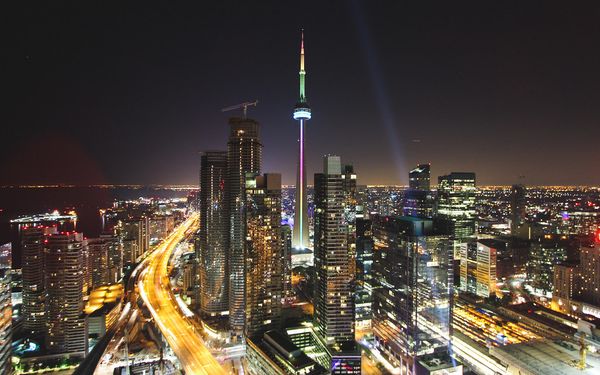
Toronto 1981: The Bathhouse Raids and the Protests Behind Toronto Pride
On 5 February 1981 Toronto police raided four gay bathhouses and arrested close to 300 men. What happened, how the sources count it, and how the protests connect to Toronto Pride.