
Nottingham Pride 2027
Nottingham Pride programme
Collection at the Listergate.
Start at Listergate, destination Sneinton Market.
DJ set to kick things off, followed by live acts.
Live music, poetry and comedy.
Stands of associations and local exhibitors.
Hotels around Nottingham
Tap the map for prices and availability.
About Nottingham Pride
Notts Pride is run by the charity Nottinghamshire Pride and organized entirely by volunteers. Entry is free, and the event is one of the largest Pride gatherings in the East Midlands.
The day starts with a march that gathers at Listergate in the city center and heads to Sneinton Market, a market district east of downtown. Once the march arrives, the stage programme takes over the area around Sneinton Market Square. The main stage alternates between DJ sets and live acts, while the smaller Grove Stage on Freckingham Street hosts music, spoken word and comedy. Stalls from community groups, charities and local traders line the Sneinton Market Avenues.
Nottinghamshire Pride grew out of an earlier event in the region and has since become a fixture on the local LGBTQ+ calendar. It presents itself publicly as Notts Pride, with the motto "Visibility, Education, Celebration."
Unlike many Pride events that split the march and the party across different parts of a city, Notts Pride keeps both close together. The march and the stage programme flow into each other in the same Sneinton district, so the shift from the political demonstration to the festival feels continuous rather than staged. Visitors who join the march at Listergate in the morning end up, by afternoon, right in the middle of the stages and market stalls without needing to travel anywhere else.
About Nottingham
Nottingham's Pride is called Notts Pride and is organised by Nottinghamshire Pride, a registered charity that describes itself as one of the leading LGBTQ+ charities in the East Midlands. Its event is the largest free Pride in the region. It takes place every year on a Saturday at the end of July, and entry costs nothing.
The day opens with the Notts Pride March, which sets off around midday through the city centre. Anyone from the LGBTQ+ community can join, and allies are welcome too. Charities, unions and businesses register in advance as groups and pay a contribution scaled to their size, which helps cover the cost of the march. Individuals simply turn up.
After the march the action moves to Sneinton Market and Sneinton Square, just east of the centre. The main stage is there, along with a second stage, and musicians and drag performers fill the afternoon. Community groups, charities and traders run stalls in the market area. People who want to help can sign up with the organisers as volunteers.
The charity's motto is Visibility, Education, Celebration. It sees Pride as a way to remember the community's history and to make its voice heard, not just as a street party. The event is funded by sponsors, stall fees and donations.
Outside Pride weekend there is support all year round. Notts LGBT+ Network, also a registered charity, runs a helpline, points people towards social and support groups and keeps a directory of services and venues. For a drink after the festivities, The New Foresters on St Ann's Street is the city's oldest LGBT+ bar, and The Lord Roberts on Broad Street is another favourite with the local scene.
Nottingham Pride – frequently asked questions
The parade starts at Listergate in the city centre and ends at Sneinton Market, where the stage programme takes place afterwards.

Nearby Prides

Birmingham Pride 2027

Swansea Pride 2027 / Swansea Pride Wales 2027

Derby Pride 2026
Nottinghamshire Pride 2026
From the magazine
Brenda Howard and the Pride Week: Who Turned a Memorial March into a Tradition
After Stonewall, a march marked the anniversary in 1970, and later a whole week. Brenda Howard is named as one of the people behind it. What is documented and where the title Mother of Pride stays disputed.
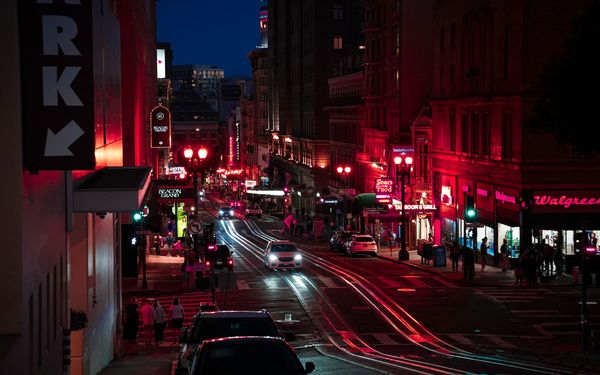
Compton's Cafeteria 1966: The Uprising That Began Three Years Before Stonewall
In August 1966, trans women and drag queens in a San Francisco cafeteria fought back against police harassment. What is documented, what is not, and why the story came back so late.
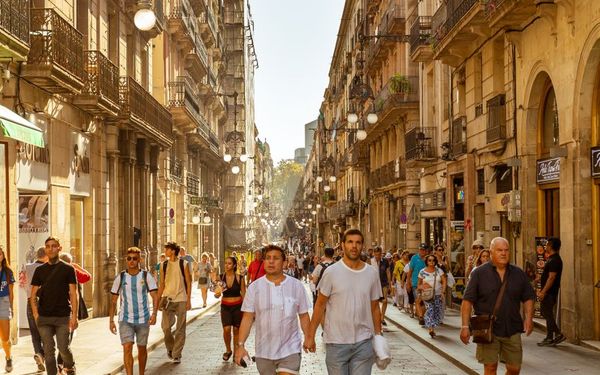
Barcelona 1977: Spain's First Pride March on La Rambla
On 26 June 1977, several thousand people marched without permission up La Rambla in Barcelona and demanded the end of a law that criminalised homosexuality. What happened and what came of it.