
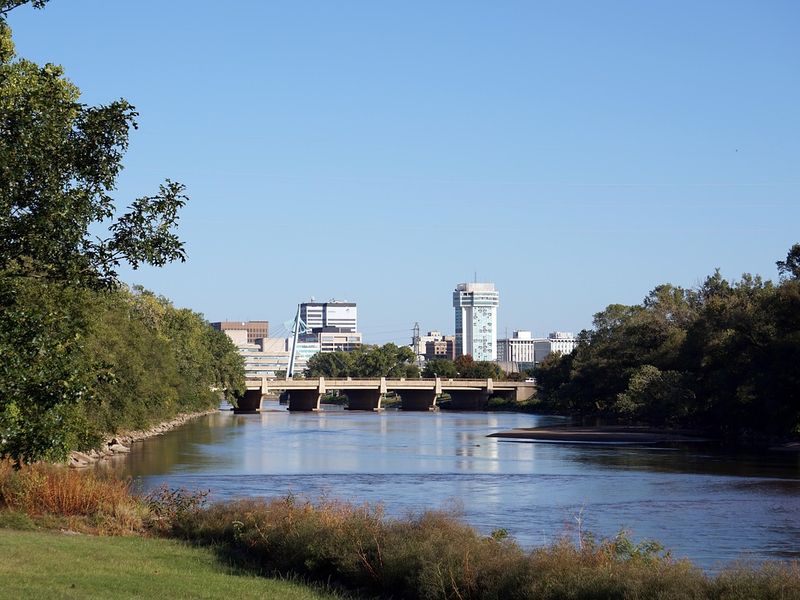
Hotels around Wichita
Tap the map for prices and availability.
About Wichita
Pride in Wichita is organized by Wichita Pride, a volunteer-run nonprofit that holds events for the LGBTQ+ community of south-central Kansas throughout the year. The high point is Pride weekend in June, built around a parade and a festival on a Saturday. Smaller formats round out the calendar, such as a prom for queer youth.
The day begins at the historic Sedgwick County Courthouse downtown, where a rally hosted by the statewide civil rights group Equality Kansas takes place before the start. Then the parade gets moving: the route is roughly one mile long, runs south on Main Street to Douglas Avenue, turns right there and ends in front of Century II. Organizations, groups, businesses and individuals who register in advance can take part; participants wear a Pride button, which is also required at the festival.
Right after the parade, around noon, the festival opens at Century II, the convention and performing arts center on the Arkansas River. A main stage features performers from the region, including drag artists, bands and DJs. Inside the hall, vendors sell their goods, many of them LGBTQ+-owned small businesses, while nonprofits, support services and advocacy groups share information about their work. Food and drinks are served on site. According to the organizers, thousands of people gather each year, which makes Pride one of the largest community events in the city.
Wichita sits in a conservative state, so the organizers put an emphasis on safety and accessibility: the festival has ADA-accessible areas, and planning is coordinated with the city police department. Anyone who wants to attend will find dates, the program and registration each spring through Wichita Pride's channels. For the rest of the year, the downtown LGBTQ+ community center, The Center of Wichita, serves as a meeting place for local groups, Wichita Pride among them.
Nearby Prides
From the magazine
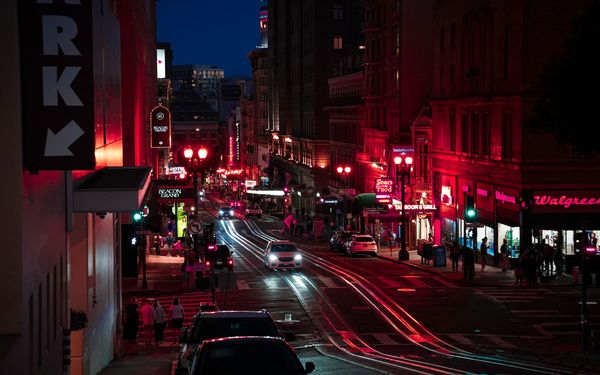
Compton's Cafeteria 1966: The Uprising That Began Three Years Before Stonewall
In August 1966, trans women and drag queens in a San Francisco cafeteria fought back against police harassment. What is documented, what is not, and why the story came back so late.
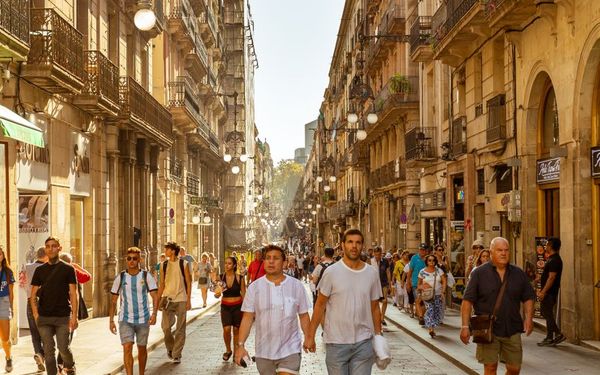
Barcelona 1977: Spain's First Pride March on La Rambla
On 26 June 1977, several thousand people marched without permission up La Rambla in Barcelona and demanded the end of a law that criminalised homosexuality. What happened and what came of it.
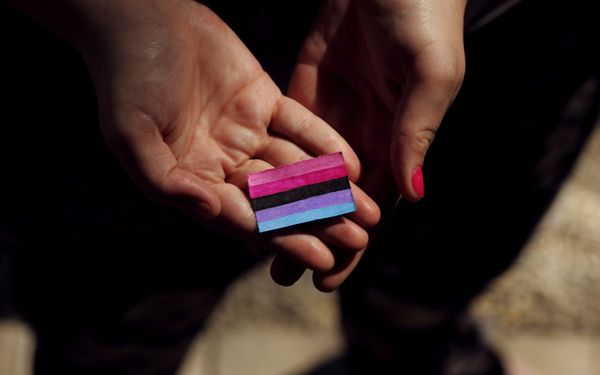
Bi Visibility Day and the Bi Flag: Where They Come From and What They Mean
23 September is Bi Visibility Day. Who started it, what the pink, purple and blue flag stands for, and how you can make bisexual people visible at Pride and in everyday life.