
Hotels around Cochabamba
Tap the map for prices and availability.
About Cochabamba
Pride in Cochabamba is first of all a street demonstration. Around 28 June, the international day of sexual and gender diversity pride, groups from the LGBTI community march through the city centre. Local newspapers described an evening march that started where Avenida San Martín meets Avenida Heroínas, went along El Prado and ended at Plaza de las Banderas. There is music, make-up, glitter, feathers and costumes, even though June nights in the valley get cold.
Several collectives organise the march, among them Colectivo DSG Cochabamba. In one past year the organisers counted fifteen participating groups, five more than the year before. The Defensoría del Pueblo (the national ombudsman's office) and the city government also took part. Turnout is modest. This is not a Pride of tens of thousands like in the big Pride cities.
Politically, the march follows the demands of the national movement. The Colectivo LGBT de Bolivia called for marches in several cities at once, with Cochabamba, La Paz and Santa Cruz marching on 28 June. The main demand back then was a civil union law for same-sex couples and legal recognition for families that Bolivian family law left out. The slogan was "Mi familia, mis derechos, mi diversidad" (my family, my rights, my diversity). According to activists, Bolivia's first Pride marches took place in Santa Cruz; Cochabamba followed later.
If you are in town in June, follow the local collectives on social media. Date, time and route are announced there at short notice and change from year to year.
Nearby Prides
From the magazine
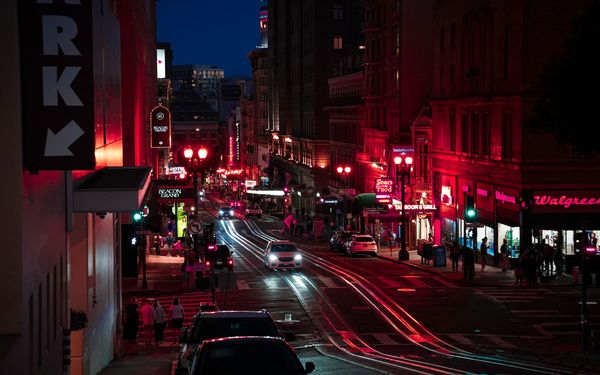
Compton's Cafeteria 1966: The Uprising That Began Three Years Before Stonewall
In August 1966, trans women and drag queens in a San Francisco cafeteria fought back against police harassment. What is documented, what is not, and why the story came back so late.
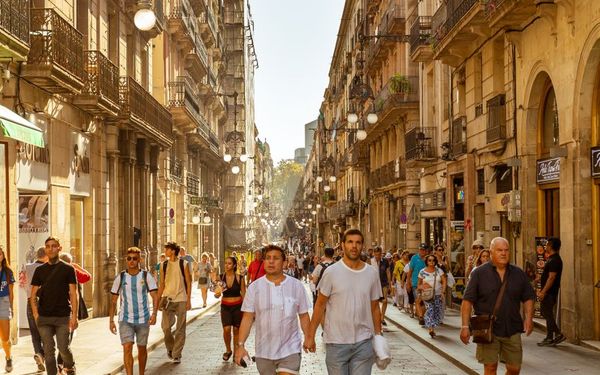
Barcelona 1977: Spain's First Pride March on La Rambla
On 26 June 1977, several thousand people marched without permission up La Rambla in Barcelona and demanded the end of a law that criminalised homosexuality. What happened and what came of it.
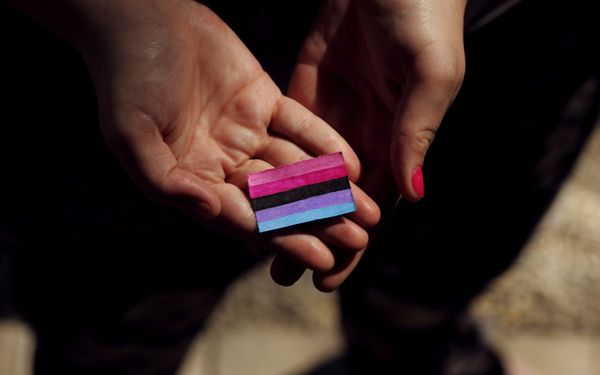
Bi Visibility Day and the Bi Flag: Where They Come From and What They Mean
23 September is Bi Visibility Day. Who started it, what the pink, purple and blue flag stands for, and how you can make bisexual people visible at Pride and in everyday life.