
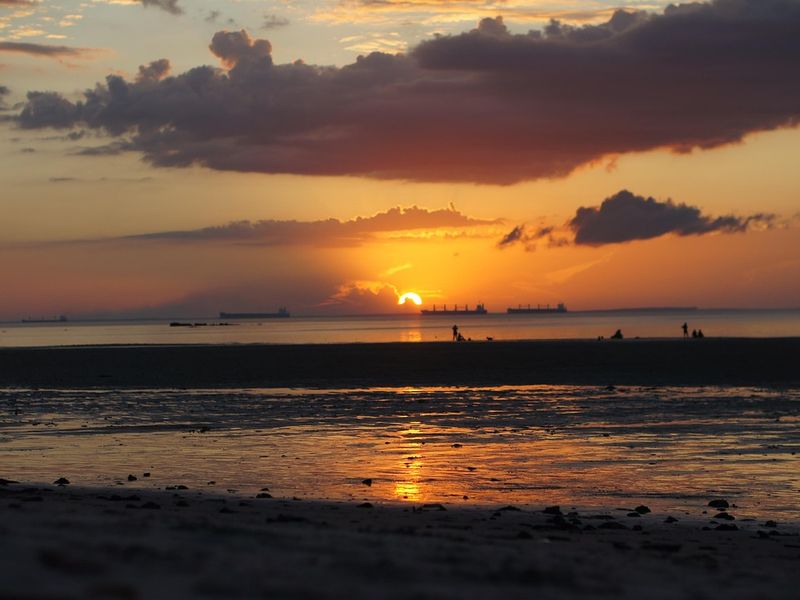
Hotels around Belém
Tap the map for prices and availability.
About Belem Pride
Belém's Pride parade is considered the largest LGBT+ event in northern Brazil. It's organized by the Grupo Homossexual do Pará (GHP), a group that grew out of the local movement that first put together a parade of this kind in the city.
The march traditionally starts at Doca de Souza Franco, a waterfront promenade in the Umarizal district, and heads toward downtown. The exact end point shifts from year to year, often toward the historic Ver-o-Peso market complex or one of the city's central squares.
As with Prides elsewhere in Brazil, trio elétrico trucks, mobile sound systems with a stage on top, move through the streets, accompanied by drag performances and live music from local artists. The program usually closes with a concert at the final destination featuring regional performers.
What began as a modest gathering has grown, over the years, into an event that in good years brings tens of thousands of people onto the streets. The Belém city council has formally recognized the parade as intangible cultural heritage, a step that reflects how firmly the event is established in the city's cultural life. It's traditionally supported by the city administration and local security forces, who coordinate road closures and security along the route.
For Belém, the parade is a visible sign of queer life in a region where LGBT+ issues rarely take center stage.
About Belem
Belém's biggest queer event is the Parada do Orgulho LGBTI+ do Pará. It used to be called the Parada do Orgulho LGBTI+ de Belém and now carries the name of the whole state, but it still takes place in the capital. It is organised by the Grupo Homossexual do Pará (GHP), a group that has campaigned for LGBTI+ rights in the state for many years.
The parade is held on a Sunday in September. People gather on Avenida Visconde de Souza Franco, which locals simply call the Doca. In the afternoon the trios elétricos, the large sound trucks that also drive Brazilian carnival, set off along Avenida Marechal Hermes and end at Praça Waldemar Henrique. The route is about two kilometres long, and the day is filled with music, live shows and drag performances. Each edition has its own theme.
The parade has official standing in the city. Belém's municipal council passed a law recognising it as part of the city's intangible cultural heritage. The municipal guard, the military police and the fire brigade work together on safety along the route.
Belém sits almost on the equator, so September is hot and humid, and light clothing, water and sun protection matter more than any costume. The GHP announces the date and theme ahead of each parade, so it is worth checking with the organisers before you travel.
Belem Pride – frequently asked questions


From the magazine
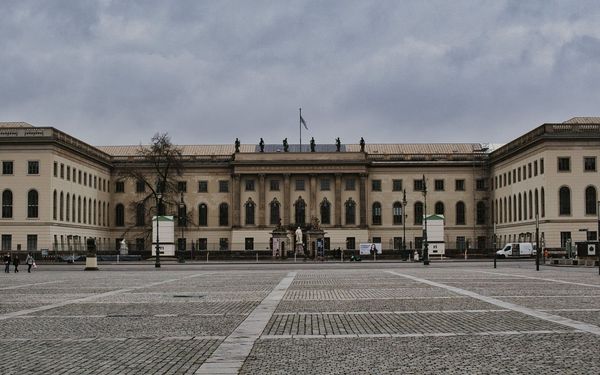
Magnus Hirschfeld and His Institute: What Was Lost on 6 May 1933
Long before Stonewall, Berlin had a place where homosexual people found advice and recognition. How the Institute for Sexual Science began and why it was destroyed in 1933.
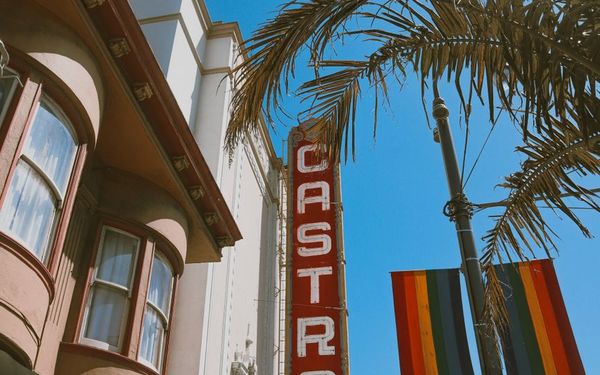
Harvey Milk and Proposition 6: The November 1978 Victory
In 1978 a California ballot measure would have forced queer teachers out of public schools. Harvey Milk fought it, and voters rejected it. What happened and what it has to do with Pride.
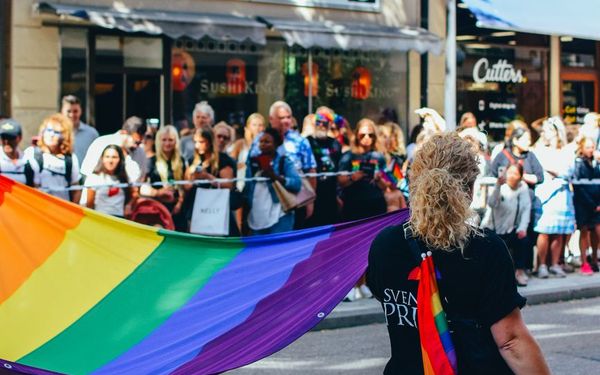
Brenda Howard and the Pride Week: Who Turned a Memorial March into a Tradition
After Stonewall, a march marked the anniversary in 1970, and later a whole week. Brenda Howard is named as one of the people behind it. What is documented and where the title Mother of Pride stays disputed.