

Hotels around Betim
Tap the map for prices and availability.
About Betim
Betim, a vibrant city in the heart of Brazil, boasts a thriving LGBTQ+ community that celebrates Pride with passion and resilience. Pride events, known locally as Paradas do Orgulho LGBT, draw crowds from across the region, transforming streets into a sea of colors, music, and dance. These parades highlight the joy of self-expression while advocating for equality and against discrimination, echoing Brazil's rich carnival heritage.
The local LGBTQ+ history in Betim mirrors the broader Brazilian movement, with roots in grassroots organizing inspired by pioneering groups in major cities like São Paulo and Salvador. Community members have built networks of support, starting from informal gatherings to bold public demonstrations. These efforts have fostered safe spaces where queer individuals can connect, share stories, and push for rights, including anti-violence measures and family recognition. Betim's scene emphasizes unity, blending local flavors with universal themes of love and acceptance.
For English-speaking visitors, Betim offers an authentic dive into Brazilian queer culture with accessible vibes. The parades feature high-energy performances, from samba beats to modern pop, creating an inclusive atmosphere where international travelers feel welcome. Community centers host workshops on health, activism, and arts, providing deeper insights into local struggles and triumphs. English-friendly guides and expat groups often bridge cultural gaps, making it easy to join floats or after-parties.
Pride in Betim stands as a beacon of progress, where diverse voices unite to challenge societal norms. Events promote education on intersectional issues, like the overlap of queerness with race and class in Brazil. Visitors appreciate the warmth of locals, who embody a spirit of hospitality amid ongoing fights for legal protections. Whether marching in the parade or cheering from the sidelines, experiencing Pride here reveals the heartbeat of a community that's bold, creative, and unapologetically itself.


From the magazine
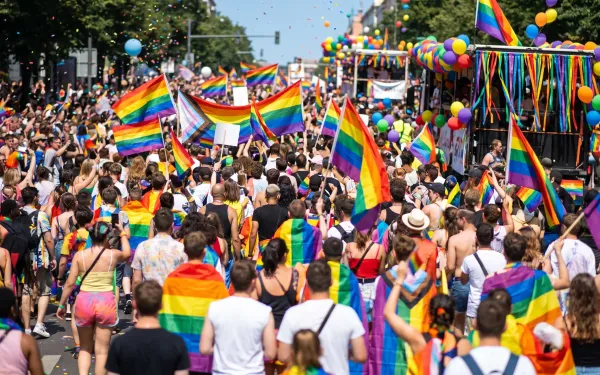
Germany's First Pride (1979): From a Nervous March to a National Tradition
On June 30, 1979, about 450 people marched in Berlin for the first time on the anniversary of Stonewall. A look back at the start of Germany's Pride tradition, the fight against Paragraph 175 and the road to a mass demonstration.
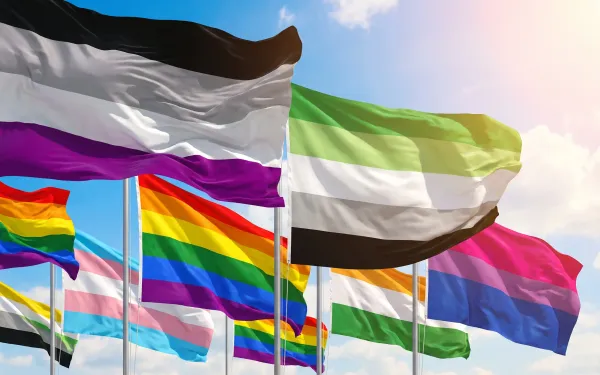
Asexual and Aromantic: What the A in LGBTQIA+ Actually Means
The A in LGBTQIA+ stands for asexual, aromantic and agender, not ally. What these orientations mean, where they differ, and why their visibility at Pride matters.

Pride Anthems: How These Songs Became the Soundtrack of Pride
"I Will Survive," "I'm Coming Out," "Born This Way" turn up at nearly every Pride event. The stories behind how these songs became anthems say a lot about the community that adopted them.