
Hotels around Curitiba
Tap the map for prices and availability.
About Curitiba Pride
Curitiba's Parada da Diversidade is considered one of the very first LGBT+ prides in Brazil. Its founding coincides with the creation of ABGLT, the national Brazilian LGBT+ association. What started as a small gathering of a few dozen people has grown, over the years, into an event that regularly draws tens of thousands to the city center.
The parade is organized by the Associação Paranaense da Parada da Diversidade (APPAD). It traditionally starts at Praça 19 de Dezembro in the city's Centro Cívico district and moves toward downtown, usually along Avenida Cândido de Abreu or Avenida Marechal Deodoro. The exact route changes from edition to edition.
As with many Brazilian Pride marches, trio elétrico trucks define the scene: large sound-and-stage vehicles carrying DJs, drag performers, and singers as the parade moves through central Curitiba. Each edition carries its own political theme drawn from current issues facing the LGBT+ movement, from voting rights to healthcare access to the concerns of older queer people.
The parade is well established in Curitiba's political and cultural life. The city council has discussed recognizing it as intangible cultural heritage on more than one occasion. It should not be confused with the separate Marcha pela Diversidade, a newer event in Curitiba run by a different organization and held at another point in the year.
About Curitiba
Curitiba holds two large queer marches each year. They are easy to confuse, but they are run by different groups, so anyone planning a Pride trip has two dates to choose from: late June and late September.
The older of the two is the Parada da Diversidade LGBTI+, organised by the Associação Paranaense da Parada da Diversidade (APPAD). It takes place in September and gathers in the city centre, for example at Praça Santos Andrade. APPAD describes the Parada as a political and social act as much as a celebration. Each edition has its own motto, and themes have ranged from democracy and voter mobilisation to ageing within the LGBTI+ community. The organisers chose Praça Santos Andrade on purpose, because the square has a long history of student protests and popular movements.
The second event is the Marcha pela Diversidade, held on the weekend around 28 June, the International LGBTI+ Pride Day. LGBT groups started it as a more openly political counterpart to the Parada. The march gathers at Praça 19 de Dezembro and heads to the Centro Cívico, the government district of Paraná's capital. Trios elétricos, the trucks with large sound systems familiar from Brazilian street parties, roll along with the crowd, and stages at the end host a long programme of performers into the evening.
Both events are free and open to everyone. The city closes streets in the centre and diverts bus routes while they are on, so check the city's traffic notices before heading out. Exact dates and meeting points are announced anew each year through the organisers' channels and the local press.
Curitiba Pride – frequently asked questions

From the magazine
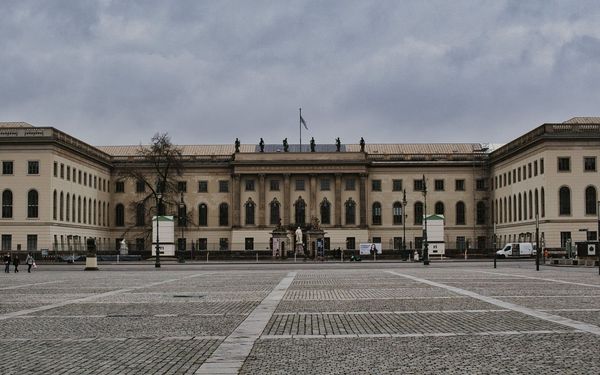
Magnus Hirschfeld and His Institute: What Was Lost on 6 May 1933
Long before Stonewall, Berlin had a place where homosexual people found advice and recognition. How the Institute for Sexual Science began and why it was destroyed in 1933.
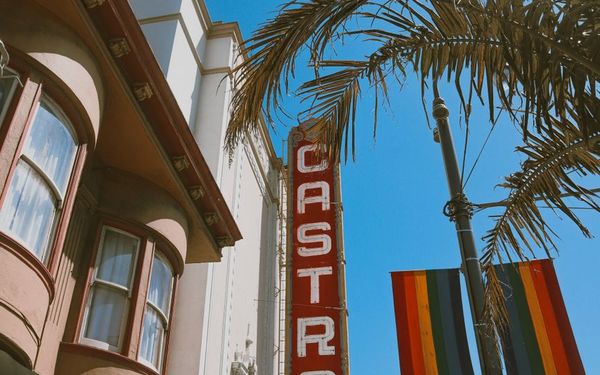
Harvey Milk and Proposition 6: The November 1978 Victory
In 1978 a California ballot measure would have forced queer teachers out of public schools. Harvey Milk fought it, and voters rejected it. What happened and what it has to do with Pride.
Brenda Howard and the Pride Week: Who Turned a Memorial March into a Tradition
After Stonewall, a march marked the anniversary in 1970, and later a whole week. Brenda Howard is named as one of the people behind it. What is documented and where the title Mother of Pride stays disputed.