
Hotels around Itaquaquecetuba
Tap the map for prices and availability.
About Itaquaquecetuba
Itaquaquecetuba, usually shortened to Itaquá by locals, lies east of São Paulo in the Alto Tietê region and is part of the wider metropolitan area. It is a large city of around 370,000 people, yet there is no documented, regularly held Pride parade with a known organizer and its own website. Queer residents who want to march or celebrate tend to look to the state capital instead.
The São Paulo LGBT Pride Parade runs along Avenida Paulista and has long been listed by Guinness World Records as the largest Pride parade in the world. For people in Itaquá it is the obvious big event, since the city is linked to central São Paulo by suburban rail and by road. The parade is a party and a political demonstration at the same time, with sound trucks, music and clear demands for protection against violence and discrimination.
Locally, the movement shows up in city politics. Itaquaquecetuba has set up a Municipal Council for Sexual Diversity, the Conselho Municipal da Diversidade Sexual, with equal seats for city officials and civil society. It sits within the municipal department for women, human rights and citizenship and is meant to propose and monitor policy. Alongside it there is a municipal fund that can finance projects on inclusion, job training, health, culture and education, and work against discrimination and violence based on sexual orientation or gender identity.
Anyone in Itaquá who wants to get involved in Pride activities, visibility work or local advocacy can turn to the municipal council and the responsible city department. For the big celebration itself, the route leads into São Paulo.

Nearby Prides

From the magazine
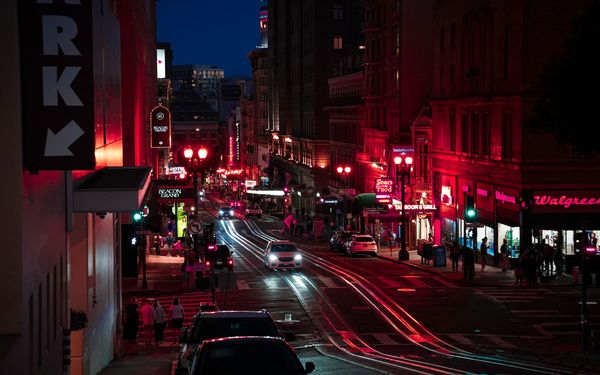
Compton's Cafeteria 1966: The Uprising That Began Three Years Before Stonewall
In August 1966, trans women and drag queens in a San Francisco cafeteria fought back against police harassment. What is documented, what is not, and why the story came back so late.
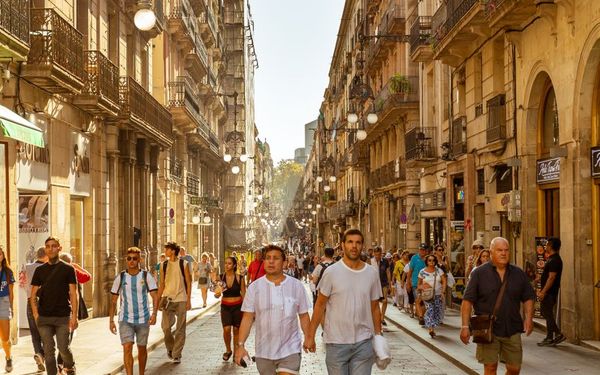
Barcelona 1977: Spain's First Pride March on La Rambla
On 26 June 1977, several thousand people marched without permission up La Rambla in Barcelona and demanded the end of a law that criminalised homosexuality. What happened and what came of it.
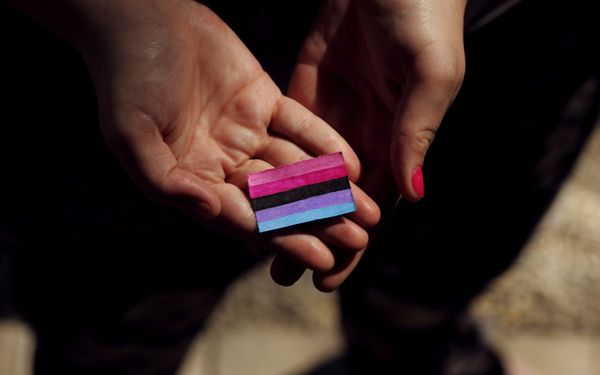
Bi Visibility Day and the Bi Flag: Where They Come From and What They Mean
23 September is Bi Visibility Day. Who started it, what the pink, purple and blue flag stands for, and how you can make bisexual people visible at Pride and in everyday life.