
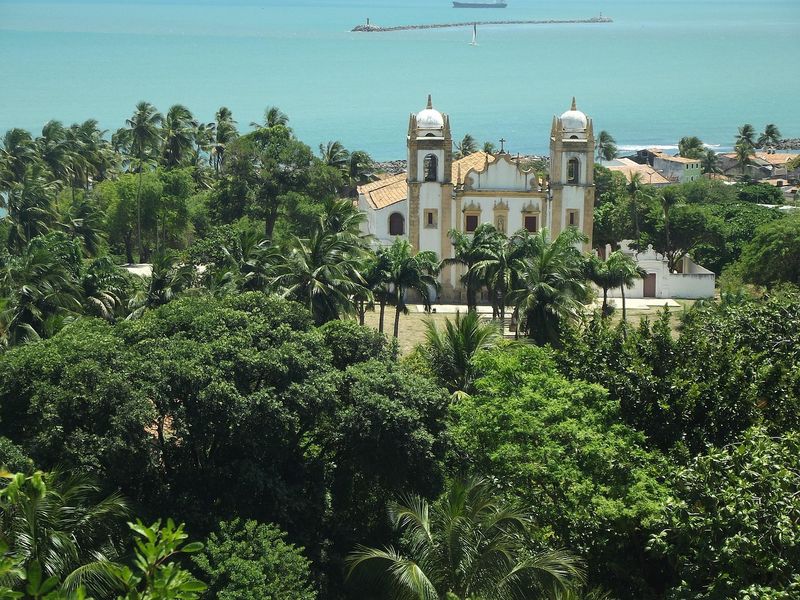
2027 date
The date has not been confirmed yet. Expected September 2027
You will find the date here as soon as it is confirmed. Already know it? Let us know.
Hotels around Recife
Tap the map for prices and availability.
About Recife Pride
The Parada da Diversidade de Pernambuco is one of the largest LGBTQ+ street parades in northeastern Brazil. It takes place every September in Recife, in the Boa Viagem district, with Parque Dona Lindu as its central gathering point.
The parade is organized by a coalition of queer groups and activists from Pernambuco. What started as a small demonstration has grown over the years into one of the key dates on the region's queer calendar. At its biggest editions, press reports put attendance at up to 50,000 people, marching alongside sound trucks and dance groups. Between the trucks, speeches call for equal rights for the LGBTI+ community and draw attention to discrimination and violence against queer people in Pernambuco.
The city government of Recife has since recognized the parade as part of the city's intangible cultural heritage, following years of debate in the municipal council about the event's importance to the local LGBTI+ movement. The recognition hasn't changed the parade's core character: it remains first and foremost a political demonstration carried by activists, even as music, dance, and a street festival have become part of it over time.
Parque Dona Lindu, on Avenida Boa Viagem, is the fixed starting point for anyone planning to attend.
About Recife
Recife, a vibrant coastal city in northeastern Brazil, boasts a dynamic Pride movement and thriving LGBTQ+ community with deep roots in local activism. Pioneering groups emerged early on, challenging discrimination and building solidarity in a region influenced by conservative religious traditions. These efforts fostered a resilient scene that draws crowds for its colorful celebrations and calls for equality.
The Pride parade in Recife is a spectacular highlight, winding through iconic neighborhoods like Boa Viagem and the historic center. Participants fill the streets with music, dance, and vibrant floats, advocating against homophobia and for rights like marriage equality and family recognition. The event blends joyous festivity with activism, echoing Brazil's carnival spirit while addressing ongoing social challenges.
Local history reflects a journey from underground gatherings to public visibility, with organizations providing support, education, and advocacy. Pride events often feature performances by drag artists, samba groups, and community choirs, creating an inclusive space for all identities. For English-speaking visitors, the city's welcoming vibe stands out, with many events offering multilingual elements and connections to global queer networks.
Beyond the main parade, year-round activities include art exhibitions, discussions on trans rights, and beach parties that highlight Recife's tropical allure. The movement emphasizes intersectionality, linking LGBTQ+ issues with racial justice and women's empowerment in this diverse metropolis. Travelers from English-speaking countries appreciate the blend of beach culture and bold activism, making Recife a must-visit for Pride enthusiasts seeking authentic experiences.
Recife's Pride embodies resilience and celebration, transforming public spaces into arenas of empowerment and unity.
Recife Pride – frequently asked questions


From the magazine

Bringing a sign to Pride: Make your point without shutting others out
A Pride sign can make a demand visible without blocking other people out. Practical choices about wording, size, photography and shared space make it work better.
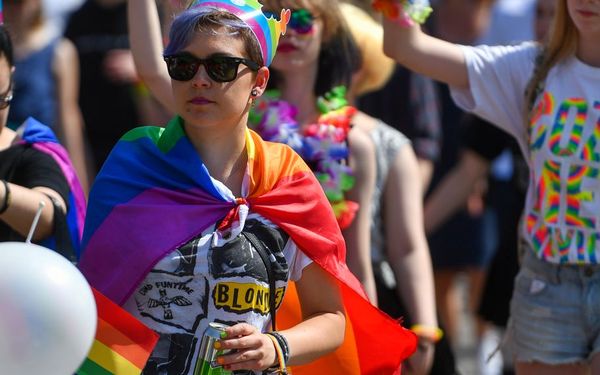
Queer and Seeking Refuge: Why Pride Is a Place of Arrival
For people who fled persecution because of who they are, Pride can be the first place where living openly feels safe. This guide covers the background, the support landscape and what organizers and fellow marchers can do to make the welcome real.
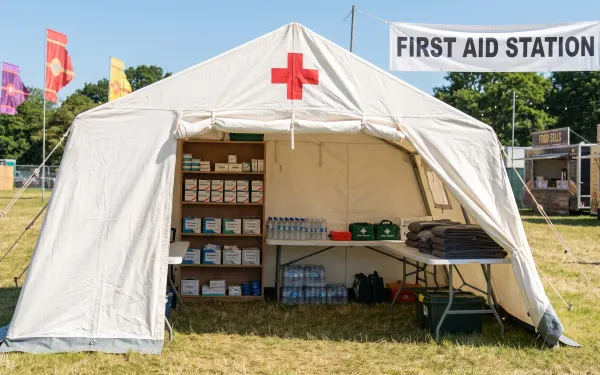
First Aid at Pride: How to Prepare Before You Go
Pride is a long, hot, crowded day. Most incidents stay minor — if organizers provide proper medical cover and attendees know when to ask for help. A practical guide to preparation, heat illness and dense crowds.