
2027 date
The date has not been confirmed yet. Expected September 2027
You will find the date here as soon as it is confirmed. Already know it? Let us know.
Hotels around Salvador
Tap the map for prices and availability.
About Salvador Pride
Salvador da Bahia's Pride parade is one of Brazil's most established Prides, organized by Grupo Gay da Bahia, the country's oldest still-active LGBT+ organization. The group was founded by activist Marcelo Cerqueira, who remains closely involved in shaping the parade to this day.
The event centers on Farol da Barra, the lighthouse on Salvador's Atlantic coast and one of the city's best-known landmarks. From there, the march follows the coastal road, led by trio elétrico trucks, the huge sound-system-and-stage vehicles familiar from Bahian carnival, carrying DJs, musicians, and singers as the parade moves through the city.
What began as small gatherings grew over the years into one of Brazil's biggest Pride events, at times drawing hundreds of thousands of people. Each edition carries its own political theme, often addressing violence against queer people, workplace discrimination, or aging within the community.
The parade is traditionally paired with a multi-day Semana da Diversidade, a diversity week featuring talks, film screenings, health services, and cultural events held across the city. For Salvador, a city with a long Afro-Brazilian cultural history, the parade is more than a street party: it links political protest with Bahia's musical traditions and puts queer life on display right in the center of town.
About Salvador
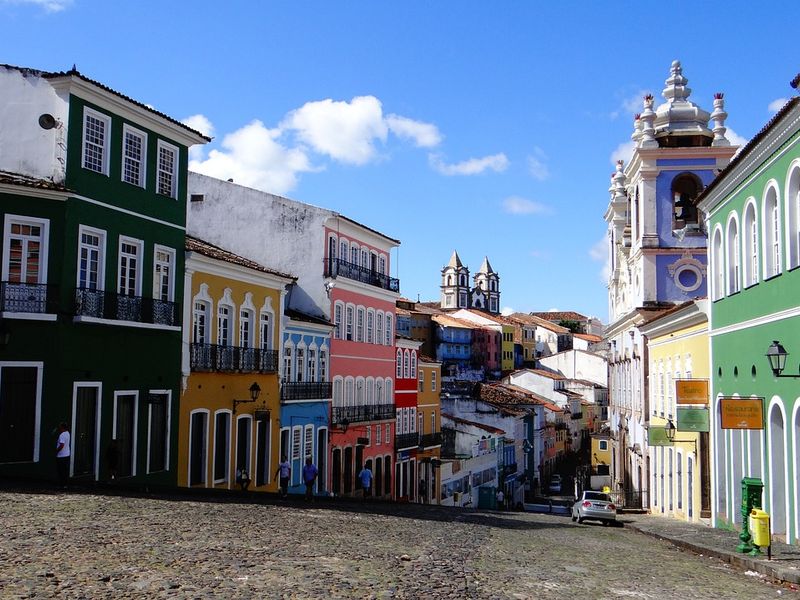
Salvador, Brazil's vibrant coastal gem in the northeast, pulses with the spirit of Pride events and a thriving LGBTQ+ community. Rooted in Afro-Brazilian heritage and Carnival vibes, local Pride parades transform the city into a riot of colors, samba beats, and calls for equality. These celebrations often kick off in the historic Pelourinho district, a UNESCO site blending colonial charm with lively street parties, drawing crowds from across the region.
The LGBTQ+ history in Salvador reflects resilience amid challenges. Influenced by Candomblé and Umbanda traditions—spiritual practices embracing queer expressions—the community has built strong networks. Activists highlight intersectional struggles, addressing violence, health access, and visibility for trans and non-binary folks. Pioneering figures, like trans pastors and advocates, inspire global change, fostering spaces for worship, family, and activism that resonate worldwide.
For English-speaking visitors, Salvador offers an exotic twist on Pride. Imagine parades rivaling those in major cities but infused with beachside energy and tropical rhythms. Travelers from the US, UK, and beyond join floats adorned with rainbow flags, enjoying beachfront after-parties and cultural workshops. The events emphasize joy and solidarity, with performances blending drag artistry, live music, and dance that capture Brazil's sensual soul.
Pride in Salvador isn't just a parade; it's a week-long festival of empowerment. Street fairs feature food stalls with acarajé and caipirinhas, alongside panels on queer rights in Latin America. Despite ongoing hurdles like discrimination, the movement thrives, celebrating love's diversity and inviting internationals to dance in unity under Bahia's sun-kissed skies.
Salvador Pride – frequently asked questions
From the magazine
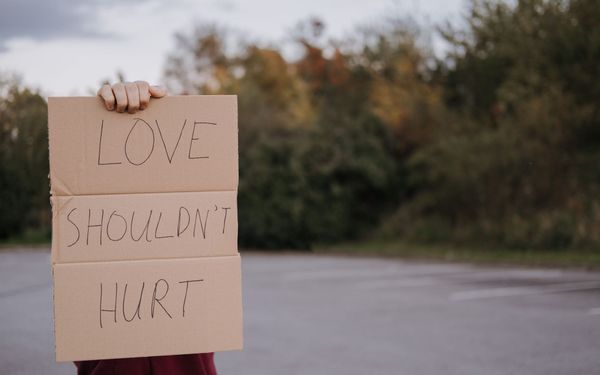
Bringing a sign to Pride: Make your point without shutting others out
A Pride sign can make a demand visible without blocking other people out. Practical choices about wording, size, photography and shared space make it work better.
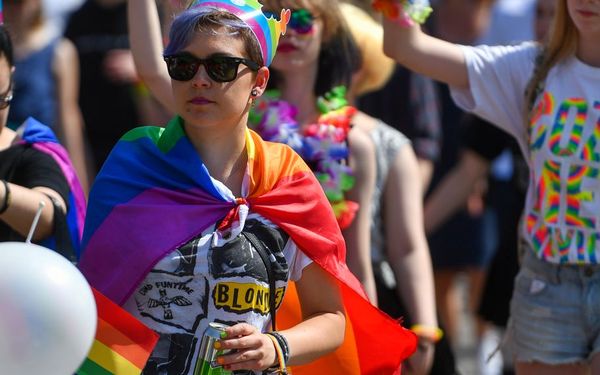
Queer and Seeking Refuge: Why Pride Is a Place of Arrival
For people who fled persecution because of who they are, Pride can be the first place where living openly feels safe. This guide covers the background, the support landscape and what organizers and fellow marchers can do to make the welcome real.
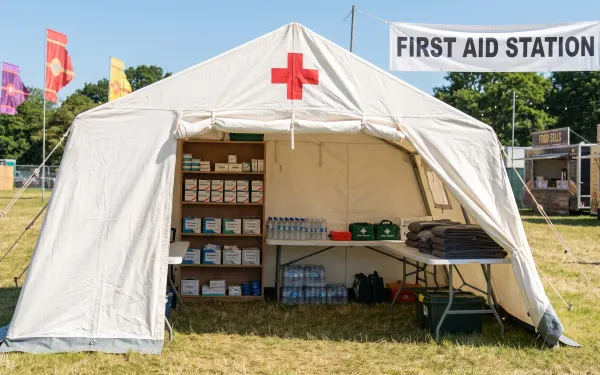
First Aid at Pride: How to Prepare Before You Go
Pride is a long, hot, crowded day. Most incidents stay minor — if organizers provide proper medical cover and attendees know when to ask for help. A practical guide to preparation, heat illness and dense crowds.