
Nottingham Pride 2027
Nottingham Pride programme
Collection at the Listergate.
Start at Listergate, destination Sneinton Market.
DJ set to kick things off, followed by live acts.
Live music, poetry and comedy.
Stands of associations and local exhibitors.
Hotels around Nottingham
Tap the map for prices and availability.
About Nottingham Pride
Notts Pride is run by the charity Nottinghamshire Pride and organized entirely by volunteers. Entry is free, and the event is one of the largest Pride gatherings in the East Midlands.
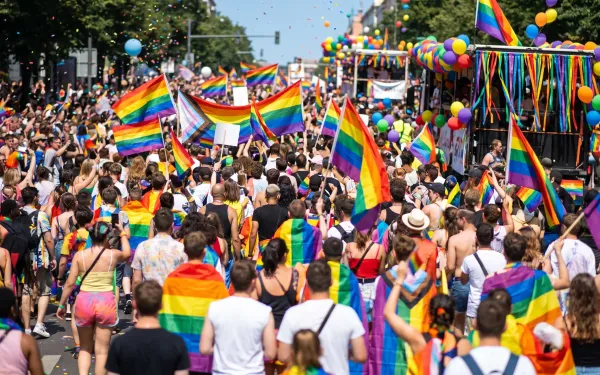
The day starts with a march that gathers at Listergate in the city center and heads to Sneinton Market, a market district east of downtown. Once the march arrives, the stage programme takes over the area around Sneinton Market Square. The main stage alternates between DJ sets and live acts, while the smaller Grove Stage on Freckingham Street hosts music, spoken word and comedy. Stalls from community groups, charities and local traders line the Sneinton Market Avenues.
Nottinghamshire Pride grew out of an earlier event in the region and has since become a fixture on the local LGBTQ+ calendar. It presents itself publicly as Notts Pride, with the motto "Visibility, Education, Celebration."
Unlike many Pride events that split the march and the party across different parts of a city, Notts Pride keeps both close together. The march and the stage programme flow into each other in the same Sneinton district, so the shift from the political demonstration to the festival feels continuous rather than staged. Visitors who join the march at Listergate in the morning end up, by afternoon, right in the middle of the stages and market stalls without needing to travel anywhere else.
About Nottingham
Nottingham Pride stands as a vibrant cornerstone of the city's LGBTQ+ scene, drawing crowds for its exuberant parade and festival that celebrate diversity and equality. The event features a lively march through key streets, filled with colorful floats, music, and performances that highlight community spirit and resilience. Beyond the parade, the festival offers family-friendly activities, live entertainment, and stalls promoting local queer artists and organizations.
The LGBTQ+ history in Nottingham is one of steady progress and community building. Local groups have long provided safe spaces, advocacy, and support, fostering a welcoming environment amid the city's student population and industrial heritage. Venues and events have evolved into hubs for expression, where stories of struggle and triumph are shared through art, discussions, and gatherings.
For English-speaking visitors, Nottingham Pride offers an authentic taste of British queer culture. Its inclusive vibe attracts people from across the UK and beyond, with stages showcasing drag shows, comedy, and music that resonate universally. The event emphasizes allyship, mental health awareness, and youth involvement, making it a forward-thinking celebration. Easy access via train from London or Manchester enhances its appeal as a Pride destination.
Nottingham's Pride embodies joy, activism, and unity, inviting everyone to join in the festivities. It's a place where the queer community thrives, blending history with contemporary flair in a city known for its creativity and openness.
Nottingham Pride – frequently asked questions
The parade starts at Listergate in the city centre and ends at Sneinton Market, where the stage programme takes place afterwards.
Nearby Prides
Nottinghamshire Pride 2026
Sheffield Pride 2026

Birmingham Pride 2026
Manchester Pride 2026
From the magazine
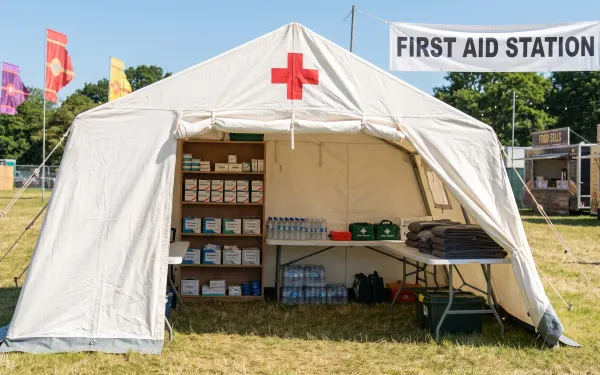
First Aid at Pride: How to Prepare Before You Go
Pride is a long, hot, crowded day. Most incidents stay minor — if organizers provide proper medical cover and attendees know when to ask for help. A practical guide to preparation, heat illness and dense crowds.
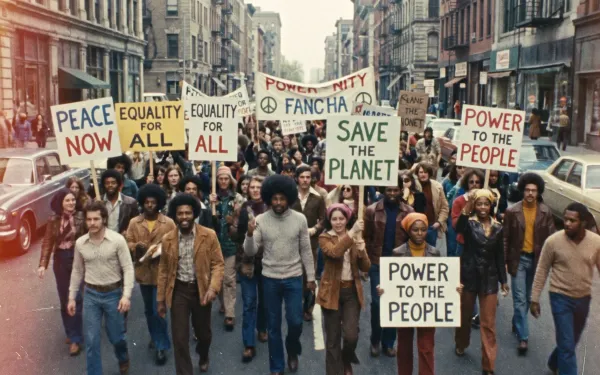
Christopher Street Liberation Day 1970: The March That Started Pride
One year after Stonewall, on June 28, 1970, a few thousand people walked up Sixth Avenue in New York behind a banner reading CHRISTOPHER STREET GAY LIBERATION DAY 1970. Here is how that first march became Pride.
Germany's First Pride (1979): From a Nervous March to a National Tradition
On June 30, 1979, about 450 people marched in Berlin for the first time on the anniversary of Stonewall. A look back at the start of Germany's Pride tradition, the fight against Paragraph 175 and the road to a mass demonstration.