
Katowice Pride 2026
Hotels around Katowice
Tap the map for prices and availability.
About Katowice Pride
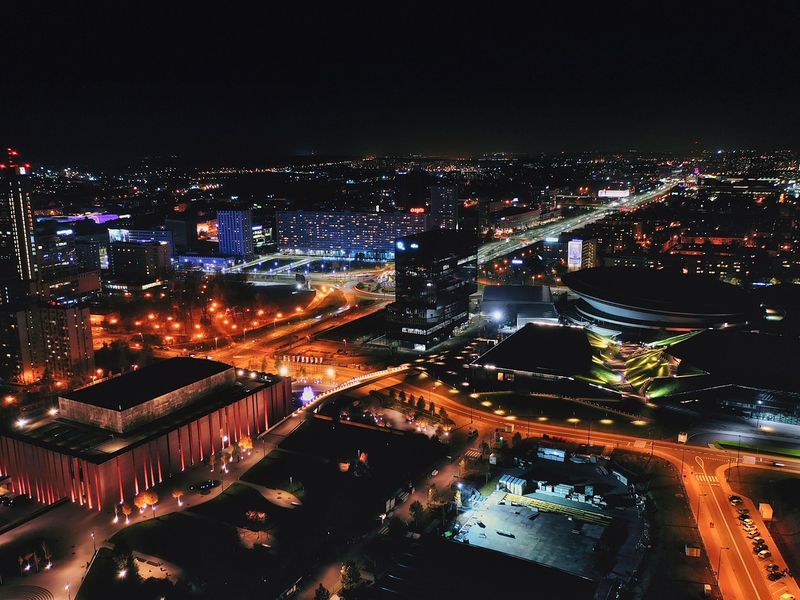
Katowice is the capital of the Silesia region and spent much of its history as a mining and heavy-industry city. That past has been reshaped into something else: old coal mines now house cultural venues, the Silesian Museum sits inside a former pit, and the city carries the UNESCO City of Music title.
The Equality March, organised by the Tęczówka association, winds through the city centre, starting and ending at Powstańców Śląskich Park. Before the march sets off, an Equality Village opens in the park with stalls from local organisations, crafts and information stands. The march then moves through several streets in the centre before returning to the park, usually followed by a concert.
Katowice has a longer queer history than its industrial reputation might suggest. Between the two world wars, Klub Meluzyna was one of the earliest known LGBT meeting places in Poland. Today's march builds on that history in a city widely seen as one of the more open urban centres in an otherwise conservative region.
Over the years, the march has grown from a small gathering into an event with several thousand participants. City officials and representatives from Katowice's partner city, Cologne, have repeatedly taken part publicly, giving the march extra backing from local politics.
About Katowice
Katowice has its own Pride: the Marsz Równości w Katowicach, the Katowice Equality March. It is organised by Stowarzyszenie Tęczówka, the city's LGBT+ association, which describes the march as the most important event in the equality calendar of Silesia. The march takes place in September and moves through the streets of the city centre. It is a demonstration for equal rights, safety and acceptance of lesbian, gay, bisexual, trans, intersex and queer people, and it is also meant as a celebration.
Its roots go back further than the association. The first equality march in Katowice was held in spring and was organised by activists from the Silesian group of Kampania Przeciw Homofobii, the national campaign against homophobia; Tęczówka later grew out of that group. After a long break, Tęczówka revived the march and moved it to September. Before and after the procession, initiatives, collectives and supporters gather, and in the evening there are afterparties in clubs in the city centre.
One distinctive feature is the twinning with Cologne. In several years the city of Cologne sent an official representative to the Katowice march, who also gave a speech there. Cologne explicitly linked these visits to strengthening contacts between human rights activists and improving cooperation between the two city administrations.
Anyone who wants to take part will find the date, the route and the volunteer sign-up on the Tęczówka website and on the katowicepride Instagram account. The association also sends out a dedicated newsletter about the march, and volunteers can sign up there to help organise the day.
Katowice Pride – frequently asked questions
Start and finish in the Powstancow Slaskich Park: Al. Rozdzienskiego, Rondo in the course of the Aleja Korfantego, Rynek/Sw. Jana, Kochanowskiego, Jagiellonska, Francuska, Warszawska, Szkolna, Moniuszki, Uniwersytecka, back to the park.


From the magazine
Harvey Milk and Proposition 6: The November 1978 Victory
In 1978 a California ballot measure would have forced queer teachers out of public schools. Harvey Milk fought it, and voters rejected it. What happened and what it has to do with Pride.
Brenda Howard and the Pride Week: Who Turned a Memorial March into a Tradition
After Stonewall, a march marked the anniversary in 1970, and later a whole week. Brenda Howard is named as one of the people behind it. What is documented and where the title Mother of Pride stays disputed.
Compton's Cafeteria 1966: The Uprising That Began Three Years Before Stonewall
In August 1966, trans women and drag queens in a San Francisco cafeteria fought back against police harassment. What is documented, what is not, and why the story came back so late.