
2027 date
The date has not been confirmed yet. Expected August 2027
You will find the date here as soon as it is confirmed. Already know it? Let us know.
Plauen Pride 2026
Plauen Pride programme
Hotels around Plauen
Tap the map for prices and availability.
About Plauen Pride
Pride in the Vogtland region is a fairly young event, now in its fifth edition, held in Plauen and organized by the Alliance for Democracy, Tolerance and Civic Courage in Vogtland. It starts with an opening rally at the upper train station, then the march heads through downtown to Malzhaus, where a family and street festival follows.
The Vogtland is a region with few places where queer people can meet each other, and with real resistance from parts of the local population. That is exactly why the event here works less as a party and more as a clear statement: visibility in a place where it isn't a given, and a signal to anyone who otherwise feels alone.
At Malzhaus, the afternoon program includes live music, information stands, and activities for families, put together partly with local youth initiatives. In the evening, the celebration moves on to Schuldenberg for a rooftop afterparty with a DJ and live music to close out the day.
The whole event is run by a volunteer alliance that works against discrimination and for civic courage in the region year-round, treating Pride as just one part of that broader work. Anyone who wants to get involved can reach the alliance directly to join the planning.
About Plauen
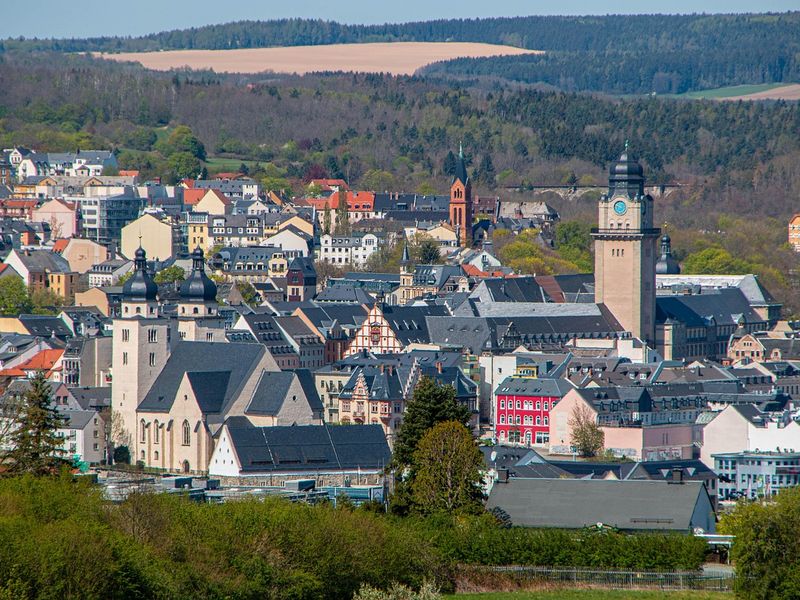
Plauen, nestled in Germany's Vogtland region, hosts vibrant Pride events that bring the LGBTQ+ community together in celebration of diversity and love. The annual Pride gathering on the Theaterplatz transforms the city center into a rainbow-filled zone with music, discussions, and stalls from local groups like the Kolorido Democracy Association, Jusos, SPD, and Greens. These alcohol-free events emphasize pride in all sexual orientations and gender identities, fostering a sense of belonging in a rural setting.
The local LGBTQ+ history reflects resilience amid challenges. Pioneering efforts have built a visible presence, starting with initial Pride parades that drew participants from nearby towns like Zwickau, Gera, and even Halle. Despite facing counter-protests from right-wing groups and online hate, the community persists, supported by police protection and activists such as drag performer Lara Liqueur, who highlight the need for queer role models in conservative areas.
For English-speaking visitors, Plauen's Pride stands out in the German context for its community-driven approach against rising right-wing pressures. Unlike urban spectacles in Berlin or Cologne, these events feel intimate and politically charged, addressing local issues like anti-extremism and acceptance. They showcase Germany's East-West dynamics, where rural queer visibility challenges stereotypes and promotes democracy.
Attendees enjoy performances, workshops, and networking that strengthen solidarity. Plauen's Pride inspires global travelers seeking authentic experiences, proving that love and acceptance thrive even in smaller cities. It's a testament to the ongoing fight for equality, inviting everyone to join the colorful movement.
Plauen Pride – frequently asked questions
From the upper train station through the city center to the Malzhaus Plauen
Nearby Prides
Leipzig Pride 2026
Dresden Pride 2026
Nuremberg Pride 2026
Prague Pride 2026
From the magazine
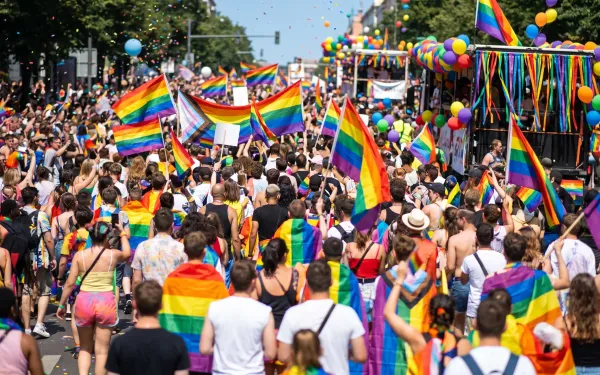
Germany's First Pride (1979): From a Nervous March to a National Tradition
On June 30, 1979, about 450 people marched in Berlin for the first time on the anniversary of Stonewall. A look back at the start of Germany's Pride tradition, the fight against Paragraph 175 and the road to a mass demonstration.
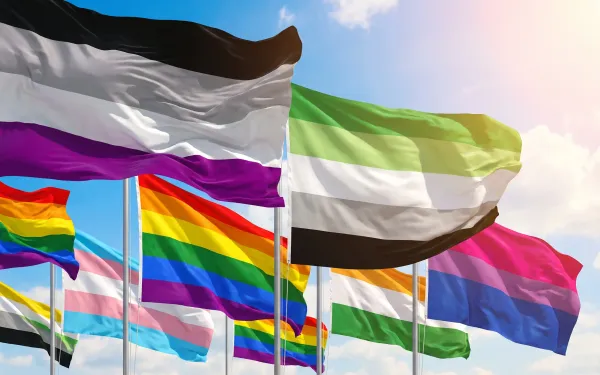
Asexual and Aromantic: What the A in LGBTQIA+ Actually Means
The A in LGBTQIA+ stands for asexual, aromantic and agender, not ally. What these orientations mean, where they differ, and why their visibility at Pride matters.

Pride Anthems: How These Songs Became the Soundtrack of Pride
"I Will Survive," "I'm Coming Out," "Born This Way" turn up at nearly every Pride event. The stories behind how these songs became anthems say a lot about the community that adopted them.