

2027 date
The date has not been confirmed yet. Expected July 2027
You will find the date here as soon as it is confirmed. Already know it? Let us know.
Hotels around Tuttlingen
Tap the map for prices and availability.
About Tuttlingen
Tuttlingen is not known for a large-scale Pride scene, but that is precisely what gives local Pride efforts their meaning. In a smaller German city, visibility often grows through community initiatives, regional gatherings, and inclusive spaces that help LGBTQ+ people connect with one another. Pride here is less about spectacle and more about making queer life present in everyday public space.
For English-speaking visitors, it helps to understand that Pride in Germany often combines celebration with activism. Parades and walks are typically paired with speeches, performances, and information stands, reflecting a strong tradition of civic engagement. In and around Tuttlingen, this kind of event may be organised through local associations, youth work, or collaborations with nearby towns, creating a networked rather than purely city-centre experience.
The local LGBTQ+ history of a place like Tuttlingen is often shaped by quiet resilience: people building community in private, then gradually creating more open visibility through social groups, cultural events, and supportive institutions. For travelers, that means Pride in Tuttlingen can feel intimate and authentic, offering a look at how queer life develops outside major urban hubs. It is a reminder that Pride is not only a parade in a big city, but also a local commitment to dignity, belonging, and everyday inclusion.
Tuttlingen Pride – frequently asked questions

Nearby Prides

Zurich Pride 2026

Stuttgart Pride 2026

Strasbourg Pride 2026

Karlsruhe Pride 2026
From the magazine
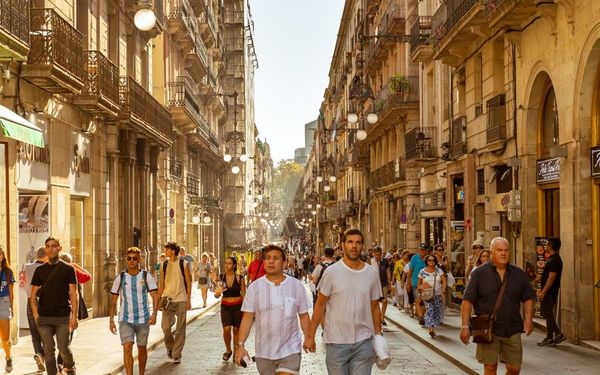
Barcelona 1977: Spain's First Pride March on La Rambla
On 26 June 1977, several thousand people marched without permission up La Rambla in Barcelona and demanded the end of a law that criminalised homosexuality. What happened and what came of it.
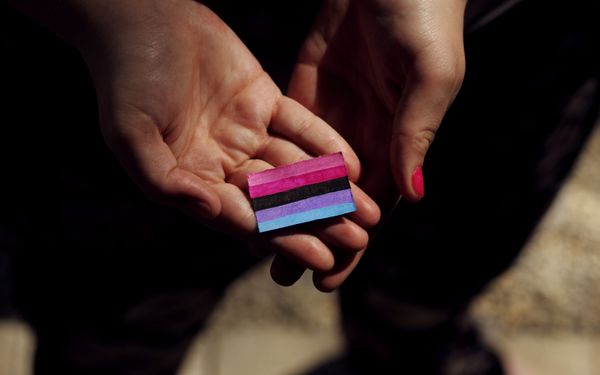
Bi Visibility Day and the Bi Flag: Where They Come From and What They Mean
23 September is Bi Visibility Day. Who started it, what the pink, purple and blue flag stands for, and how you can make bisexual people visible at Pride and in everyday life.
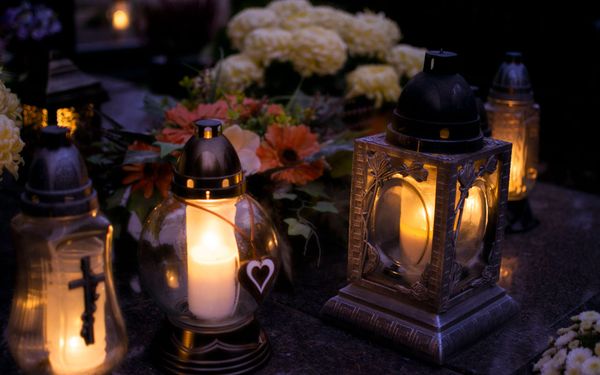
Transgender Day of Remembrance: Where It Comes From and How to Take Part
Every year around 20 November, vigils remember trans people who were killed. The origin of the day, the latest Trans Murder Monitoring figures and practical ways to take part (as of October 2026).