
2027 date
The date has not been confirmed yet. Expected June 2027
You will find the date here as soon as it is confirmed. Already know it? Let us know.
Hotels around Athen
Tap the map for prices and availability.
About Athens
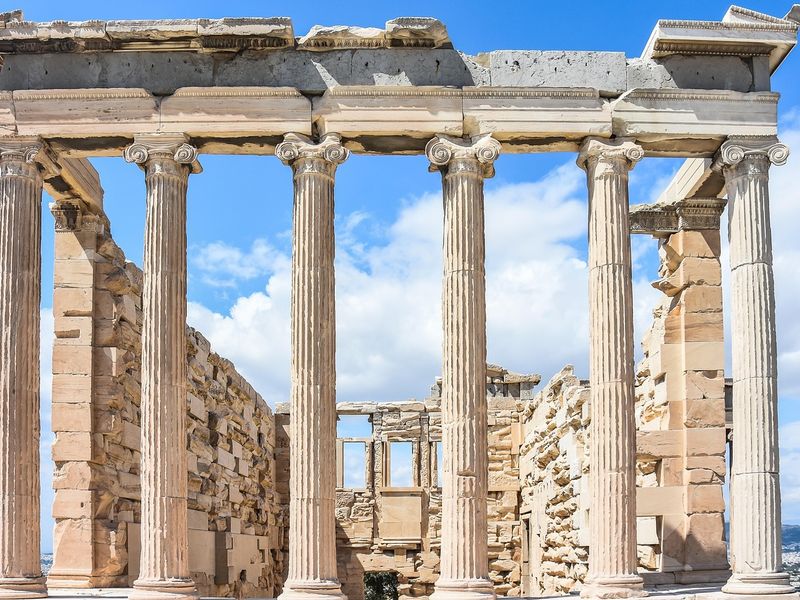
Athens Pride stands as a vibrant cornerstone of Greece's LGBTQ+ movement, drawing thousands to the streets of the capital each year. The parade weaves through the city's historic center, often culminating at central squares like Syntagma, right in front of the Parliament. This event is more than a celebration; it's a powerful assertion of visibility, equality, and human rights, with speeches highlighting needs for partnership recognition and anti-discrimination protections.
The local LGBTQ+ history in Athens reflects resilience against conservative influences, including the Orthodox Church's traditional values. Early protests paved the way for today's large-scale gatherings, transforming challenges into symbols of progress. Despite occasional opposition from fringe groups, the Pride has grown into a beacon of defiance and unity, fostering a sense of community in a city renowned for its democratic heritage.
For English-speaking visitors, Athens Pride offers unique appeal with its blend of ancient allure and modern activism. International participants, including those from Europe and beyond, join locals to amplify voices for global change. The event's political edge resonates with audiences familiar with similar movements worldwide, making it a must-visit for queer travelers seeking solidarity and festivity.
Beyond the march, Athens Pride features cultural programs, performances, and after-parties that showcase Greek hospitality and queer creativity. It's an invitation to immerse in a city where mythology meets contemporary liberation, creating unforgettable experiences for all who attend.
Athens Pride – frequently asked questions



From the magazine

Bringing a sign to Pride: Make your point without shutting others out
A Pride sign can make a demand visible without blocking other people out. Practical choices about wording, size, photography and shared space make it work better.
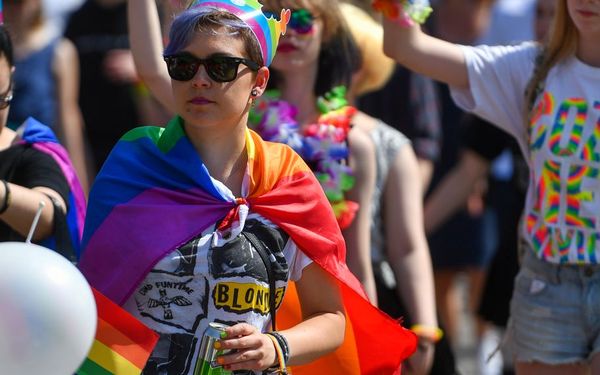
Queer and Seeking Refuge: Why Pride Is a Place of Arrival
For people who fled persecution because of who they are, Pride can be the first place where living openly feels safe. This guide covers the background, the support landscape and what organizers and fellow marchers can do to make the welcome real.
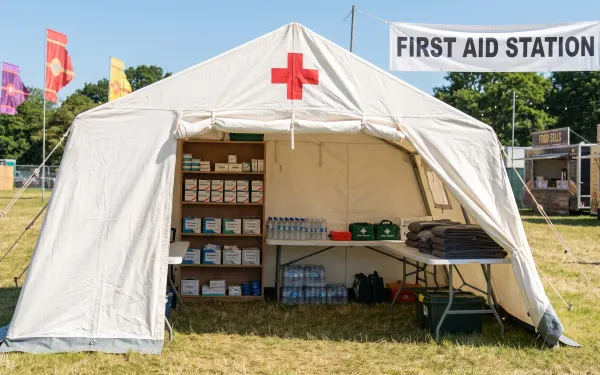
First Aid at Pride: How to Prepare Before You Go
Pride is a long, hot, crowded day. Most incidents stay minor — if organizers provide proper medical cover and attendees know when to ask for help. A practical guide to preparation, heat illness and dense crowds.