
2027 date
The date has not been confirmed yet. Expected July 2027
You will find the date here as soon as it is confirmed. Already know it? Let us know.
Hotels around Pompei
Tap the map for prices and availability.
About Pompei
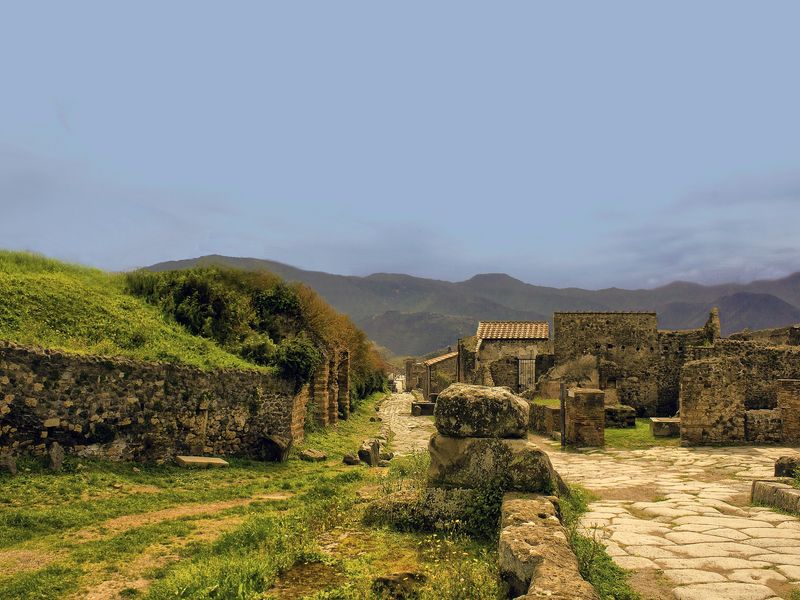
Pompei, nestled in Italy's Campania region amid ancient ruins, hosts a vibrant yet intimate LGBTQ+ community that thrives on resilience and celebration. Pride events here draw inspiration from nearby Naples' Campania Pride, a spectacular parade filled with music, dance, and colorful floats that unites locals and visitors in a powerful display of unity and joy.
The local queer history reflects Southern Italy's blend of tradition and progress. Community members often gather in discreet yet welcoming spaces, fostering bonds through storytelling and shared experiences. For English-speaking audiences, particularly from the US or UK, Pompei offers a unique contrast to urban Pride scenes like those in London or New York—here, the focus is on intimate gatherings that highlight personal narratives amid historical grandeur.
Activists champion visibility through art installations referencing Pompeii's past as metaphors for rebirth after adversity. Regular meetups in cafes or parks emphasize mental health support and allyship, creating safe havens. International influences enrich the scene, with expats introducing global perspectives on Pride, from rainbow flag designs to inclusive programming that welcomes all identities.
Pompei's Pride movement underscores acceptance in a culturally rich setting. Travelers appreciate the warm hospitality, where locals share homemade feasts during events. This fosters a sense of belonging, making it an ideal spot for those seeking authentic connections. The community's spirit shines through spontaneous street parties and online forums, keeping the momentum alive year-round.
Pompei Pride – frequently asked questions


Nearby Prides

Naples Pride 2026 / Napoli Pride 2026

Rome Pride 2026
From the magazine
Germany's First Pride (1979): From a Nervous March to a National Tradition
On June 30, 1979, about 450 people marched in Berlin for the first time on the anniversary of Stonewall. A look back at the start of Germany's Pride tradition, the fight against Paragraph 175 and the road to a mass demonstration.
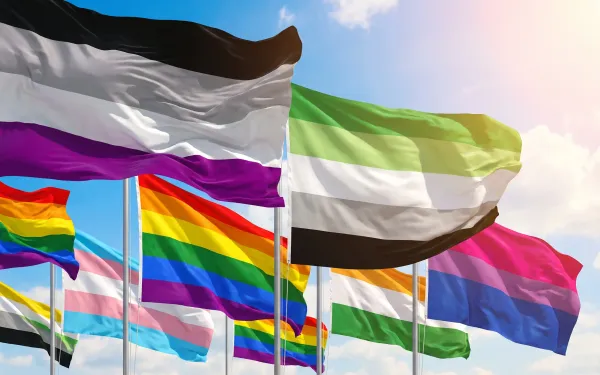
Asexual and Aromantic: What the A in LGBTQIA+ Actually Means
The A in LGBTQIA+ stands for asexual, aromantic and agender, not ally. What these orientations mean, where they differ, and why their visibility at Pride matters.

Pride Anthems: How These Songs Became the Soundtrack of Pride
"I Will Survive," "I'm Coming Out," "Born This Way" turn up at nearly every Pride event. The stories behind how these songs became anthems say a lot about the community that adopted them.