
2027 date
The date has not been confirmed yet. Expected June 2027
You will find the date here as soon as it is confirmed. Already know it? Let us know.
Hotels around Tokio
Tap the map for prices and availability.
About Tokyo
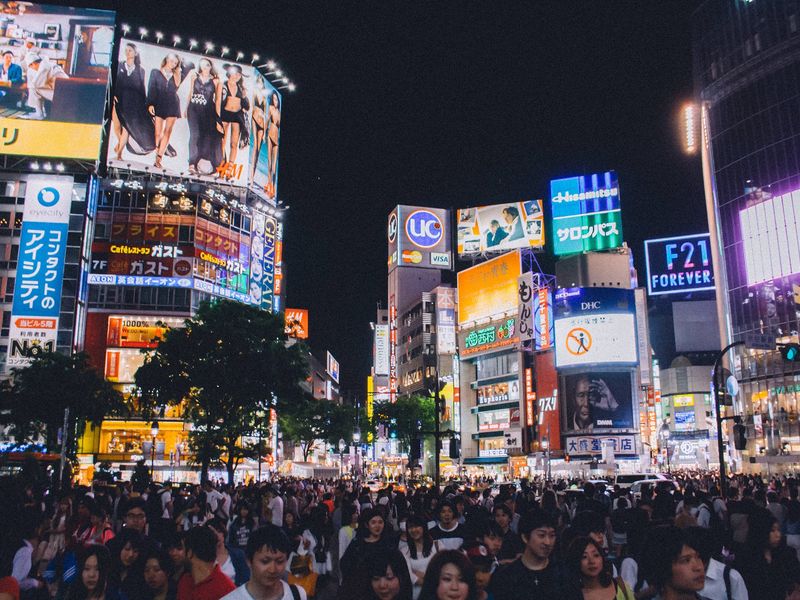
Tokyo Rainbow Pride stands as a vibrant celebration of LGBTQ+ diversity in Japan, drawing crowds to its colorful parades through iconic districts like Shibuya and Shinjuku. The event features lively marches filled with music, dance performances, and creative floats, highlighting themes of equality, acceptance, and visibility in a culture often marked by traditional norms.
The local LGBTQ+ history in Tokyo reflects resilience amid societal challenges. Early gatherings evolved from discreet private meetings into organized advocacy groups, pushing for greater rights despite legal gaps such as the absence of marriage equality. Activists have built a supportive network through film festivals, workshops, and community forums, fostering a sense of belonging and empowerment.
For English-speaking visitors, Tokyo's Pride offers unique insights into Japan's queer scene, blending Eastern hospitality with global influences. International participants, including those from English-speaking countries, contribute to the energy, sharing stories of progress and solidarity. The parade culminates weeks of events, from art exhibits to educational panels, addressing issues like family dynamics around coming out and transgender inclusion.
This annual spectacle not only celebrates love and identity but also raises awareness about ongoing struggles. Tokyo's Pride has grown into a beacon for the region, attracting global travelers who appreciate its safe, inclusive vibe. Whether joining the march or attending after-parties, visitors experience a fusion of Japanese innovation and queer spirit that leaves lasting impressions.
Tokyo Pride – frequently asked questions



Nearby Prides
From the magazine

Bringing a sign to Pride: Make your point without shutting others out
A Pride sign can make a demand visible without blocking other people out. Practical choices about wording, size, photography and shared space make it work better.
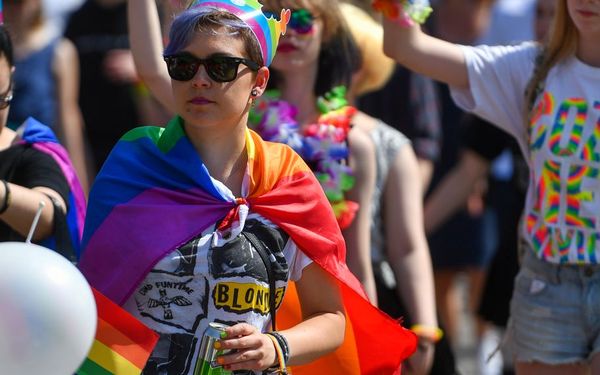
Queer and Seeking Refuge: Why Pride Is a Place of Arrival
For people who fled persecution because of who they are, Pride can be the first place where living openly feels safe. This guide covers the background, the support landscape and what organizers and fellow marchers can do to make the welcome real.
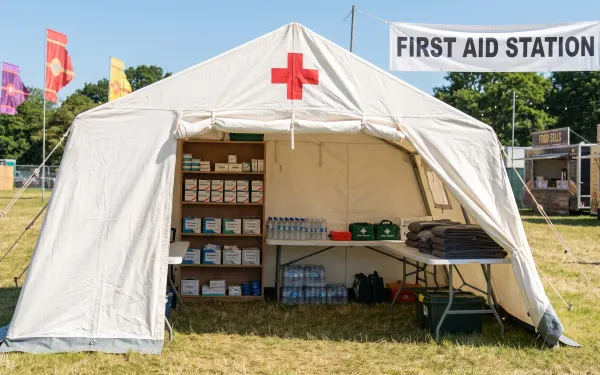
First Aid at Pride: How to Prepare Before You Go
Pride is a long, hot, crowded day. Most incidents stay minor — if organizers provide proper medical cover and attendees know when to ask for help. A practical guide to preparation, heat illness and dense crowds.