
May 2026
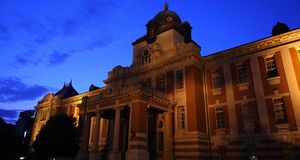
June 2026
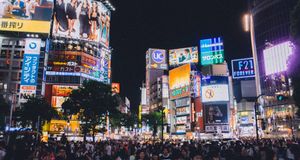
October 2026
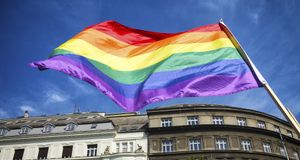
Kanazawa Pride 2026

Okayama Pride 2026

Osaka Pride 2026

Tsu Pride 2026
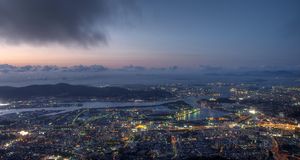
Fukuoka Pride 2026

Sendai Pride 2026
November 2026
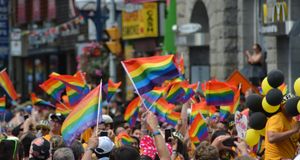
Fukushima Pride 2026

Kochi Pride 2026

Naha Pride 2026
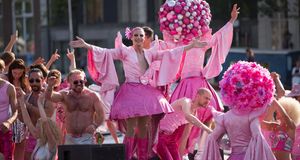
Hiroshima Pride 2026
Oita Pride 2026
December 2026
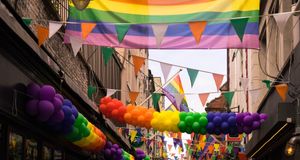
Matsuyama Pride 2026
Wakayama Pride 2026
The Pride movement in Japan draws inspiration from the 1969 Stonewall riots in New York, which sparked global LGBTQ+ activism. Japan's first Pride parade took place in Tokyo in 1994 as Tokyo Rainbow Pride, the oldest in the country. After a hiatus, it was revived in 2012 and now attracts tens of thousands, celebrating diversity while highlighting ongoing challenges faced by queer individuals.
Legal milestones include the absence of criminalization for same-sex relations, a progressive stance historically. However, until 2023, Japan lacked national anti-discrimination laws. That year, parliament passed the 'Act on Promotion of Understanding and Support for Sexual Orientation and Gender Identity,' a step forward criticized for lacking enforcement teeth. Same-sex marriage remains unrecognized despite court rulings urging change and public support nearing 70% in polls. Transgender people face hurdles like required sterilization for legal gender changes, drawing international scrutiny.
Major Pride events thrive in key cities: Tokyo Rainbow Pride in April or May features massive parades, corporate booths, and community workshops. Osaka Pride emphasizes grassroots activism with colorful marches. Nagoya and Sapporo host vibrant celebrations, fostering nationwide visibility. These events blend festivity with advocacy, attracting allies from Japan's youth and pop culture scenes, including cosplay and J-pop influences.
Today, the situation is cautiously optimistic. Visibility has surged via media and celebrity endorsements, but societal conservatism persists, especially outside urban areas. Activists push for marriage equality and better protections. For international observers, Japan's Prides offer a unique mix of politeness and passion, contrasting Western protests. Participation has grown exponentially, signaling a shift toward greater acceptance in this island nation.