
Hotels around Ciudad Juárez
Tap the map for prices and availability.
About Ciudad Juarez
Ciudad Juárez sits right on the US border in the state of Chihuahua, across from El Paso, Texas. With around 1.5 million people in the municipality, it is one of the largest cities in northern Mexico. Every June it hosts one of the biggest Pride marches in the north.
Its official name is the Marcha de las Diversidades Afectivo-Sexuales, and it has been organised for more than twenty years by local collectives and activists, among them the group Juárez Diverso. Marchers gather downtown, follow the main avenues through the centre and finish on the square in front of the Monumento a Benito Juárez. Organisers estimated recent turnout at over 30,000.
The march is a celebration, but above all a demonstration. Juárez has suffered from violence for a long time, and the community is calling for protection and recognition. Same-sex couples have been able to marry in Chihuahua for just over a decade, but on the basis of an order by the state government. Marriage equality has still not been written into the state civil code, and that is one of the march's key demands.
Afterwards, the crowd moves on to the city's bars and clubs, such as Club Olímpico on Avenida Lerdo or Club Ignamar on Calle Galeana, both downtown.
The date and route are announced shortly beforehand each year, and local media cover the march in detail.
From the magazine
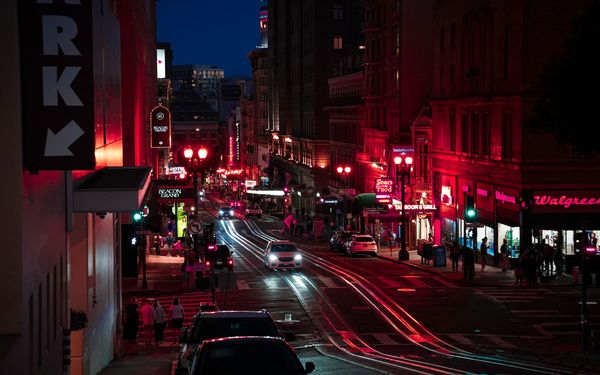
Compton's Cafeteria 1966: The Uprising That Began Three Years Before Stonewall
In August 1966, trans women and drag queens in a San Francisco cafeteria fought back against police harassment. What is documented, what is not, and why the story came back so late.
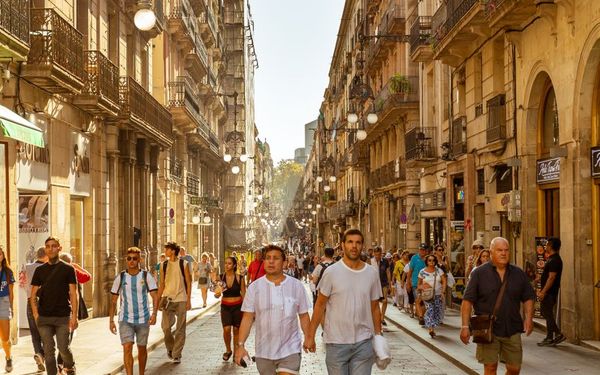
Barcelona 1977: Spain's First Pride March on La Rambla
On 26 June 1977, several thousand people marched without permission up La Rambla in Barcelona and demanded the end of a law that criminalised homosexuality. What happened and what came of it.
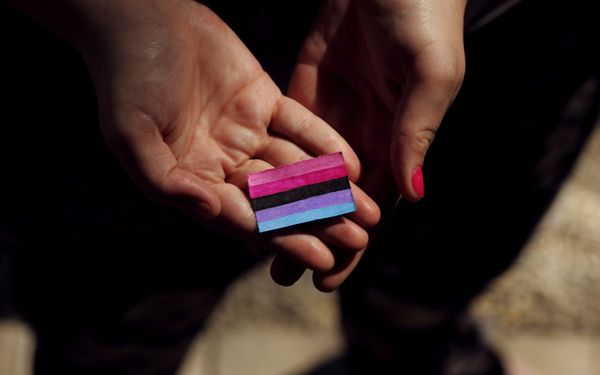
Bi Visibility Day and the Bi Flag: Where They Come From and What They Mean
23 September is Bi Visibility Day. Who started it, what the pink, purple and blue flag stands for, and how you can make bisexual people visible at Pride and in everyday life.