
Hotels around Jalapa Enríquez
Tap the map for prices and availability.
About Jalapa Enriquez
Xalapa, the capital of Veracruz state, has an active queer movement but no large Pride parade of its own documented in the press or travel guides. The community is most visible in June, around International LGBTIQ+ Pride Day.
One action in particular drew attention: collectives from the “Orgullo Xalapa” movement painted a downtown pedestrian crossing in rainbow colours overnight, supported by the city council and the municipal police. The official backing was picked up by media well beyond the region.
The Universidad Veracruzana plays an important part. At its Casa del Lago it hosts Pride Day events: a human library where people share their own stories, panel discussions on visibility and sexual diversity, and artistic performances.
The region’s main march takes place on the coast. Every June, thousands of people walk in Veracruz and Boca del Río from Bulevar Manuel Ávila Camacho to the Macroplaza. The march is both a celebration and a protest: against hate crimes, against so-called conversion therapy and against impunity, since Veracruz is one of the Mexican states with the highest levels of violence against queer people.
Visitors in Xalapa in June can combine the university’s events with a day trip to the march on the coast. The collectives mostly share current dates on social media.
Nearby Prides

From the magazine
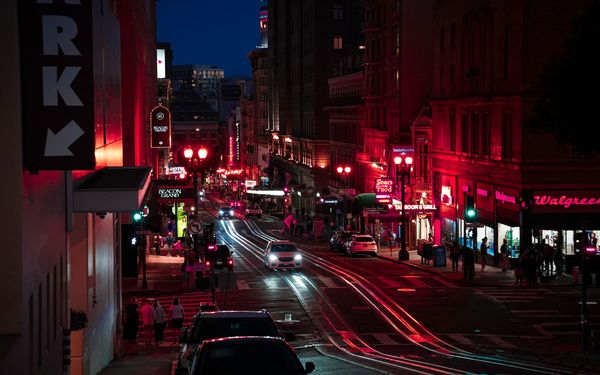
Compton's Cafeteria 1966: The Uprising That Began Three Years Before Stonewall
In August 1966, trans women and drag queens in a San Francisco cafeteria fought back against police harassment. What is documented, what is not, and why the story came back so late.
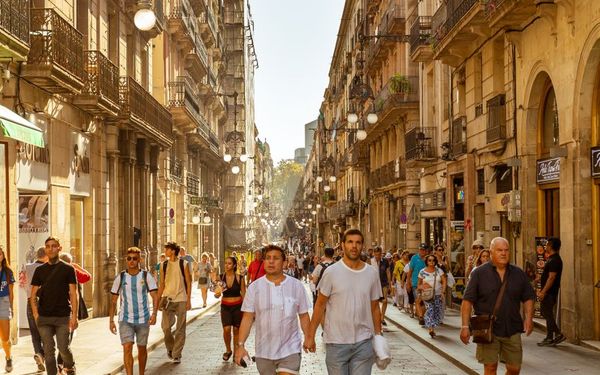
Barcelona 1977: Spain's First Pride March on La Rambla
On 26 June 1977, several thousand people marched without permission up La Rambla in Barcelona and demanded the end of a law that criminalised homosexuality. What happened and what came of it.
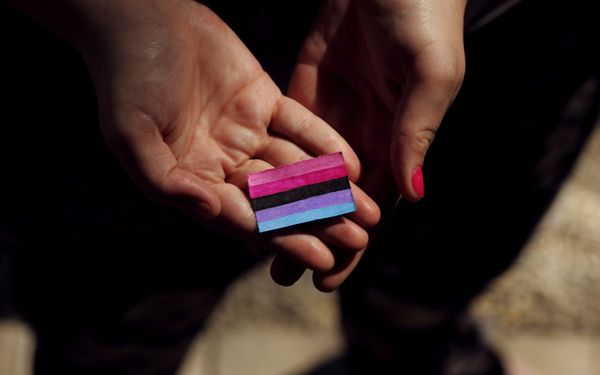
Bi Visibility Day and the Bi Flag: Where They Come From and What They Mean
23 September is Bi Visibility Day. Who started it, what the pink, purple and blue flag stands for, and how you can make bisexual people visible at Pride and in everyday life.