
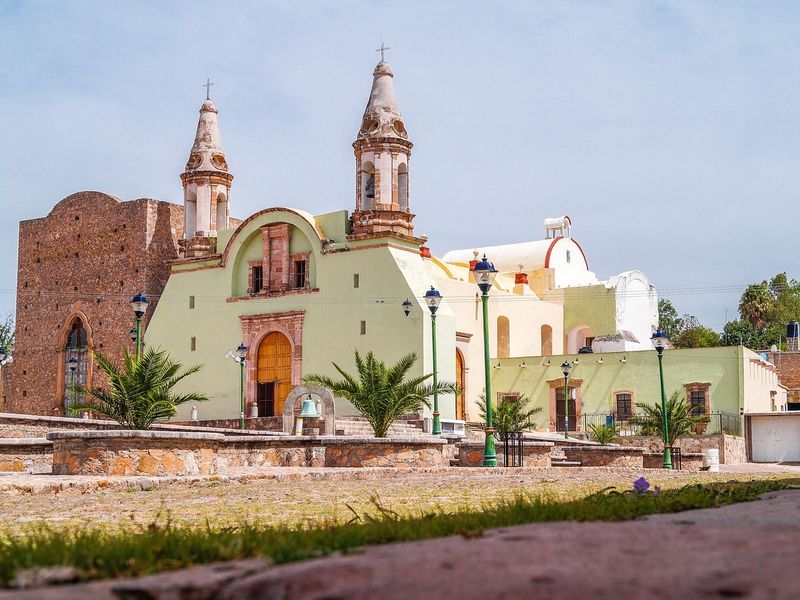
Hotels around San Luis Potosí
Tap the map for prices and availability.
About San Luis Potosi
San Luis Potosí, capital of the state of the same name in the highlands of central Mexico, has its own Pride tradition. The Marcha del Orgullo LGBT+ has been held in the city for more than fifteen years and recently reached its fifteenth edition. It is organized by a committee drawn from the local community and grassroots collectives rather than by the city. The committee sets the date and the route each year and announces them shortly beforehand through its own channels and the local press.
They asked the authorities to investigate and to guarantee the safety of everyone taking part, and they shared advice on what to keep in mind before, during and after the march. Visibility here still takes some courage.
At the same time, city policy has shifted. The city council passed a resolution that declares June the municipal LGBTIQ+ Pride Month, 28 June the municipal Pride Day, and 17 May a municipal day for equality and against discrimination based on sexual orientation and gender identity. The resolution names the march as one of the most important spaces of visibility for queer people in the capital. A dedicated municipal unit for LGBTIQ+ affairs draws up an annual programme and works with civil society groups. During Pride month, for example, it held an LGBTIQ+ market at the city hall where queer entrepreneurs and craftspeople sold their work.
The legal side has changed too. The state congress amended the family code, so same-sex couples can marry in San Luis Potosí without going to court first. The vote was close, and supporters and opponents both made themselves heard in the chamber.

Nearby Prides
From the magazine
Compton's Cafeteria 1966: The Uprising That Began Three Years Before Stonewall
In August 1966, trans women and drag queens in a San Francisco cafeteria fought back against police harassment. What is documented, what is not, and why the story came back so late.
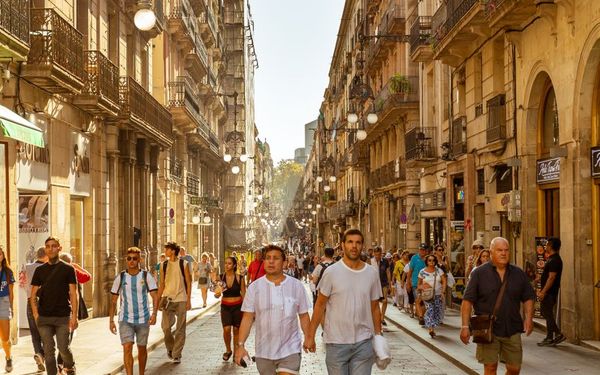
Barcelona 1977: Spain's First Pride March on La Rambla
On 26 June 1977, several thousand people marched without permission up La Rambla in Barcelona and demanded the end of a law that criminalised homosexuality. What happened and what came of it.
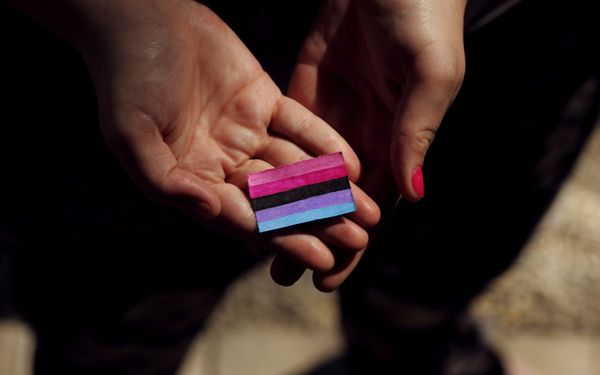
Bi Visibility Day and the Bi Flag: Where They Come From and What They Mean
23 September is Bi Visibility Day. Who started it, what the pink, purple and blue flag stands for, and how you can make bisexual people visible at Pride and in everyday life.