
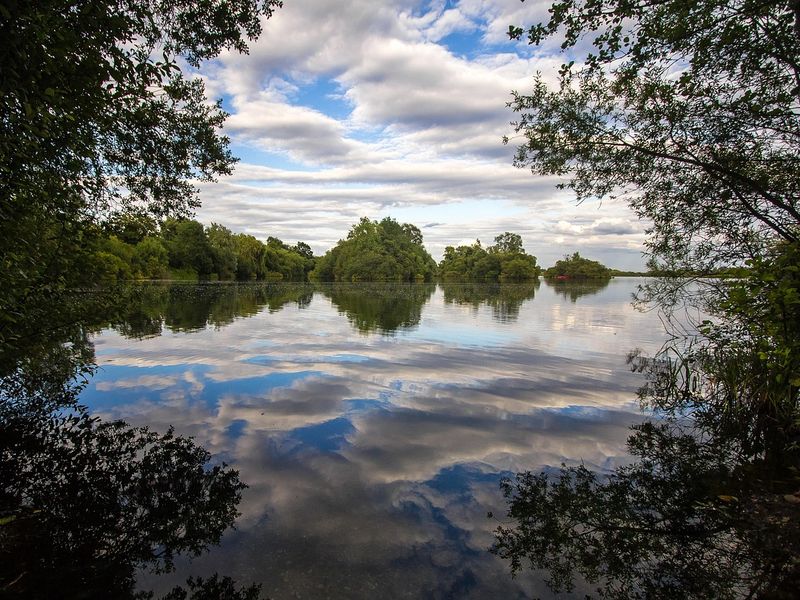
Reading Pride 2026
Reading Pride programme
Hotels around Reading
Tap the map for prices and availability.
About Reading Pride
Reading Pride is a volunteer-run charity with no fixed public funding, kept going by its own membership. It puts on a free Pride festival in the English county of Berkshire that has grown into one of the bigger fixtures in the Thames Valley region.
The day starts with a parade from the main entrance of Reading train station, opposite The Oakford Social Club. From there the route runs along Blagrave Street and Friar Street, past the so-called Rainbow Crossing, on to Broad Street and finishing at King's Meadow Park. That is where the festival itself kicks off as the parade arrives.
Several stages carry pop, reggae, grime, drag and choral acts, hosted by the charity's own resident hosts. Alongside that sits a dedicated space for local bands and artists, a dance tent, and a further stage built around colour and fire performances. A family area with discos, competitions and drag queen story time is aimed squarely at kids, while a health zone run with the national health service and an inclusive sports area round out the programme. Add funfair rides plus food, drink and market stalls, and the site fills up fast.
Reading itself is a university and commuter town west of London, without the large, long-established queer scene the capital has. King's Meadow Park, right on the Thames, gives the festival room to grow into something that pulls in visitors well beyond the town's own boundaries. Entry stays free throughout, paid for through sponsorship and the work of volunteer members.
About Reading
Reading Pride stands as a vibrant cornerstone of the LGBTQ+ scene in Reading, England, drawing crowds to King's Meadow for an annual parade and festival that celebrates diversity and unity. The event features live stages with performances, market stalls from community groups, a funfair, and family-friendly zones, creating an inclusive atmosphere for all. It serves as a vital platform for raising awareness on equality issues, fostering dialogue amid ongoing societal challenges.
The local LGBTQ+ community in Reading has built a rich history through grassroots efforts that evolved from intimate gatherings into a powerful force for visibility and support. The parade winds through the town center, embodying collective pride and resilience, while connecting queer individuals with allies across the Thames Valley region. Organizers prioritize keeping the event free through donations and sponsorships from inclusive businesses, ensuring accessibility for everyone.
For English-speaking visitors, Reading Pride offers a welcoming entry into the area's queer culture, with workshops on topics like trans rights and community building. It highlights the spirit of solidarity, much like broader UK Pride movements, and provides safe spaces for storytelling and connection. The festival underscores the importance of year-round advocacy, championing local charities and performers who sustain the community's vibrancy.
Attending Reading Pride means immersing in a day of joy, reflection, and activism. It invites participation in parades, entertainment, and outreach, reinforcing that love unites diverse voices in the pursuit of equality.
Reading Pride – frequently asked questions
Start at the Reading Station Main Entrance, continue via Blagrave Street and Friar Street (including the so-called "Rainbow Crossing") to Broad Street, destination is King's Meadow Park.
The festival site at King's Meadow Park is just a few minutes' walk from Reading train station, signposted via Forbury Road.
Nearby Prides
Birmingham Pride 2027

Nottingham Pride 2027

Swansea Pride 2027 / Swansea Pride Wales 2027
From the magazine
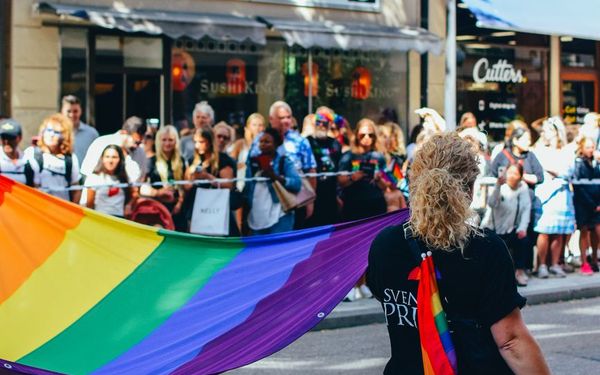
Brenda Howard and the Pride Week: Who Turned a Memorial March into a Tradition
After Stonewall, a march marked the anniversary in 1970, and later a whole week. Brenda Howard is named as one of the people behind it. What is documented and where the title Mother of Pride stays disputed.
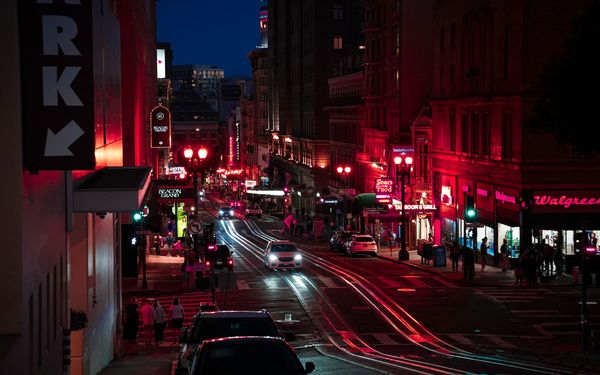
Compton's Cafeteria 1966: The Uprising That Began Three Years Before Stonewall
In August 1966, trans women and drag queens in a San Francisco cafeteria fought back against police harassment. What is documented, what is not, and why the story came back so late.
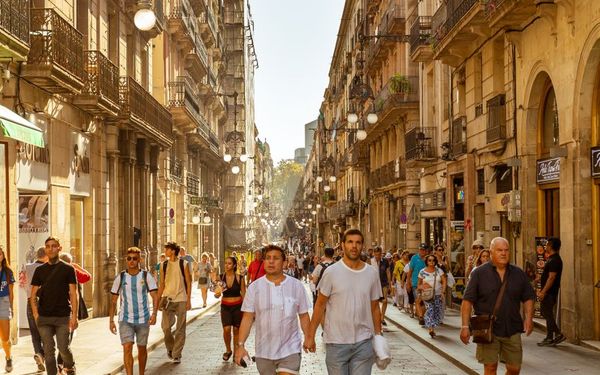
Barcelona 1977: Spain's First Pride March on La Rambla
On 26 June 1977, several thousand people marched without permission up La Rambla in Barcelona and demanded the end of a law that criminalised homosexuality. What happened and what came of it.