
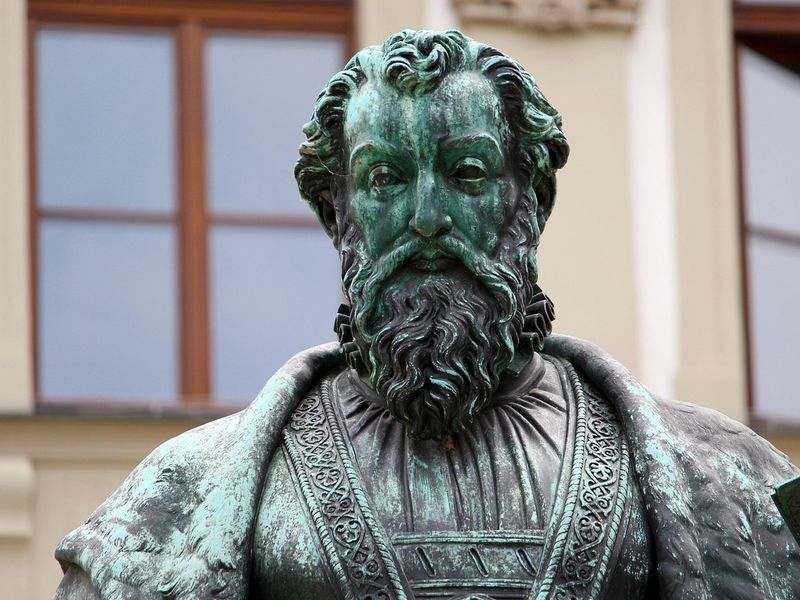
Augsburg Pride 2026
Hotels around Augsburg
Tap the map for prices and availability.
About Augsburg Pride
Augsburg Pride is the yearly Pride event held by the queer community in the Bavarian Swabia region. It is organized by the Augsburg Pride association, which runs both the march and the street festival that follows.
The march starts on Maximilianstrasse and moves through downtown Augsburg. It ends at Rathausplatz, where the celebration continues with a street festival. The festival includes a stage program put together by the local queer community, information stands run by associations and initiatives, and awareness and counseling services. A regular feature is the Queergarten, a dedicated area with its own bar that has become an established part of the festival. Several public transport stops line the route into downtown.
By attendance, Augsburg Pride ranks among the larger Pride events in Bavaria. As with most Pride marches in Germany, it is not only a celebration: speeches during the march address the legal and social situation of queer people and are aimed at both politicians and the wider public. Visitors also travel in from the wider Bavarian Swabia region, where comparably large Pride events are rare.
Augsburg sits on the rail line between Munich and Ulm and can be reached from either city in about half an hour. The city center, including Rathausplatz and Maximilianstrasse, is easy to explore on foot, which makes it simple for visitors from elsewhere to find their way to the event.
About Augsburg
Augsburg's Pride movement thrives with vibrant energy, driven by a dedicated LGBTQ+ community committed to visibility, acceptance, and equal rights. The annual Pride parade transforms the city's historic streets into a celebration of colors, music, dance, and creativity, drawing thousands to march in solidarity against discrimination. Beyond the main procession, the event features stage performances, workshops, and parties that highlight queer culture and foster community bonds.
The local LGBTQ+ history in Augsburg is rich and resilient. Early self-help groups and associations formed in discreet gathering spots, providing safe spaces for sharing experiences and building support networks. This foundational work evolved into a thriving scene today, supported by queer-friendly cafes, bars, and cultural initiatives. The university plays a key role, with students and academics hosting events and research on queer history, identity, and inclusion.
For an English-speaking audience, Augsburg's Pride stands out in Germany's landscape of progressive activism. It blends political demonstration—a core German tradition—with inclusive programming that welcomes all genders and orientations. Collaborations with local institutions like theaters and museums bring depth, through queer performances and exhibitions. Community efforts focus on education in schools and workplaces to challenge biases, making Augsburg a beacon of tolerance in Bavaria.
The welcoming, family-like atmosphere mixes locals with visitors from afar. Each event raises awareness of LGBTQ+ issues while joyfully embracing diversity. Visitors to Augsburg discover a movement that not only celebrates but actively advocates for a more equitable society, set against the city's stunning medieval backdrop.
Augsburg Pride – frequently asked questions
The city centre can be reached via several public transport stops along the route.


Nearby Prides
Stuttgart Pride 2027

Karlsruhe Pride 2027
Zurich Pride 2027
From the magazine
Harvey Milk and Proposition 6: The November 1978 Victory
In 1978 a California ballot measure would have forced queer teachers out of public schools. Harvey Milk fought it, and voters rejected it. What happened and what it has to do with Pride.
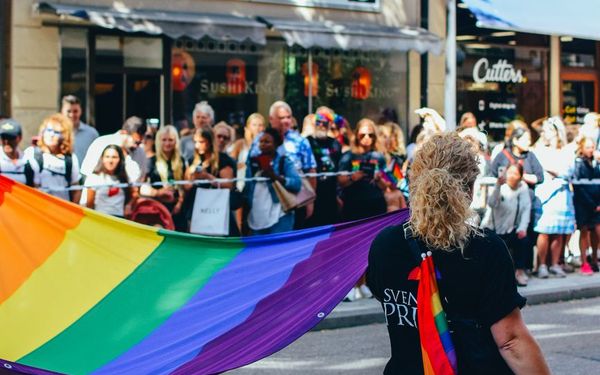
Brenda Howard and the Pride Week: Who Turned a Memorial March into a Tradition
After Stonewall, a march marked the anniversary in 1970, and later a whole week. Brenda Howard is named as one of the people behind it. What is documented and where the title Mother of Pride stays disputed.
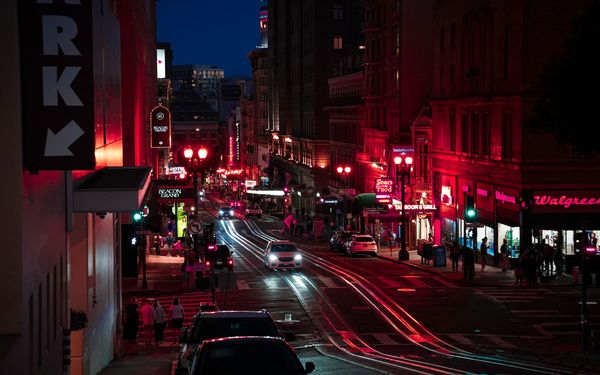
Compton's Cafeteria 1966: The Uprising That Began Three Years Before Stonewall
In August 1966, trans women and drag queens in a San Francisco cafeteria fought back against police harassment. What is documented, what is not, and why the story came back so late.