
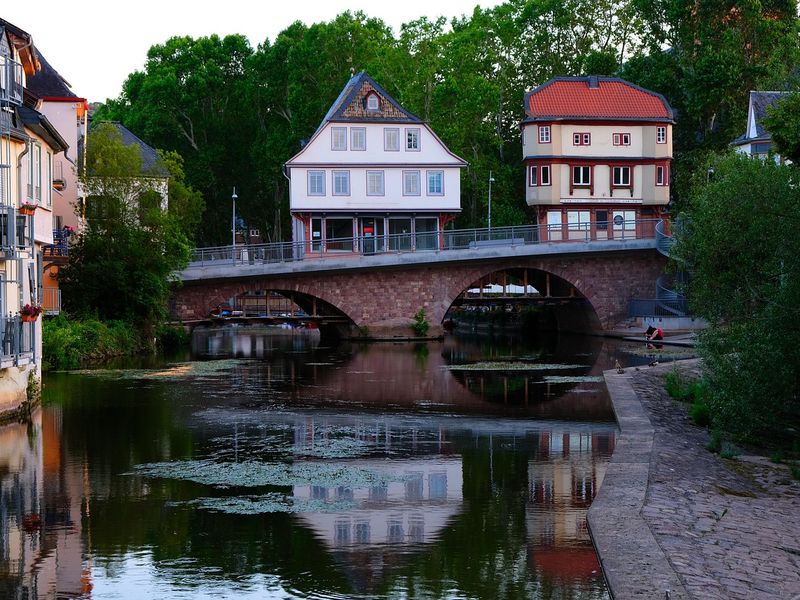
Hotels around Bad Kreuznach
Tap the map for prices and availability.
About Bad Kreuznach Pride
Bad Kreuznach's Pride is one of the smaller such events in Rhineland-Palatinate. Unlike big-city prides, it has no single fixed organiser. A coalition of local groups carries it instead – among them the city's youth services, a local queer meeting group, and the regional network QueerNet Rhineland-Palatinate. Church youth work and local democratic parties join in regularly as well.
The day follows a set pattern. The march starts at the square in front of the train station and moves through the old town. At its endpoint, a rally with speeches follows, along with information stalls, music, and a hosted stage programme. Some editions open with an ecumenical service, a sign that local churches back the event too.
Turnout sits in the low hundreds. For a town of around 50,000 residents, that is higher than what many comparable small-town prides in the region draw. Groups such as Amnesty International regularly call on people to join, as do local branches of the Green party.
Visitors won't find a big stage show with celebrities here, but a political demonstration followed by a community celebration. Volunteers handle registration, permits, and programming year after year, without pay. Criticism and occasional hostility from conservative and right-wing circles accompany the event, much as in many smaller towns – so far without major incidents.
Bad Kreuznach's Pride reflects a pattern common across rural regions: no large, established queer scene, but a dependable yearly date that makes queer life visible and brings together civil society, churches, and local politics.
About Bad Kreuznach
In Bad Kreuznach, a charming spa town in Germany's Rhineland-Palatinate, the Pride movement thrives through vibrant local events that celebrate LGBTQ+ visibility and rights. Pride gatherings here kick off with an inclusive ecumenical service emphasizing divine diversity, followed by a lively parade starting at the train station square. The march winds through the historic city center to the Pauluskirche, where speeches, music performances, and community stalls create space for dialogue on equality and queer experiences. Supported by a coalition of local groups, these events highlight solidarity and the normalization of queer life in the region.
The local LGBTQ+ community has built a strong presence, drawing inspiration from global milestones like the Stonewall uprising. Pride in Bad Kreuznach blends protest with celebration, showcasing Germany's unique approach where demonstrations evolve into festive affirmations of identity. Participants from surrounding areas join, fostering a sense of belonging and pushing for anti-discrimination policies. Non-binary icons and activists often lead the proceedings, amplifying voices and sharing stories of resilience.
For English-speaking visitors, these Prides offer an authentic glimpse into German queer culture—welcoming, politically charged, and community-driven. Stalls provide resources on local initiatives, while the parade's energy invites everyone to march for acceptance. Bad Kreuznach's events underscore the ongoing fight for rights, making it a welcoming spot for travelers seeking meaningful connections in a supportive environment.
Bad Kreuznach Pride – frequently asked questions
Nearby Prides
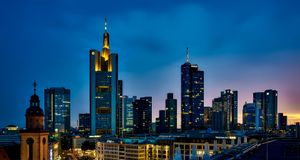
Frankfurt am Main Pride 2026
Cologne Pride 2026
Stuttgart Pride 2026
Dusseldorf Pride 2026
From the magazine
The Dyke March: The Story Behind the Parade That Never Asks Permission
Since 1993, Dyke Marches have run in cities worldwide without permits, sponsors, or floats. Here's how a march built by and for lesbians became one of Pride season's most enduring traditions.
Rainbow-Washing at Pride: How to Tell Real Support from Marketing
A rainbow logo in June says little about what a company does the other eleven months. Here's how to read corporate Pride sponsorship with a critical eye, and why that skill matters more since 2025.
Faith and Pride: How LGBTQ+ People of Faith Built Their Own Spaces
For more than fifty years, queer Christians, Muslims, and members of other faiths have built their own organizations and marched in their own blocs at Pride. A look at the history, from the first LGBTQ+-affirming church to a stall at Berlin Pride today.