
Hotels around Berlin Reinickendorf
Tap the map for prices and availability.
About Berlin Reinickendorf Pride
Reinickendorf, a large residential district in the north of Berlin, is home to a growing and increasingly visible queer community. For years, LGBTQIA+ people living here had to travel into the city centre to take part in a Pride march — Reinickendorf itself, with its high-rise estates and quiet residential streets, had never held one of its own. That changed when local activists decided the borough deserved a Pride celebration in its own right.
The driving force behind Reinickendorf Pride is Regenbogen Reinickendorf e.V., a volunteer-run association that has long supported queer people and their families in the northern boroughs of Berlin, offering counselling on coming out, protection against discrimination, and educational work in schools. Building on this everyday work, the association set out to bring a Pride parade to the neighbourhood it knows best.
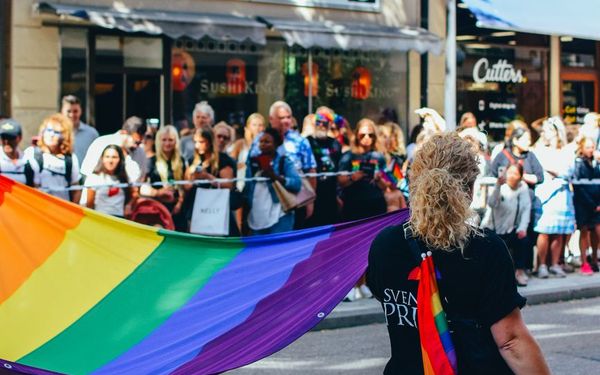
The march leads straight through Märkisches Viertel, the large post-war housing estate that gives Reinickendorf much of its character. Walking with rainbow flags between the tower blocks where tens of thousands of people live sends a clear message: queer life is not confined to well-known city-centre gay districts, it exists everywhere, including in outlying residential estates that are rarely associated with Pride marches.
That message is captured in the event's own motto, which translates roughly as "Pride knows no outskirts." It stands for equal rights, self-determination, visibility and safety — not as abstract ideals, but as everyday needs in the Kiez, the neighbourhood where people actually live, shop, and raise their families.
Reinickendorf Pride is a community-built event, organised entirely by volunteers and sustained by donations. It invites residents of Märkisches Viertel and beyond, allies, families and curious neighbours to join the celebration, meet the local queer community, and help make Reinickendorf a place where diversity is visible all year round, not just on the day of the march.
About Berlin Reinickendorf
Berlin-Reinickendorf, a vibrant district in northern Berlin, Germany, contributes to the city's renowned LGBTQ+ scene. Pride events draw residents into the larger Berlin Pride celebrations, featuring parades that fill the streets with color, music, and calls for equality. Participants from Reinickendorf join these gatherings to celebrate diversity and advocate for rights, making it a key part of the community's expression.
The local LGBTQ+ history in Reinickendorf reflects quiet resilience in a family-friendly area. Grassroots networks formed through private meetups and support groups, fostering solidarity amid challenges. This mirrors Berlin's broader queer heritage, emphasizing visibility and acceptance. For English-speaking visitors, Reinickendorf offers an authentic glimpse into suburban queer life, contrasting with the central nightlife while sharing the same spirit of openness.
Pride parades and local events in the district include neighborhood parties, art exhibits, and panel discussions that bridge queer experiences with everyday residents. Green spaces around Tegeler See provide serene backdrops for reflection during festivities. These activities highlight Germany's commitment to LGBTQ+ inclusion, with a focus on community building and anti-discrimination efforts.
Reinickendorf's Pride scene invites everyone to engage, from casual observers to active allies. It showcases how queer culture thrives beyond the city center, blending local charm with Berlin's progressive ethos. Whether marching in parades or attending intimate events, the district embodies empowerment and joy, appealing to travelers seeking genuine connections.
Berlin Reinickendorf Pride – frequently asked questions

Nearby Prides
Berlin Pride 2027
Leipzig Pride 2027
Dresden Pride 2027
Brunswick Pride 2027
From the magazine
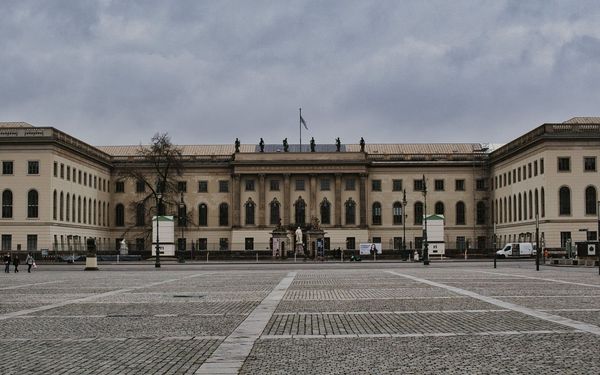
Magnus Hirschfeld and His Institute: What Was Lost on 6 May 1933
Long before Stonewall, Berlin had a place where homosexual people found advice and recognition. How the Institute for Sexual Science began and why it was destroyed in 1933.
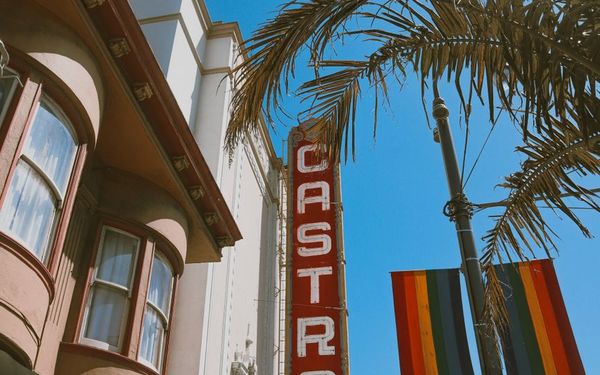
Harvey Milk and Proposition 6: The November 1978 Victory
In 1978 a California ballot measure would have forced queer teachers out of public schools. Harvey Milk fought it, and voters rejected it. What happened and what it has to do with Pride.
Brenda Howard and the Pride Week: Who Turned a Memorial March into a Tradition
After Stonewall, a march marked the anniversary in 1970, and later a whole week. Brenda Howard is named as one of the people behind it. What is documented and where the title Mother of Pride stays disputed.