
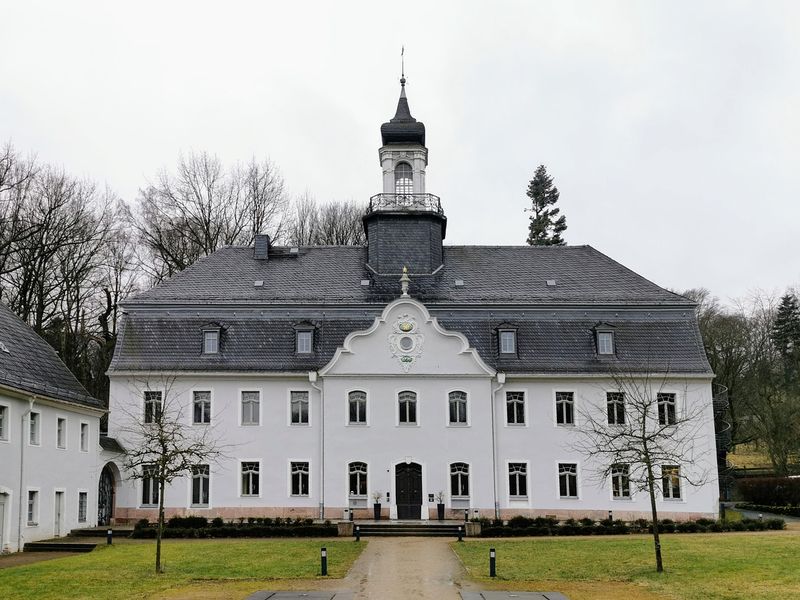
Hotels around Chemnitz
Tap the map for prices and availability.
About Chemnitz
Chemnitz hosts vibrant Pride events that draw crowds to celebrate diversity, visibility, and the rights of the LGBTQ+ community. These parades march through the city's streets, accompanied by concerts, workshops, and discussions that highlight inclusion and challenge discrimination. Local organizers emphasize community spirit, creating spaces where people connect and advocate for equality amid occasional pushback.
The LGBTQ+ history in Chemnitz is rooted in East Germany's unique path, where queer individuals found discreet gathering spots like church venues for parties and meetings, balancing secrecy with solidarity. Post-reunification, associations and counseling centers emerged as key hubs, continuing to support and unite the community. Memorials, such as stumbling stones honoring gay victims of Nazi persecution, serve as poignant reminders of past struggles and resilience.
For English-speaking visitors, Chemnitz offers a glimpse into Germany's eastern queer scene, blending historical reflection with contemporary creativity. Exhibitions on queer lives during the Nazi era and queer film screenings showcase untold stories and foster education. Centers like 'different people' provide counseling, group sessions, and events that build safety and belonging. The city surprises with its understated queerness, where locals note a growing presence of non-heterosexual individuals. Pride activities spark conversations on everyday biases and societal shifts, particularly resonant in former East Germany. These gatherings promote networking with national movements, making Chemnitz an authentic destination for those seeking genuine LGBTQ+ experiences beyond major metros. The focus on storytelling through art and dialogue underscores a commitment to progress and remembrance.
Chemnitz Pride – frequently asked questions

Nearby Prides
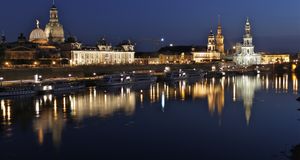
Dresden Pride 2027
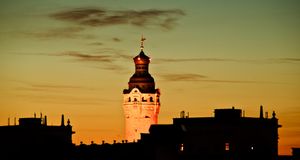
Leipzig Pride 2027
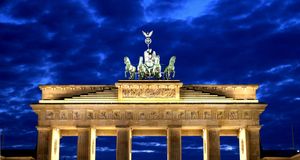
Berlin Pride 2027
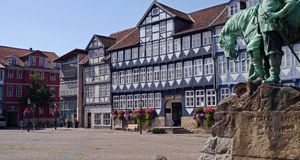
Brunswick Pride 2027
From the magazine
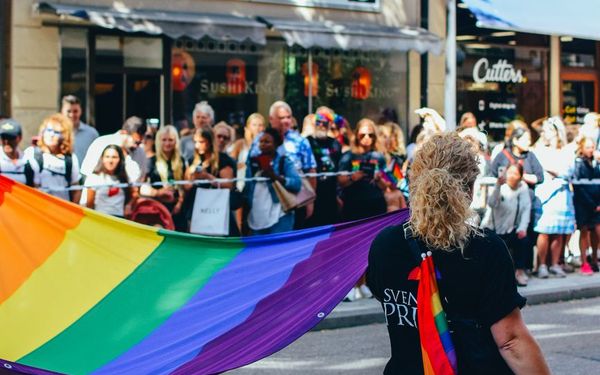
Brenda Howard and the Pride Week: Who Turned a Memorial March into a Tradition
After Stonewall, a march marked the anniversary in 1970, and later a whole week. Brenda Howard is named as one of the people behind it. What is documented and where the title Mother of Pride stays disputed.
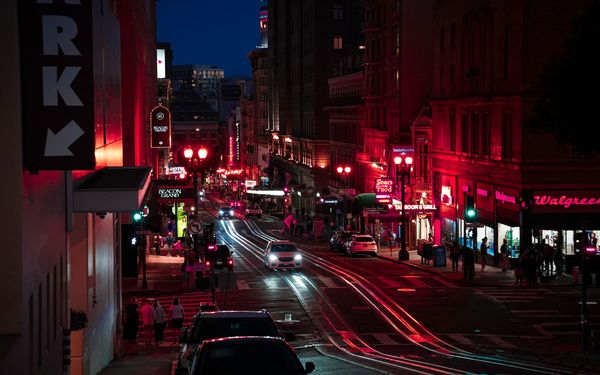
Compton's Cafeteria 1966: The Uprising That Began Three Years Before Stonewall
In August 1966, trans women and drag queens in a San Francisco cafeteria fought back against police harassment. What is documented, what is not, and why the story came back so late.
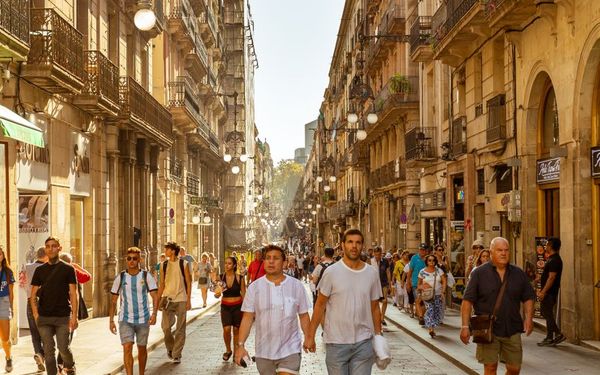
Barcelona 1977: Spain's First Pride March on La Rambla
On 26 June 1977, several thousand people marched without permission up La Rambla in Barcelona and demanded the end of a law that criminalised homosexuality. What happened and what came of it.