
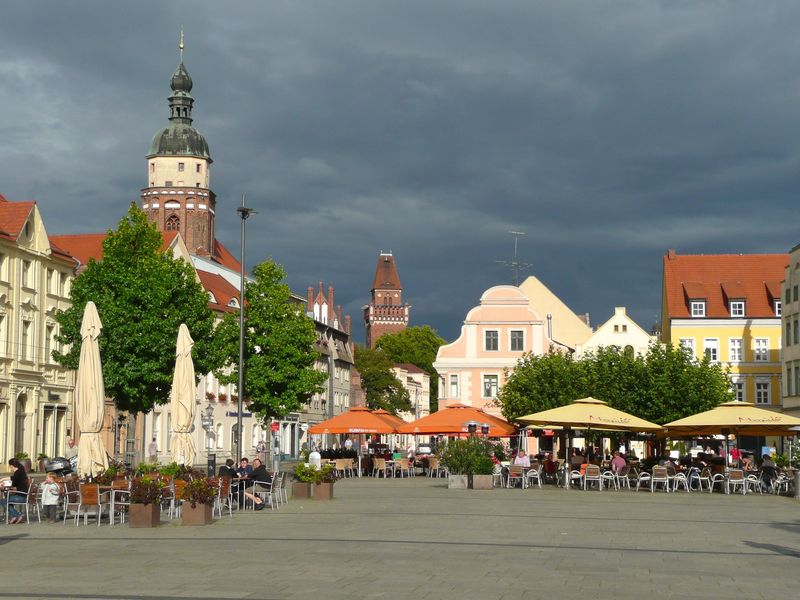
Cottbus Pride 2025
Cottbus Pride programmeRecap 2025
Hotels around Cottbus
Tap the map for prices and availability.
About Cottbus PrideRecap 2025
Pride in Cottbus is a demonstration for the equal rights of lesbian, gay, bisexual, trans and intersex people as well as other queer people in the Lower Lusatia region. It is organized by the association behind Cottbus Pride, based on Thierbacher Strasse and also known as Regenbogenkombinat Cottbus. The march starts at Berliner Platz next to the Stadthalle and moves via Altmarkt to the Oberkirche, then on to the central campus of the Brandenburg University of Technology and to Erich-Kästner-Platz by the Stadthaus. It ends at Glad-House, where the closing rally and a party take place.
Speakers from the local queer community and from regional institutions address the crowd at stops along the route. The march is part of several weeks of events including workshops, panel discussions and a flag raising that surround the demonstration itself. Rainbow flags are put up across the region for the occasion, on town halls, at clubs and in shop windows.
Pride in Cottbus takes place in a region where public visibility of queer life is not something to take for granted. Police accompany the march because counter protests have been registered in the past. Still, participants walk through the city center with music and large rainbow flags. The AIDS support group Aidshilfe Lausitz is present and supports the event. At the end of the march, Glad-House opens its doors for a closing party that runs late into the night, and a free shuttle bus later brings guests back to the main train station.
About Cottbus
Cottbus hosts vibrant Pride events that celebrate diversity and advocate for LGBTQ+ rights in eastern Germany. The annual Pride parade draws hundreds through the city streets, featuring rainbow flags, creative banners, and chants against fascism. Participants march under themes like unity in peace and diversity, stopping at key spots such as university campuses and public squares for speeches highlighting global queer solidarity. Drag performers lead the way, often with playful mascots, while a massive pride flag spans the road, symbolizing collective strength.
The local LGBTQ+ community has built a resilient presence amid challenges. Pride weeks feature educational workshops in schools and youth centers, dialogue events for parents, and cultural highlights like piano recitals and queer film screenings. Rainbow flags flutter at hundreds of locations across public buildings, social services, and shops, making queer visibility a community norm. Organizers counter vandalism and hate incidents with boosted security, support hotlines, and a 'Hydra approach'—replacing every damaged flag with more.
For English-speaking visitors, Cottbus Pride stands out for its blend of local flavor and international appeal. Speeches in multiple languages address queer struggles worldwide, from Eastern Europe to beyond, fostering a sense of shared resistance. Antifascist slogans and sorbisch-infused pride messages like 'Queer, sexy, sorbisch' reflect the region's unique cultural mix. Parades weave through historic areas, ending in festive gatherings near stadiums or parks. This movement not only commemorates queer history but pushes for expanded counseling centers, cultural hubs, and safe spaces. In a politically charged area, Pride in Cottbus embodies resilience, joy, and the fight for dignity, inviting all to join the colorful march toward acceptance.
Cottbus Pride – frequently asked questions
The demonstration starts on Berliner Platz at the Stadthalle Cottbus and leads via the Altmarkt to the Oberkirche, on to the central campus of the BTU (Brandenburg University of Technology), then to Erich-Kästner-Platz at the Stadthaus. The destination and end point is the Glad-House.
Free shuttle service between Glad-House and Cottbus Central Station, 18:30 to 01:30.


Nearby Prides
Dresden Pride 2027
Berlin Pride 2027
Leipzig Pride 2027
From the magazine
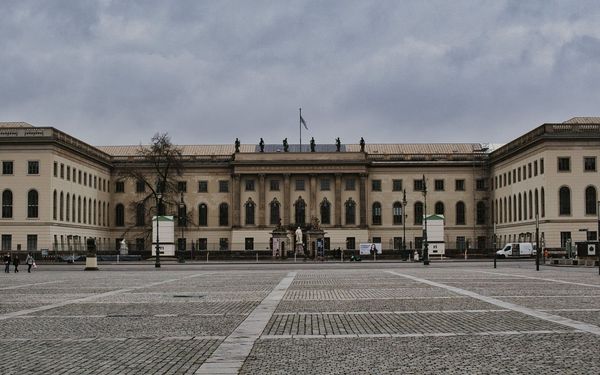
Magnus Hirschfeld and His Institute: What Was Lost on 6 May 1933
Long before Stonewall, Berlin had a place where homosexual people found advice and recognition. How the Institute for Sexual Science began and why it was destroyed in 1933.
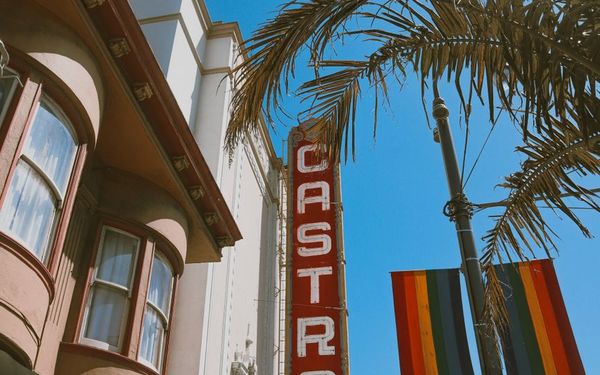
Harvey Milk and Proposition 6: The November 1978 Victory
In 1978 a California ballot measure would have forced queer teachers out of public schools. Harvey Milk fought it, and voters rejected it. What happened and what it has to do with Pride.
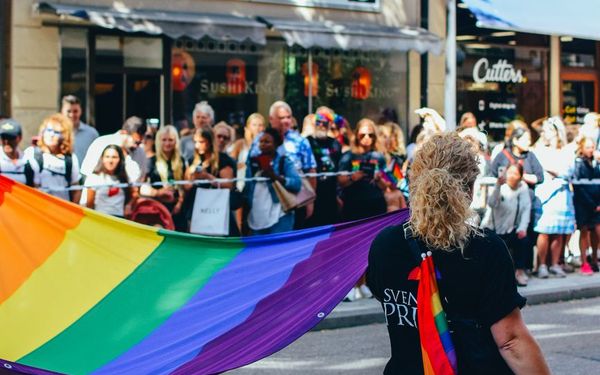
Brenda Howard and the Pride Week: Who Turned a Memorial March into a Tradition
After Stonewall, a march marked the anniversary in 1970, and later a whole week. Brenda Howard is named as one of the people behind it. What is documented and where the title Mother of Pride stays disputed.